
AI chatbot development for assistants that resolve requests
Our AI chatbot development services build support, sales, helpdesk and shopping assistants that answer from your own knowledge base, act inside your systems and hand over to a person, with full context, when they should stop.


Clutch 4.8/5 from 33 verified reviews
1,300+ clients in 45+ countries since 2012

AI systems in production
It left the warehouse on Monday and is with the courier now 1. The new delivery date is Thursday 2. Want me to email you the tracking link, or talk to someone on our team?
Trusted by teams at







- What is AI chatbot development?
- AI chatbot development is building conversational assistants on large language models that answer questions from your own content, take actions through your systems, and escalate to a human when confidence is low. A production chatbot needs retrieval grounding, tool integrations, guardrails, handoff rules and evaluation around the model and the chat window.
Related: RAG development powers the answers. Agentic AI powers the actions.
AI chatbot development services we deliver
Text and voice, customer-facing and internal, on the channels your users already use.
Customer support chatbots
Tier-1 support bots answer on web, in-app, WhatsApp, Slack, Teams, Messenger and SMS. Every answer comes from your help centre and ticket history, and hard cases go to your agents.
See RAG developmentVoice agents
We build AI voice agents that take inbound support calls, book appointments and replace IVR menus. They also place outbound reminders, and every call transcript lands in your CRM.
Sales and lead qualification bots
Sales bots engage visitors, work out what they need and qualify intent. Qualified leads get a meeting booked and go to the right rep, with the conversation logged in your CRM.
Internal employee copilots
Enterprise copilots answer HR policy, IT helpdesk, onboarding and finance questions behind SSO. Each employee sees only the content they are allowed to read.
Conversational shopping
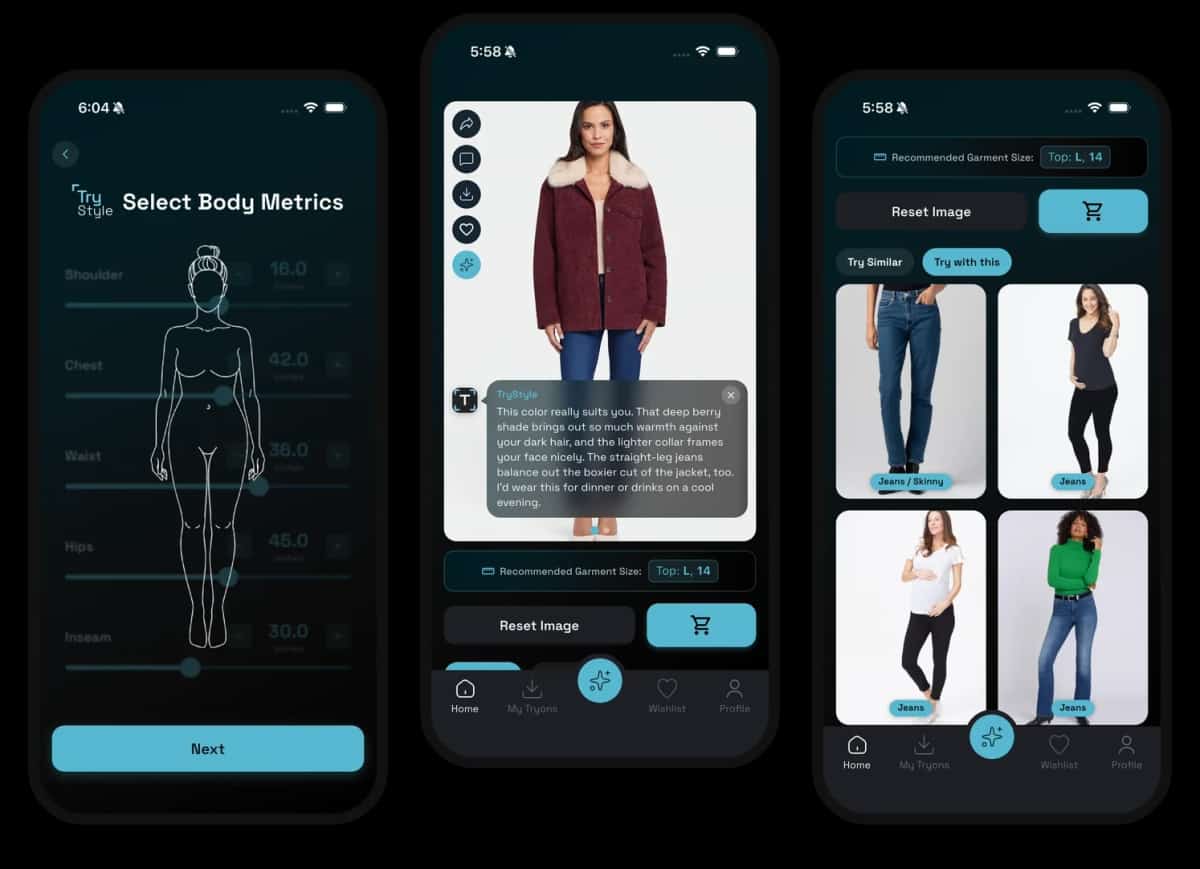
Shopping assistants help buyers find products, pick the right size and get answers after purchase. We build them on Shopify, Adobe Commerce or BigCommerce.
Patient-facing assistants
Patient assistants handle triage questions, appointment booking and post-visit follow-up. Patient data is kept isolated, and every conversation is logged for review.
Financial services assistants
Financial assistants answer banking service questions, claims status checks and policy queries. Every interaction is written to an audit trail your compliance team can review.
Embedded in-app copilots
We build assistants into your SaaS product that know what the user is doing and suggest the next step on the screen they are using.
Multilingual chatbots
One backend serves many languages, including code-switched speech such as Hinglish. You maintain a single bot and one knowledge base for every market.
Why most support chatbots frustrate customers
Most chatbots we are asked to fix were demos rushed into production. The failures are predictable, and each one has a design fix.
Nobody scoped what the bot owns
It tries to answer everything and does nothing well. We define what it handles, what it defers and what success means before building.
It answers from model memory
The model sounds confident and gets your policy wrong. Every factual answer is retrieved from your content and cited.
There is no way out
Frustrated users loop until they leave. Clear escalation triggers hand over to a person with the full conversation.
Nobody reads the conversations
New failure modes pile up unnoticed. Every conversation is traced and reviewed weekly, and fixes feed the eval set.
Send us 20 recent customer questions.
We will show you how a grounded assistant would answer them from your help centre, and which ones it should hand to a person.
Conversational AI patterns we implement
The design decisions behind a chatbot people keep using.
Confidence-routed answers
High-confidence answers go straight to the user. Mid-confidence answers get a verification step. Low confidence goes to a human.
One backend for voice and text
The same reasoning engine serves chat and calls. Channel adapters handle latency, formatting and turn-taking.
Sentiment-aware routing
Every message is scored for frustration, so the bot changes tone or escalates before the customer gives up.
Multi-channel continuity
A conversation started on web chat continues on WhatsApp the next day with the same history.
How we build a production AI chatbot
A focused single-channel chatbot starts with a 1 to 2 week discovery sprint that fixes the delivery schedule in writing. Our engineers build with AI coding agents, which shortens the build.
AI chatbot vs AI agent vs scripted bot
A chatbot holds conversations and answers questions, while an agent completes work across systems. Most production assistants combine both.
| Scripted bot | AI chatbot | AI agent | |
|---|---|---|---|
| Main job | Walk users through fixed menus | Hold a conversation and answer questions | Complete multi-step work across systems |
| Handles free text | Poorly | Yes, in many languages | Yes |
| Takes actions | Only pre-built flows | Bounded actions like lookups and bookings | Plans and runs actions toward a goal |
| Best for | Very simple, stable flows | Support, sales and internal Q&A | Back-office workflows behind the conversation |
| Where it falls short | Users hit dead ends | Needs grounding and handoff to be trusted | Needs approval gates and tracing |
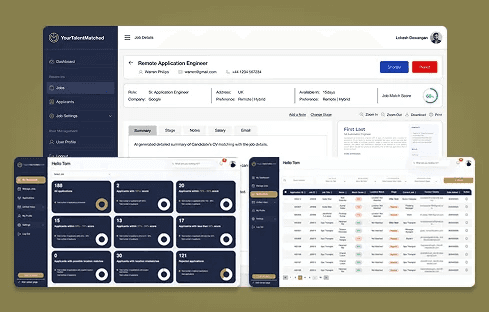
Talent Matched: AI candidate scoring and voice screening
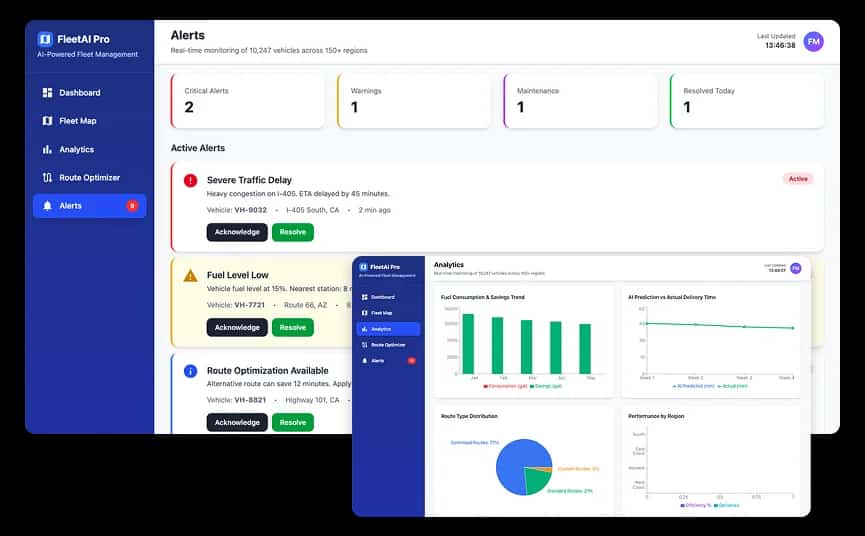
Talent Matched's recruiters work with Tallie, an assistant built into their ATS and TM Discover. They paste in a brief the way they'd describe the job to a coworker. Tallie answers with a ranked shortlist and says why each person is on it. Underneath is Talent Matched's own private LLM, which also listens to spoken screening answers and scores them.
Ranking and shortlisting time, per the client
One team, 14 years of shipping
projects shipped since 2012
AI systems running in production
clients across 45+ countries
years building software, since 2012
Guardrails that protect your customers and your brand
Production chatbots ship with input and output guardrails and a record of every conversation.
PII detection
Personal data is detected and masked before it reaches the model.
Prompt-injection and off-topic filters
Attempts to hijack the bot or drag it off-topic are caught.
SSO and role-based access
Internal copilots only show content each employee may see.
Audit trail
Every conversation, tool call and handoff is logged.
Chatbot channels and integrations
Plugged into the tools your team already runs, picked per project based on your channels, your help desk and your data rules.
Where chatbots handle high volume
High question volume, a strong knowledge base and a clear handoff path to people.
SaaS
- Support deflection
- In-product copilots
Banking and finance
- Customer service
- Mortgage application flows
Insurance
- Claims status
- First notice of loss intake
Healthcare
- Appointment booking
- Post-visit follow-up
Retail and eCommerce
- Sizing guidance
- Returns flows
Telecom and utilities
- Billing questions
- Outage notifications
Education
- Admissions questions
- Student services
Public sector
- Benefits Q&A
- Application status
AI chatbot development cost
A one-channel pilot starts at $5,999 and a multi-channel assistant at $14,999. Both follow a free discovery sprint.

Chatbot discovery sprint
1 to 2 weeks and free, ending in a written proposal with a fixed quote. Use-case audit, channel strategy, conversation design, MVP architecture and the business case.
Best for teams that want a plan before a build.

Pilot chatbot build
From $5,999, 4 to 6 weeks. One channel and one use case in production, with RAG, evals and observability.
Best for proving value on web support or WhatsApp lead qualification.

Multi-channel program
From $14,999. Web, in-app, messaging and voice run on one backend with shared analytics and governance, on a schedule we fix after discovery.
Best for scaling a pilot that works.
Rated 4.8/5 by the clients we build for
Verified reviews from Clutch and GoodFirms, and clients on camera.
33 verified reviews on Clutch
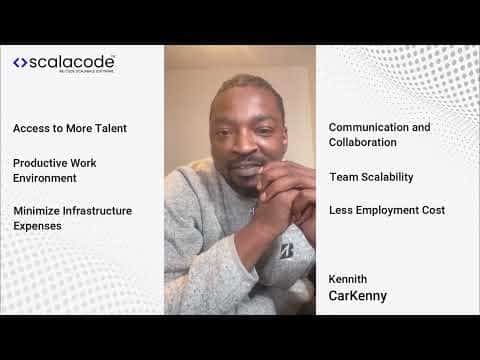
 Clutch review★★★★★
“What stood out to us as most impressive and unique about ScalaCode was their ability to humanize complex AI.”
Clutch review★★★★★“What I found impressive about ScalaCode was their ability to listen to the soul of an educational mission.”
Clutch review★★★★★“What sets ScalaCode apart is their technical AI expertise and an understanding of a client's organizational ethos.”
 GoodFirms review★★★★★
“They built a high-performance, AI-powered platform that transformed video engagement for learning.”
Clutch review★★★★★“They managed to balance technical skill with an understanding of the marketing world.”
Clutch review★★★★★“Their team often proposed innovative features we hadn't considered.”
Clutch review★★★★★“They didn't just build an algorithm; they built a tool that respects the nuances of Indigenous reconciliation.”
AI chatbot development FAQs
We will answer anything not covered here on the call.
How much does AI chatbot development cost?
A one-channel AI chatbot pilot starts at $5,999 and takes 4 to 6 weeks. A multi-channel assistant across web, messaging and voice starts at $14,999, with its schedule set in discovery. Both follow a free discovery sprint.
How long does it take to build an AI chatbot?
A single-channel pilot takes 4 to 6 weeks to build, after a 1 to 2 week discovery sprint that covers conversation design. The pilot includes a week in shadow mode. The schedule for a multi-channel or voice assistant is fixed in writing during discovery, and our engineers use AI coding agents to ship it faster.
Which channels can the chatbot run on?
Web widget, in-app, WhatsApp, Slack, Microsoft Teams, Messenger and SMS, plus voice through Twilio and realtime speech models. One backend serves every channel, so a conversation started on web chat can continue on WhatsApp with the same history. WhatsApp booking support is a common use in travel and hospitality.
How does the chatbot hand a conversation to a human?
Explicit triggers decide when to hand over, such as low confidence, a frustrated customer, a regulated topic or a direct request for a person. The agent in Zendesk, Intercom or your help desk receives the full transcript, the customer record and a suggested next step, so the customer does not have to repeat anything.
Can the chatbot answer from our help center and product docs?
Yes. We index your help center, product docs, policies and past tickets with retrieval-augmented generation (RAG), and every factual answer cites the article it came from. The index stays in sync as articles change, so answers follow your latest content.
How do you keep chatbot answers accurate?
Answers are retrieved from your knowledge base and cited, and low-confidence answers go to a verification step or a person. Output guardrails check every response, and golden conversations run on every change. Frustrated users and regulated topics escalate automatically.
Should we build a custom chatbot or use a platform?
Use the AI features built into your help desk when questions are simple and your help center is the only source. Build custom when the bot must act inside your systems, follow your compliance rules, run on several channels or keep data in your own cloud. We will tell you on the call which one fits your volume and stack. To run it yourselves, you can hire chatbot developers to join your team.
How are voice agents different from text chatbots?
Voice needs much lower latency, streaming responses, interruption handling, turn-taking and telephony integration with Twilio, Vonage or Plivo. We scope and build voice as a separate system with its own architecture. To staff it yourselves, you can hire AI voice engineers.
Can a chatbot run on-premises?
Yes. For regulated or air-gapped environments we deploy open models on your infrastructure with vLLM, Ollama, NVIDIA NIM or Triton, with retrieval on a local vector store.
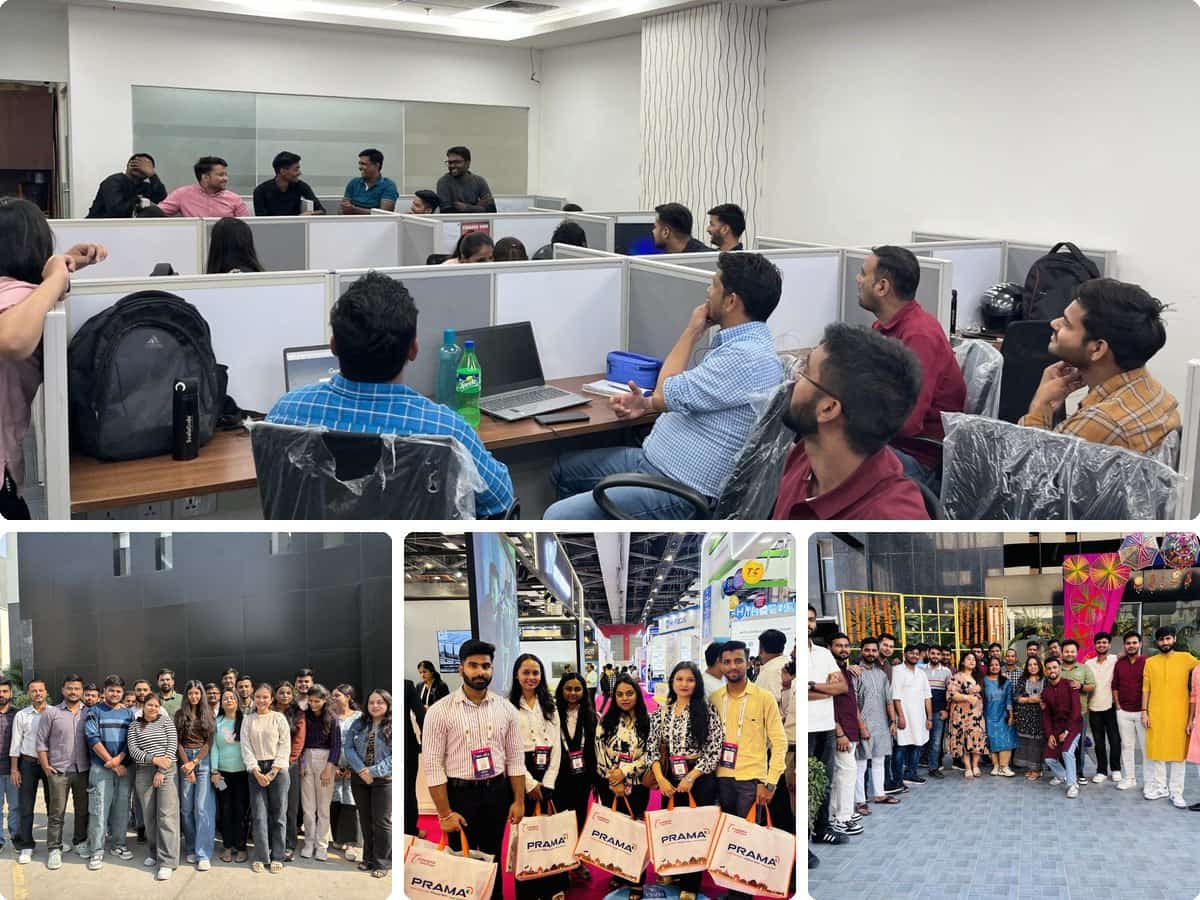
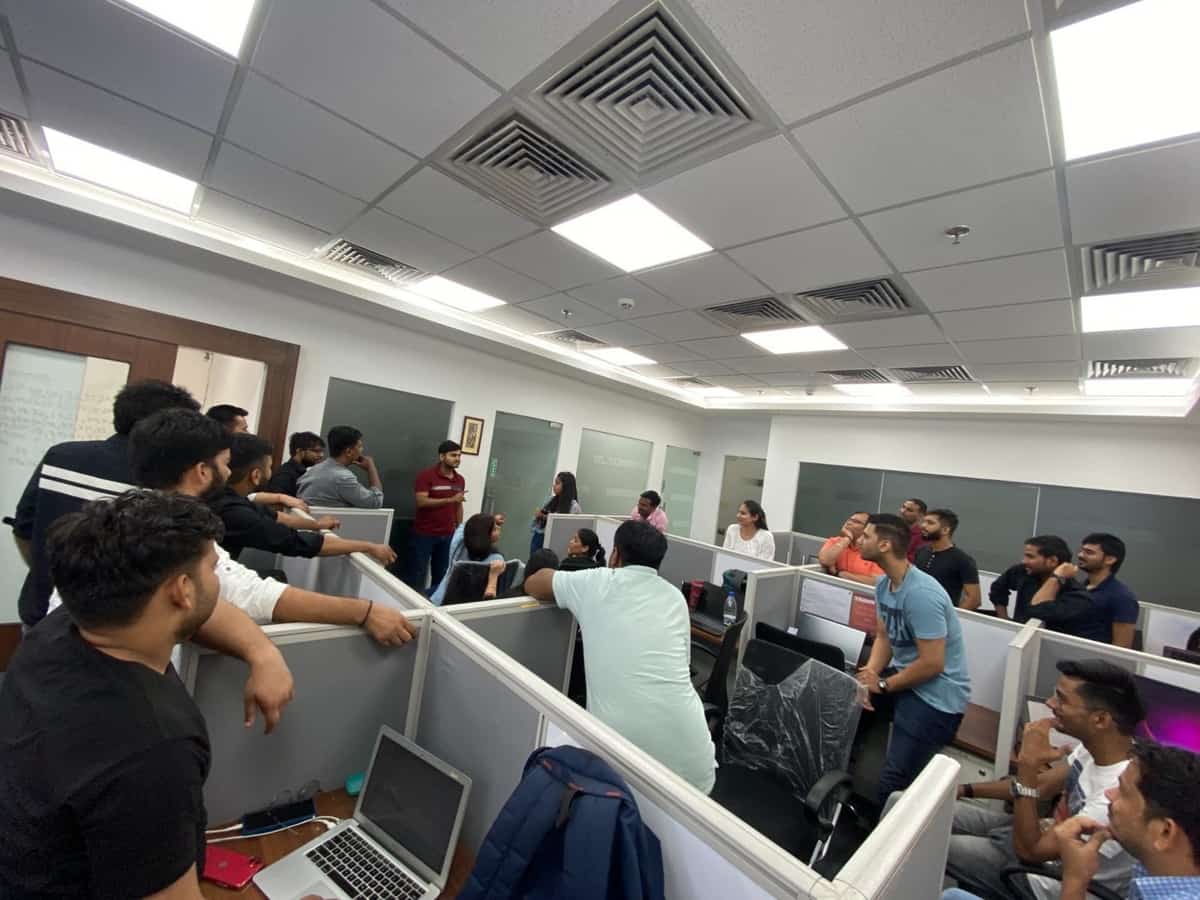
One team, matched to your working hours
We schedule 4 to 6 hours of daily overlap with US time and a full working day with the UK and Europe, so reviews, demos and fixes happen during your working hours.
What stood out to us as most impressive and unique about ScalaCode was their ability to humanize complex AI.
A chatbot your customers come back to
- 30 minutes with the ScalaCode team
- Which questions a bot should answer, and which it should hand off
- What is realistic, what it costs and how long it takes

“Their approach, dedication and project execution played a critical role in TipStars' success.”
James Ellis, Founder, TipStars