
SaaS development for teams that plan to be renewed
ScalaCode's SaaS development team designs multi-tenant architecture, subscription billing and enterprise identity together, on one codebase and one data model. We take B2B products from v1 to well past their first hundred customers.
from contract to engineers in your repo
per sprint, with a demo at the end of each
shipping software since 2012
projects shipped since 2012
on Clutch, from 33 verified reviews
9001:2015 certified delivery process
Trusted by teams at








Clutch 4.8/533 verified client reviews

GoodFirmsReviewed software partner
ISO 9001:2015Certified delivery process
GDPR compliantData handled under EU rules
What SaaS development covers
Tenancy, billing and identity sit underneath the product features and decide whether a SaaS scales.
- What is SaaS development?
- SaaS development is the engineering of software sold as a subscription and run by the vendor for many customers at once. Beyond product features, it covers multi-tenant data isolation, subscription billing, identity and single sign-on, admin tooling and the integrations enterprise buyers expect before they sign.
Related: web application development and custom software development.
SaaS products we build, from the platform layer up
The components every SaaS needs, built early so you avoid a rebuild at customer 200.
Multi-tenant architecture
Database per tenant for compliance-heavy customers, shared schema with row-level security for cost, or a hybrid. Migration paths between models are built in from the start.
Subscription billing
We set up Stripe Billing, Paddle, Chargebee or Maxio. Trials, upgrades, dunning, proration, tax and revenue recognition then feed NetSuite, QuickBooks or Xero.
Identity, RBAC and SSO
Auth0, Clerk, WorkOS or custom OIDC. SAML SSO for enterprise deals, SCIM provisioning for IT teams and audit logs procurement will accept.
Admin and internal tooling
Customer success dashboards, support tools, usage analytics and feature flags, so ops teams act without filing an engineering ticket.
See custom software developmentPartner integration layer
We build public APIs, webhooks, SDK generation and OAuth for partner apps, plus a marketplace UI where customers install integrations.
Onboarding flows
Sign-up, workspace setup, invites and first-run guidance, the part of the product that decides whether a trial converts.
Observability
Logs, traces and alerts per tenant, so you learn what is breaking before your customers open a ticket.
Modernisation and replatforming
Monolith to services, on-prem to cloud, or a tenancy model refactor, delivered in phases while the product stays live.
See cloud and DevOpsNot sure which tenancy model you need?
Bring your customer mix. We will tell you where shared schema is enough and where a database per tenant will save the enterprise deal.
Multi-tenant SaaS architecture decisions that affect renewals
We match the isolation model to your customer mix, from high-volume self-serve to regulated enterprise accounts.
Shared schema with row-level security
Every tenant in one schema, isolated by policy in the database. Lowest cost per tenant, the usual fit for high-volume B2B and B2C.
Schema per tenant
One database holds a schema for each customer. You get cleaner isolation and per-tenant backups without running hundreds of databases.
Database per tenant
A dedicated database for customers whose security review demands it. Higher cost, and the simplest answer to data residency questions.
Hybrid tenancy
Shared infrastructure for the long tail and dedicated databases for enterprise accounts, with a tested path to move a tenant between tiers.
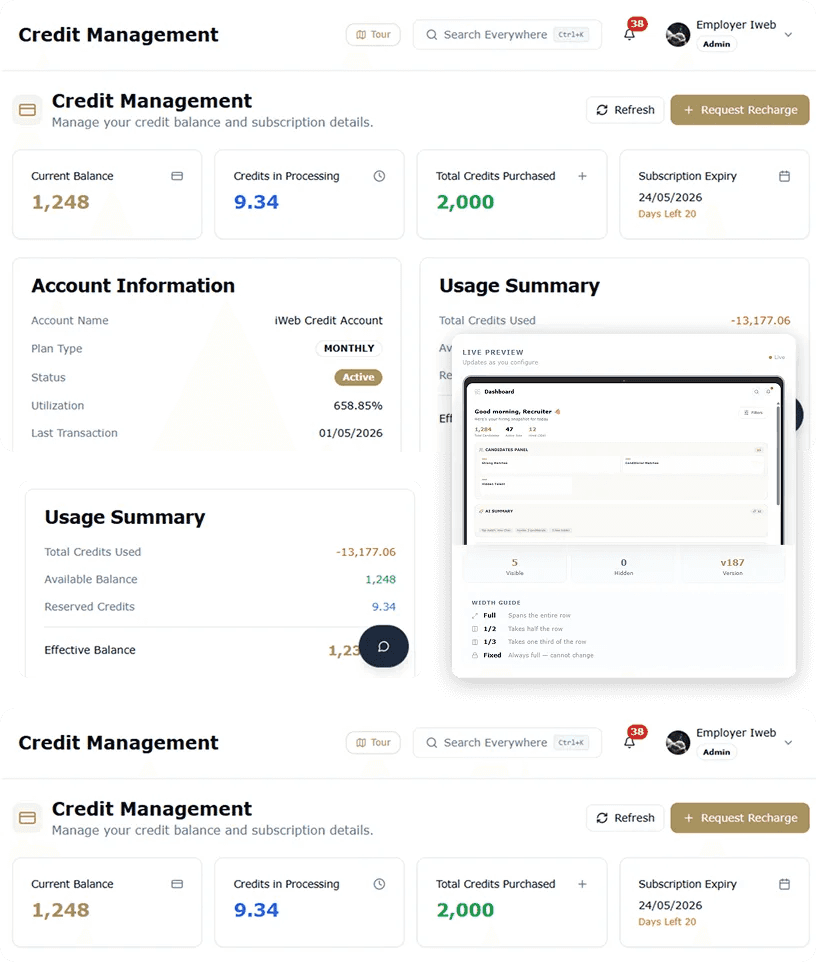
Talent Matched: a multi-tenant AI recruitment SaaS
Each customer gets its own isolated database schema in the ATS, with background workers for imports and a branded careers site for every employer. An AI agent on a private LLM, voice screening and the TM Discover search engine sit on top.
New employers onboard on the same multi-tenant platform
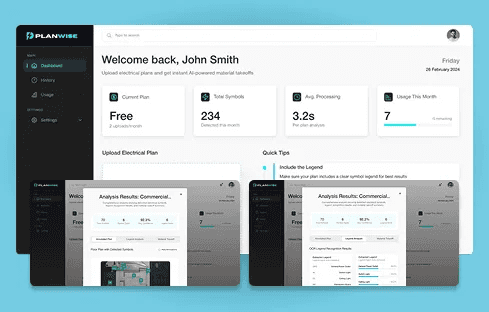
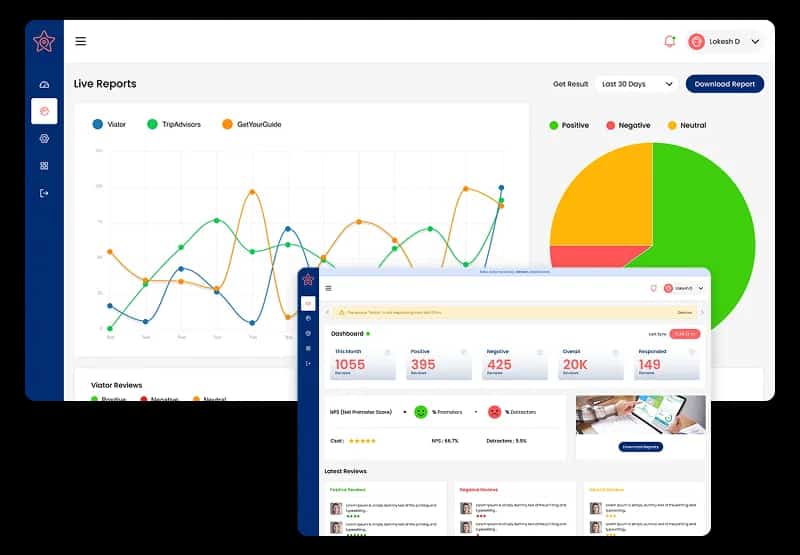

Built for you to own and run without us
India rates, with the engineering discipline your next fundraise or enterprise security review will check.
- Engineering managers run delivery. The person you sync with weekly can read a stack trace and explain trade-offs in plain English.
- You own everything from day one. That covers source code, infrastructure config, billing integration code and identity provider setup.
- We work in your repo. We use your GitHub or GitLab, your code review process and your CI pipeline.
- Compliance is documented as we build. We write up SOC 2, HIPAA and PCI DSS controls for your audit cycle and run security reviews before rollout.
- We train your team. You get runbooks, recorded walkthroughs and a 30-day question window after handoff.
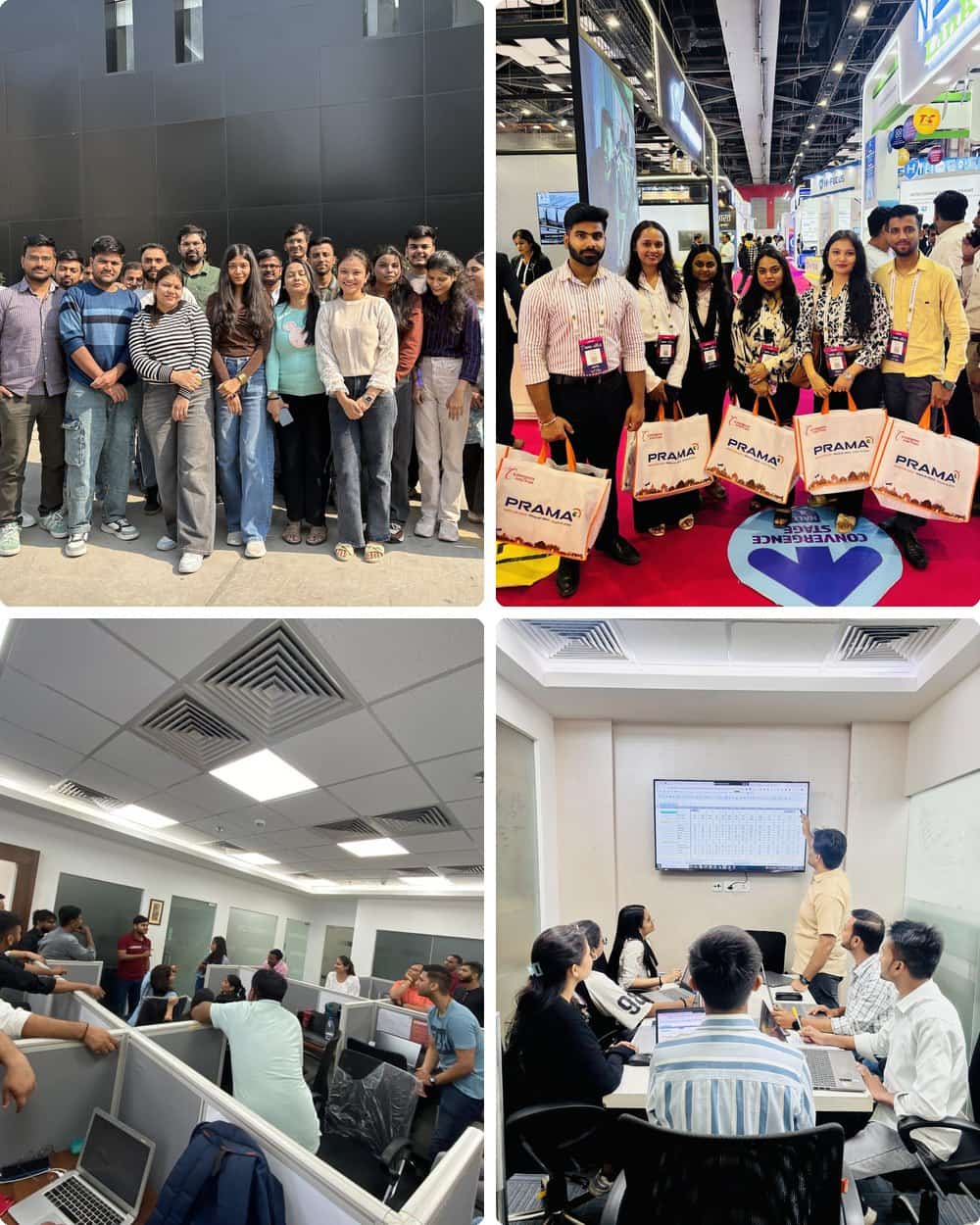
How we build a SaaS product, from first call to a hardened release
Engineers join your standups and follow your review process from the first sprint.
The SaaS stack we work in
SaaS development cost: who should build your SaaS
A SaaS platform v1 starts from $19,999, with multi-tenancy, billing and SSO included. If you already have a senior platform lead, hiring around them can be the better call. Here is how the options compare.
| ScalaCode | Western consultancy | In-house senior hire | Solo freelancer | |
|---|---|---|---|---|
| Dedicated engineer (USD) | From $1,799 a month, published | Highest, rarely published | Salary plus overhead | Varies widely |
| Time to start | 5 to 10 business days | 8 to 16 weeks (RFP) | 12 to 26 weeks (hiring) | 1 to 3 weeks, if available |
| Senior oversight on every PR | Yes | Yes, varies by team | Depends on your team | One person, no peer review |
| IP ownership | Full transfer from day one | Negotiated, often shared | Yours by default | Negotiated |
| Scale up or down | Within days | Slow, contract amendment | Hire or layoff cycle | Limited |
SaaS teams we work with
B2B SaaS for product-led growth
- Technical debt cleanup before a raise
- Multi-tenant scaling
- Partner integration layers
Vertical SaaS in regulated industries
- Healthtech, legaltech, fintech, edtech
- Audit trails and tenant isolation
Enterprise SaaS moving upmarket
- SSO, SCIM and custom permissions
- Dedicated tenant infrastructure
Internal platforms
- Developer portals on Backstage
- Self-service infrastructure
Rated 4.8/5 by the clients we build for
Verified reviews from Clutch and GoodFirms, and clients on camera.
33 verified reviews on Clutch
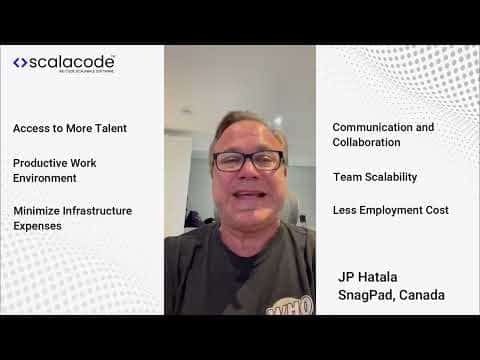
“The team was professional, reliable, and always friendly, making the entire journey from verification to launch smooth.”
“Everything we have asked for; they have completed. Everything was done in a timely and efficient manner.”
 GoodFirms review★★★★★
“Scalacode delivered a secure, scalable, and efficient platform exceeding our expectations.”
GoodFirms review★★★★★“Working with ScalaCode was a fantastic experience, marked by their expertise and support.”
 Clutch review★★★★★
“Their team often proposed innovative features we hadn't considered.”
GoodFirms review★★★★★“Their team proposed an innovative and scalable solution, ensuring seamless data integration with third-party platforms.”
“Their approach, dedication and project execution played a critical role in TipStars' success.”
SaaS development FAQs
Pricing is published. If your question is not here, ask it on the call.
How much does SaaS development cost?
A SaaS platform v1 starts from $19,999, with multi-tenancy, billing and SSO included. It follows a free discovery sprint. Dedicated engineers start from $1,799 a month, full-time.
How long does it take to build a SaaS MVP?
A focused SaaS MVP with one core workflow typically takes 6 to 8 weeks and starts from $9,999. A v1 with multi-tenancy, subscription billing and SSO is scheduled in discovery, and AI coding agents help our engineers ship it faster. Engineers can be in your repo 5 to 10 business days after contract.
Should our SaaS be single-tenant or multi-tenant?
Most B2B SaaS should start multi-tenant, with a shared schema and row-level security, because it keeps cost per tenant low. Compliance-heavy customers get a schema or database per tenant. Hybrid models are common when you sell to both, and we build the path to move a tenant between tiers.
Can you add SSO and SOC 2 controls?
Yes. We add SAML SSO and SCIM provisioning through Auth0, Clerk, WorkOS or custom OIDC, with audit logs procurement teams accept. SOC 2, HIPAA and PCI DSS controls are documented as we build, and security reviews run before production rollout.
Which billing platform should we use?
Stripe Billing suits most B2B SaaS with card payments and usage-based plans. Paddle suits teams that want a merchant of record to handle global sales tax. Chargebee or Maxio suit complex contracts and revenue recognition, and every option can feed NetSuite, QuickBooks or Xero.
Can you rebuild our existing SaaS on a modern stack?
Yes. We move monoliths to services, on-prem to cloud, or refactor the tenancy model in phases planned during discovery. Customers stay on the live product while each part moves, and you keep shipping features during the rebuild.
Do we own all the code, including integrations and admin tools?
Yes, from day one. Source code, infrastructure config, custom tooling, billing integration code and admin systems are yours. We keep no licence to reuse them for other clients.
Can you work in our existing repository?
Yes. We join your GitHub or GitLab, write code in your repo, follow your code review process and use your CI pipeline.
Will we end up dependent on you?
Every engagement includes runbooks, internal documentation, recorded walkthroughs and a 30-day question window after handoff, so your team can run the product on its own.
Working with ScalaCode was a fantastic experience, marked by their expertise and support.
Tenancy, billing and identity, scoped in one call
- A free 30-minute strategy call
- A view on the tenancy model that fits your customer mix
- What is realistic, what it costs and how long it takes