
Web application development that holds up past launch
ScalaCode is a web application development company for SaaS platforms, internal portals, marketplaces and progressive web apps, built on stacks that still make sense at year three. We build to spec and raise problems in the spec before they reach the code.


500+ projects shipped since 2012
Clutch 4.8/5 from 33 verified reviews

projects shipped since 2012
Trusted by teams at







How web application development differs from building a website
The difference decides the budget, the security model and the team you need.
- What is web application development?
- Web application development is the design and engineering of browser-based software that users log into and act in, such as editing data, completing workflows, transacting or collaborating. A website presents content. A web app carries business logic, user permissions and integrations, so it needs a backend, a security model and production infrastructure.
Related: custom software development and SaaS development.
Web applications we build
Six kinds of web product, each with its own failure modes.
SaaS web applications
Multi-tenant platforms with auth, billing, role-based access and admin tooling. Tenancy and data model choices made at v1 stay with the product through v10.
See SaaS developmentInternal business apps and portals
Tools for operations, finance, HR and service teams, wired into the ERP, CRM and HRIS you already run. Data integrity and audit trails come before visual polish.
See custom software developmentMarketplaces and platforms
We build supplier onboarding, discovery, transaction flow, payment splits, ratings and disputes, drawing on our eCommerce development work. Edge cases outnumber what the brief shows, so we agree the scope boundary early.
Progressive web apps
A PWA installs to the home screen, works offline and sends push notifications without an app store listing. Useful when users sit on managed devices that block installs.
AI features inside web apps
We add RAG-powered search, assistants inside dashboards and AI steps in existing workflows, right in the screens your users already rely on.
See RAG developmentLegacy web app replacement
We rebuild the portal that has run on borrowed time for years, one subsystem at a time, while the old one keeps working. It follows the method of our legacy modernization projects.
PWA, native app or plain web app?
A PWA gives broad reach and needs no app store listing. Native wins when you need deep camera, background or platform features. We will tell you which one your users need.
Progressive web app development: when a PWA fits
A progressive web app installs from the browser, works offline and sends push notifications without an app store listing. It suits users on managed devices that block installs, and products that need reach more than deep device access.
| Progressive web app | Native mobile app | Standard web app | |
|---|---|---|---|
| How users get it | Installed from the browser to the home screen | Downloaded from the App Store and Google Play | Opened by URL, with no install |
| Offline use | Yes, through service workers | Yes | Needs a connection |
| Push notifications | Yes, through the Web Push API | Yes | Email or in-app only |
| Device features | Camera, location and storage, with limits on iOS | Full access, including background processing | Basic browser features |
| Best for | Broad reach, managed devices, field and internal tools | Advanced camera, background work, store distribution | Portals and dashboards used at a desk |
Four reasons web apps break in year two
These are the patterns we see when we take over apps built elsewhere, and how we design them out from the first sprint.
The foundation was built for v1 demand
Most web apps hit a wall in year two because nobody planned past launch day. We start Postgres-first, type-safe from database to browser, with observability wired before the first deploy.
Tests and CI were treated as optional
Without them, every release is a gamble and regressions reach users. Integration tests, smoke tests on critical flows and CI that blocks regressions are part of the build spec.
Hosting was picked by reseller partnership
Vendors push the cloud they resell. We pick between AWS, Google Cloud, Azure, Vercel, Render, Fly and Supabase on your scope, skills and unit economics.
Nobody questioned the spec
Teams that ship exactly what was written often deliver the wrong product on schedule. We flag the parts of the spec that will cost you later, before they are built.
Replacing a legacy web app without stopping the business
Most enterprise web projects replace a system that is still in daily use, so the migration path matters more than the new stack.
Technical due diligence
We spend two to four weeks auditing the data model, integration points, undocumented business rules and the people who know them before we propose anything.
Strangler-pattern migration
We rarely recommend a big-bang rewrite. One subsystem moves at a time while the legacy app keeps running, and new features ship on the new stack.
Parallel run
For high-risk subsystems, old and new run side by side for a set window and we compare outputs to catch behavioural drift before cutover.
Data migration with audit trails
Data migration runs as its own workstream with its own lead. Every run is repeatable, auditable and reversible, scheduled off-peak with a rollback plan on standby.
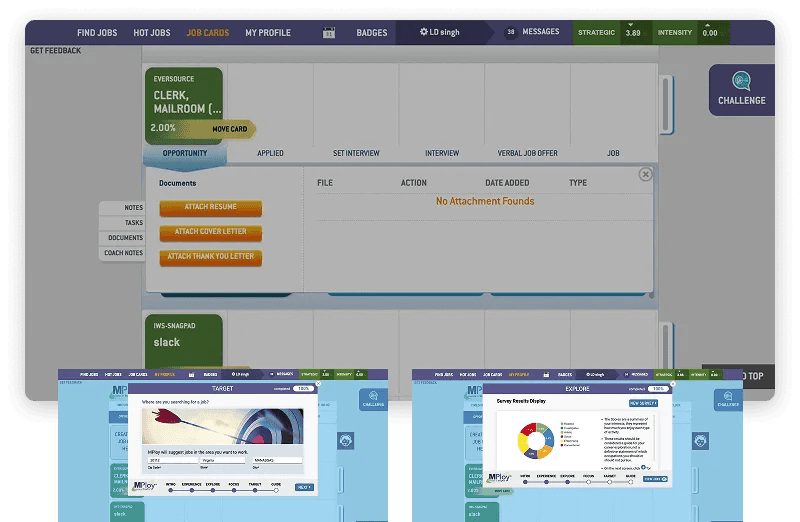
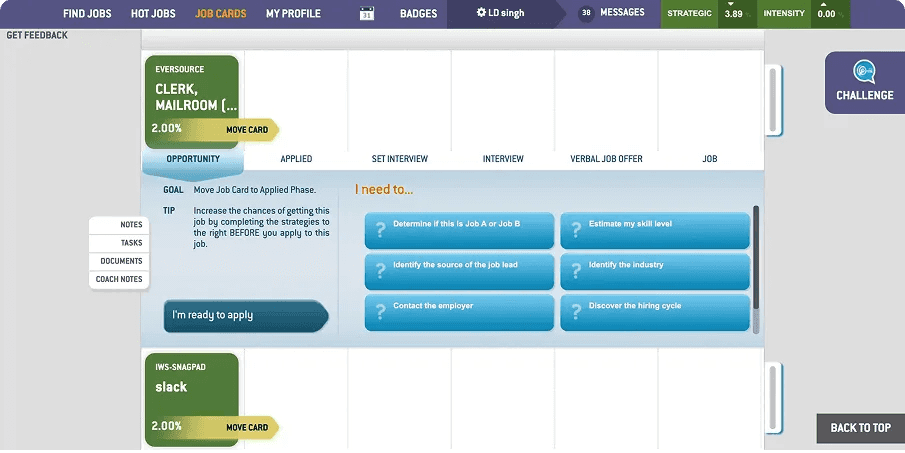
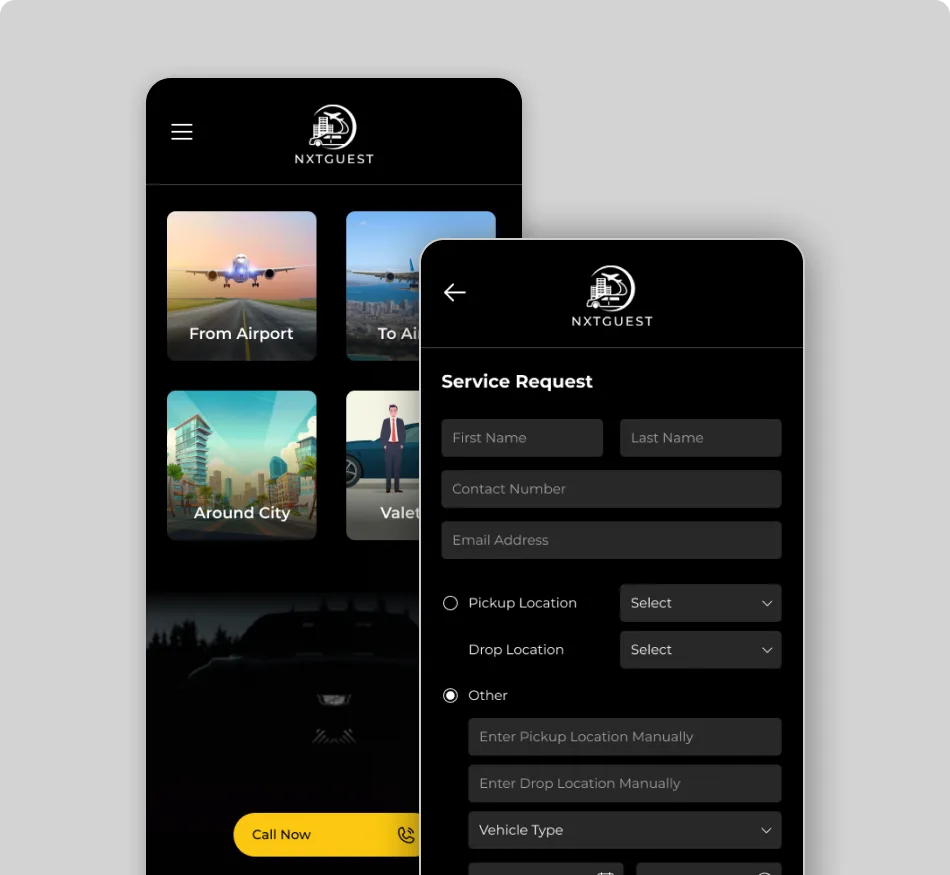
SnagPad: one web platform for job seekers, coaches and agencies
Built with JobSearchBoard, LLC. A gamified six-stage job search process for seekers, with live visibility for the coaches and agencies who support them, replacing spreadsheets and scattered documents.
Coaches advise from live activity data, replacing spreadsheets
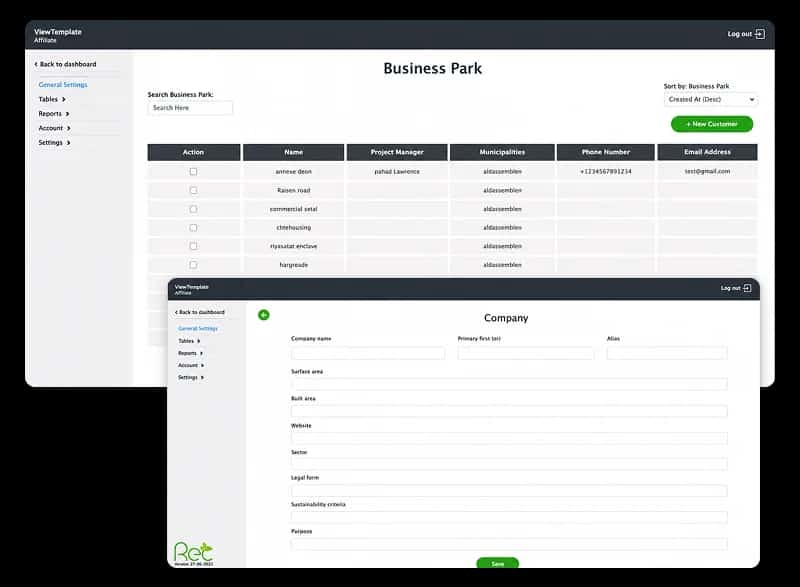
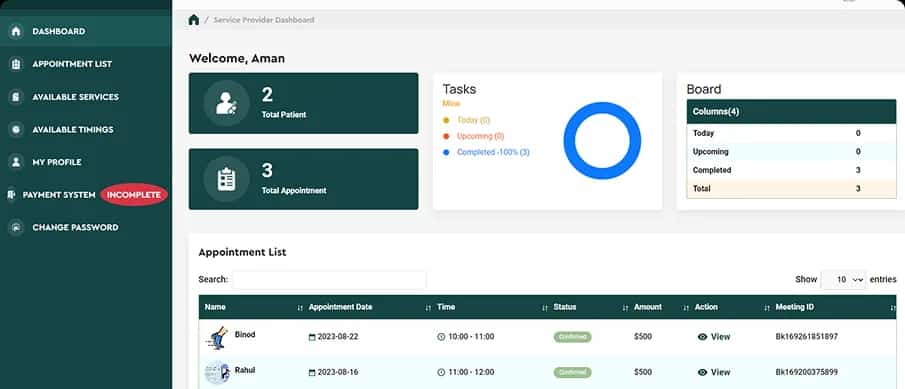
 Watch JP's story
They delivered on time and even offered ideas I hadn't considered. Their proactive input and execution exceeded my expectations.
 John-Paul HatalaCEO, SnagPad

How we deliver a web application
From first call to first shipped sprint in three to five weeks, then two-week sprints with demos, written status and code reviews you can audit at any point.
Our web app technology stack
Picked per project, on your scope, your team's skills and your unit economics.
ScalaCode vs the other ways to build a web app
We fit some web projects better than others. The table shows where we fit and where another option serves you better.
| Where ScalaCode fits | When it might not | |
|---|---|---|
| US-based web agency | India delivery at a fraction of the rate for equivalent engineering, with an ISO-certified process and verified reviews. | Your procurement requires a US contracting entity and onshore data residency. |
| Freelance developer | Engineering management, QA, test coverage and continuity if someone leaves. | You have one small feature to add and a project manager already. |
| No-code (Bubble, Webflow, Retool) | We build the custom layer when no-code hits its ceiling. | Your scope fits inside the tool, in which case custom work wastes budget and we will tell you so. |
| Hiring in-house | Faster to launch, and a lower fixed cost than hiring a five-engineer web team. | You already have a senior web lead and only need people around them. |

One team, 14 years of shipping
projects shipped since 2012
clients across 45+ countries
AI systems running in production
on Clutch, from 33 verified reviews
Web application development cost and engagement models
A web application starts from $11,999, with admin and integrations. Dedicated engineers start from $1,799 a month, full-time.

Project-based
Scope, timeline and milestone payments are agreed up front. We own delivery from discovery to launch.
Best for a v1 SaaS launch or a defined portal rebuild.

Dedicated team
Engineers who work only on your product, inside your process and tools.
Best for a multi-month roadmap with shifting priorities.
Hire full-stack developers
Time and materials
Pay for the hours used, with a monthly cap, while the scope is still moving.
Best for discovery, prototypes and specs still being written.
Rated 4.8/5 by the clients we build for
Verified reviews from Clutch and GoodFirms, and clients on camera.
33 verified reviews on Clutch
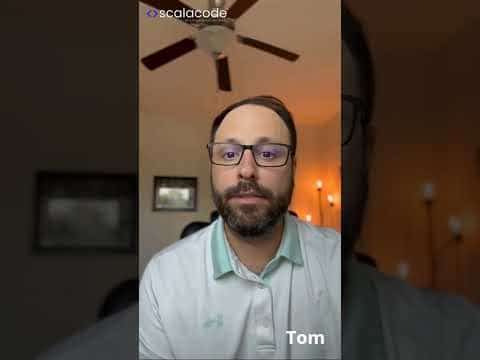
“The team was professional, reliable, and always friendly, making the entire journey from verification to launch smooth.”
 Clutch review★★★★★
“ScalaCode has a lot of transparency. They also have excellent engineers who work quickly.”
 Trustpilot review★★★★★
“ScalaCode delivered a game changing custom CMS for our outdoor business.”
“They delivered on time and even offered ideas I hadn't considered. Their proactive input and execution exceeded my expectations.”
“Everything we have asked for; they have completed. Everything was done in a timely and efficient manner.”
“I am currently using ScalaCode on an existing project that I am working on. And, from the get-go, they have been excellent; always available on-hand to help out.”
Clutch review★★★★★“I'm mostly impressed by ScalaCode's skill set and experience in troubleshooting.”
Web app development FAQs
Ask anything not covered here on the call.
How much does web application development cost?
A web application starts from $11,999, with admin and integrations. It follows a free discovery sprint. Dedicated engineers start from $1,799 a month, full-time.
Which tech stack do you recommend for a web app?
For most new web apps we recommend TypeScript from database to browser: React or Next.js on the front end, Node.js with NestJS or Fastify on the back end, and PostgreSQL. Python with FastAPI or Django suits products with heavy data or AI work. Hosting is picked on your scope, your team's skills and unit economics.
Should we build a progressive web app or native mobile apps?
Build a PWA when you need broad reach, when users are on managed devices that block app store installs, or when the experience fits inside the browser. Go native for deep platform features, advanced camera, background processing or app store distribution.
How long does it take to build a web application?
An MVP with one core workflow takes 6 to 8 weeks. Larger web apps, such as B2B portals, marketplaces and enterprise-grade builds, get a written schedule after the discovery sprint, and AI coding agents help our engineers ship them faster. Two-sided platforms such as real estate marketplaces follow the same discovery-first plan.
How do you handle performance and security?
Both are part of the build spec from the first sprint. Integration and smoke tests run in CI, error tracking is live on staging, and a production readiness review checks load and query performance before launch. Security covers role-based access, SSO through Okta, Auth0 or SAML, and encryption in transit and at rest.
Do you support the web app after launch?
Yes. The team that built the app continues into maintenance or the next build phase, so nobody relearns the codebase. Support covers monitoring, bug fixes, dependency and security updates, and new features.
Can you integrate the web app with our existing systems?
Yes. We build the APIs and integrations that connect your app to Salesforce, HubSpot, NetSuite, SAP, Workday and custom ERPs, plus SSO through Okta, Auth0 and SAML. Most production web apps need three to five integrations, so we design them as part of the build spec.
Can you take over a web app built by another team?
Yes, after technical due diligence. We audit the codebase, document its state and the risks, then run a three to four week stabilisation sprint before steady-state work. For a large inherited codebase, AI code optimization can speed up that first audit.
Who owns the code?
You do. IP assignment is in the master service agreement, and NDAs are standard.
Get a scope envelope, a proposed team and a cost range
- A free 30-minute strategy call
- A written cost range within two business days
- We say so if no-code or an off-the-shelf tool would do the job
“They delivered on time and even offered ideas I hadn't considered.”
John-Paul Hatala, CEO, SnagPad