
AI voice agent development for calls, bookings and support
ScalaCode is an AI voice agent development company. We build voice AI agents that answer and place phone calls, book appointments and resolve routine support requests, connected to your CRM, calendar and phone system. When a caller needs a person, the agent transfers the call with a summary of what was said.
AI systems running in production
projects shipped since 2012
clients served since 2012
on Clutch, from 33 verified reviews
countries with live clients
9001:2015 certified delivery process
Trusted by teams at








Clutch 4.8/5Verified client reviews

GoodFirmsReviewed software partner
ISO 9001:2015Certified delivery process
GDPR compliantData handled under EU rules
What AI voice agent development involves
Most of the engineering goes into turn-taking, integrations and testing on recorded calls, and the language model is one part of the system.
- What is an AI voice agent?
- An AI voice agent is software that holds a spoken conversation over the phone or in an app, works out what the caller wants and acts on it, such as booking a slot or checking an order. It combines speech recognition, a language model, connections to business systems and speech synthesis, with a route to a human agent.
Related: AI chatbots and assistants covers web and messaging channels. The AI engineering hub covers RAG, agents and LLM work.
Pipeline or speech-to-speech model for a voice agent
Most production voice agents run speech-to-text, a language model and text-to-speech as a streamed pipeline, because each stage can be tested and swapped on its own. Speech-to-speech models suit calls where tone and natural turn-taking matter more than step-by-step control.
| Speech-to-text, LLM, text-to-speech | Speech-to-speech model | Keypad IVR | |
|---|---|---|---|
| How it works | Three stages stream into each other on every turn | One model takes audio in and returns audio | Fixed menus and recorded prompts |
| Audit trail | A transcript and every tool call, turn by turn | Transcripts produced alongside the audio, with less control per step | Menu choices logged per call |
| Changing providers | Each stage can move to a new provider on its own | Tied to one model provider | A call-flow rebuild in the IVR |
| Best for | Support, bookings and regulated calls | Calls where tone carries the value | Short menus with few branches |
| Typical providers | Deepgram or Whisper, OpenAI or Claude, ElevenLabs or Cartesia | OpenAI Realtime API, Gemini Live | Your current contact-centre platform |
When the same assistant also answers on web chat or WhatsApp, see AI chatbots and assistants.
Voice AI agents we build
Each agent starts with one call type, connected to the systems that call needs, and takes on more flows once it handles the first one well.
Inbound support calls
AI phone agents answer order status, account and policy questions from your systems and route everything else to the right team. Policy calls are common in insurance.
Appointment booking and rescheduling
The agent checks live availability in your calendar or practice system, books or moves a slot and sends a confirmation by SMS or email. Clinics can pair it with AI in healthcare.
Outbound reminders and confirmations
Scheduled calls confirm appointments, deliveries or renewals, record the answer in your CRM and retry at the times you set.
Lead qualification
The agent qualifies inbound sales calls against your criteria and books qualified callers into a sales rep's calendar during the call.
Human handoff and call transfer
The agent warm-transfers to a person with a written summary of the call, triggered by the caller, a low-confidence answer or a rule you set.
Multilingual voice agents
The agent detects the caller's language and replies in it, and transfers to a team member who speaks that language when needed.
Voice AI feasibility sprint
A 1 to 2 week review of your call types, recordings and systems, ending with a ranked list of flows to automate and a build plan. The sprint is free.
Enterprise voice AI integrations
We connect Salesforce, Microsoft Dynamics, SAP and your own APIs through their published interfaces, so the agent reads and writes the records a call needs.
Call analytics and quality review
One dashboard shows transcripts, outcomes, handoff reasons and cost per call, and flagged calls queue up for your team to review.
Your team answers the same calls every day
Bring your most common call types and roughly how many you take each week. In 30 minutes the ScalaCode team will tell you which flows a voice agent can take on first and what a pilot costs.
Four patterns we build into every voice agent
Voice agents break on interruptions, misheard details and slow lookups, so these patterns go in from the first release.
Streaming turns with barge-in
Speech recognition, the model and speech synthesis stream into each other, and the agent stops speaking as soon as the caller interrupts.
Read-back for critical details
Dates, times, addresses and reference numbers are read back to the caller and confirmed before the agent writes them to your system.
Confidence-based handoff
When the caller asks for a person, the agent is unsure or a rule applies, the call moves to your team with a written summary attached.
Tool calls with fallbacks
Lookups and bookings run through your APIs with timeouts, and the agent tells the caller what it is doing while a slow system responds.
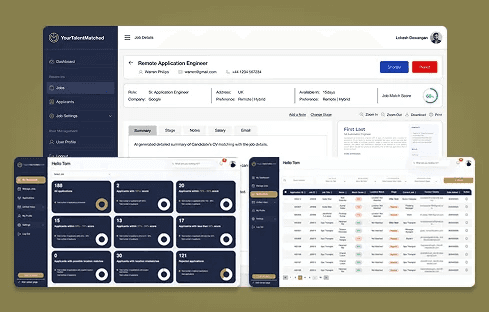
Talent Matched: speech AI that screens candidates by voice
In Talent Matched, a multi-tenant recruitment SaaS, candidates answer screening questions out loud. Speech recognition captures the spoken answers, the platform scores communication, clarity and confidence, and a private LLM with semantic search ranks fit for each role.
Ranking and shortlisting time, per the client
More AI products we shipped
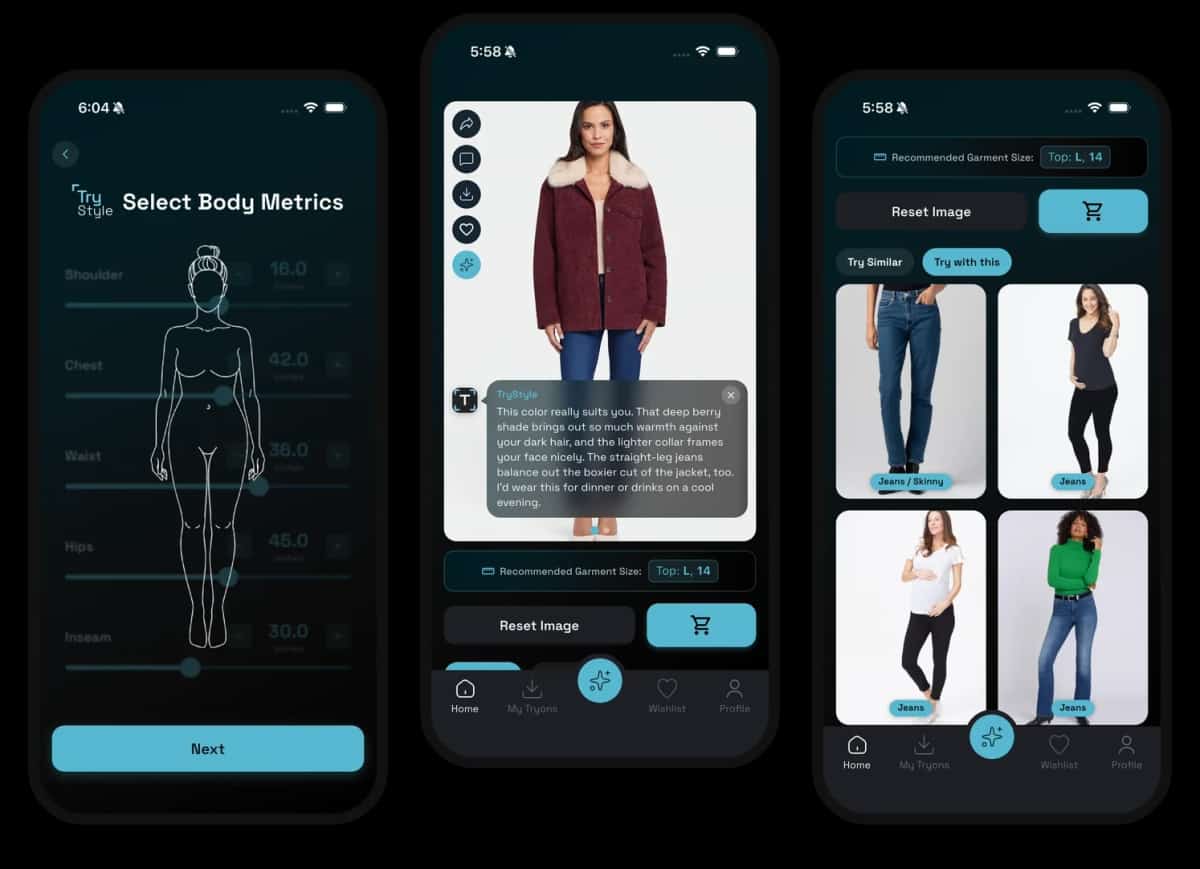
All case studies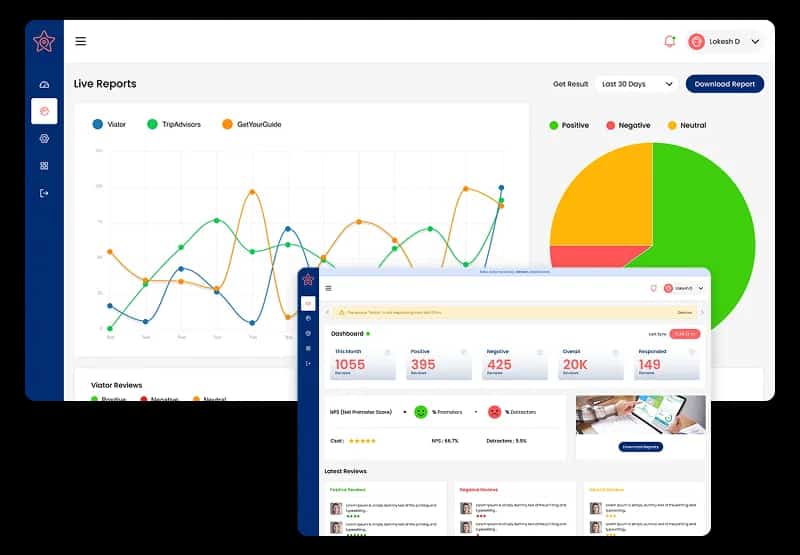
How we build and test a voice agent
A proof of concept on one call flow takes 3 to 4 weeks. The production voice agent with telephony, integrations and monitoring follows on a schedule set after it.
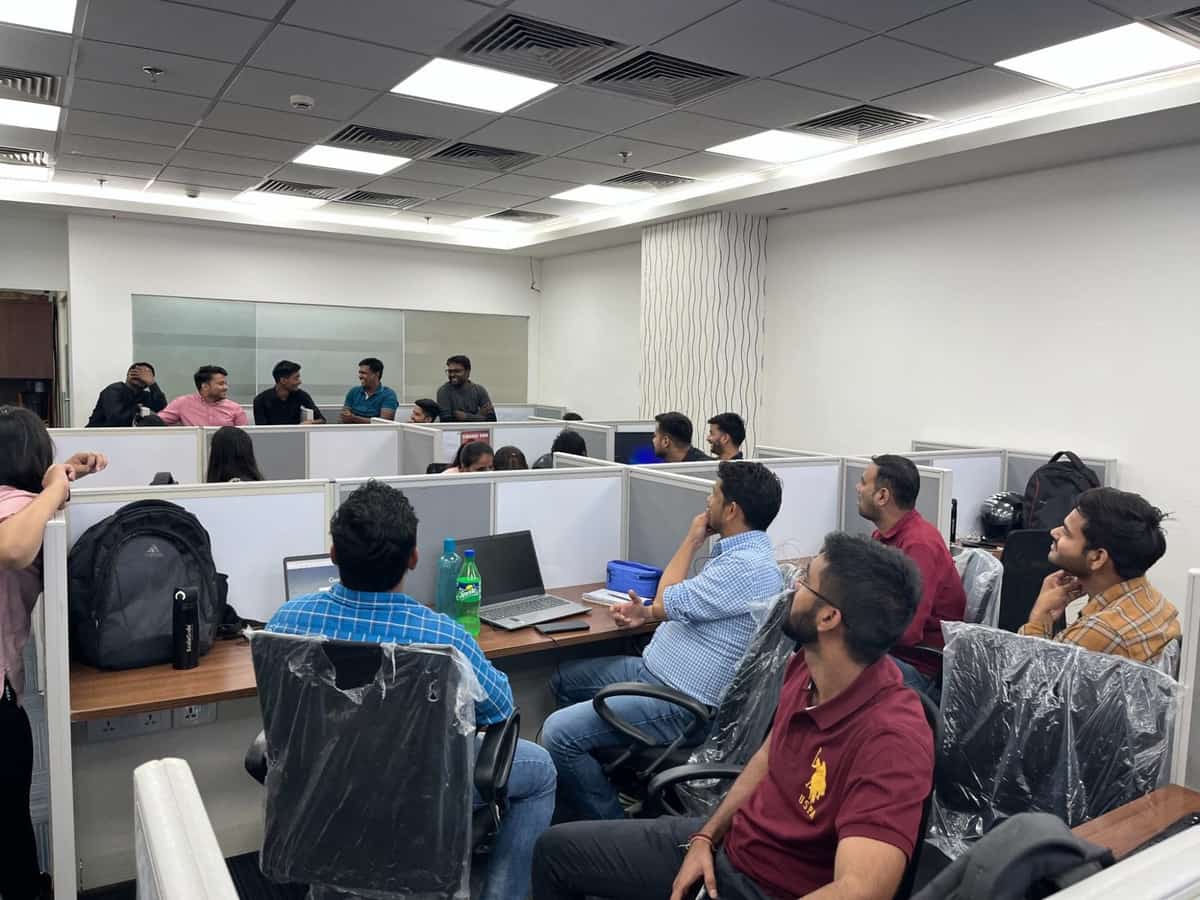
One team, 14 years of shipping
projects shipped since 2012
AI systems running in production
clients across 45+ countries
years building software, since 2012
Controls for call recordings and transcripts
Calls carry names, account details and sometimes health or payment data, so these controls are scoped during discovery.
Recordings in your cloud
Audio, transcripts and logs are stored in your cloud account under your retention policy, and NDAs are standard.
Redaction of sensitive fields
Card numbers, dates of birth and other fields you mark can be redacted from transcripts and logs before they are stored.
Access that follows your roles
After the caller is verified, the agent reads only the records that caller may see, because your access controls carry through to it.
Compliance in the scope
The SOC 2, HIPAA or GDPR controls your calls need are written into the scope during discovery.
Voice AI stack we work with
We fit the stack to your phone system, your call volume and the cloud you already run.
Where AI phone agents fit by industry
Voice agents pay back fastest where the same call types repeat at volume and the answers already sit in your systems.
Healthcare
- Appointment reminders
- Patient intake calls
Financial services
- Payment reminders
- Balance and account queries
Retail and eCommerce
- Order status calls
- Returns booking
Logistics
- Delivery time updates
- Driver dispatch calls
Manufacturing
- Supplier order checks
- Field service booking
Insurance
- First notice of loss intake
- Policy renewal calls
SaaS platforms
- Tier-1 support calls
- Trial follow-up calls
Home and field services
- Job booking
- Technician arrival updates
AI voice agent development cost
The discovery sprint is free and ends in a written proposal with a fixed quote. A proof of concept on one call flow starts at $4,999 and takes 3 to 4 weeks.

Discovery sprint
1 to 2 weeks and free, ending in a written proposal with a fixed quote. A review of your calls, a ranked list of flows and a build plan.
Best for teams that know call volume is a problem and want to pick the first flow.

Proof of concept, then production
A working agent on one call flow from $4,999 in 3 to 4 weeks. A multi-channel assistant across web, WhatsApp and voice starts at $14,999, scheduled once the proof of concept passes.
Best for one high-volume call type with a clear owner.

Dedicated voice AI team
AI engineers inside your process from $1,799 a month per engineer, working in your GitHub or GitLab, CI and project tracker.
Best for a contact centre automating more flows over time.
Rated 4.8/5 by the clients we build for
Verified reviews from Clutch and GoodFirms, and clients on camera.
33 verified reviews on Clutch
 Clutch review★★★★★
“What stood out to us as most impressive and unique about ScalaCode was their ability to humanize complex AI.”
Clutch review★★★★★“What sets ScalaCode apart is their technical AI expertise and an understanding of a client's organizational ethos.”
 GoodFirms review★★★★★
“They built a high-performance, AI-powered platform that transformed video engagement for learning.”
Clutch review★★★★★“They managed to balance technical skill with an understanding of the marketing world.”
Clutch review★★★★★“Their team often proposed innovative features we hadn't considered.”
Clutch review★★★★★“They didn't just build an algorithm; they built a tool that respects the nuances of Indigenous reconciliation.”
Clutch review★★★★★“What I found impressive about ScalaCode was their ability to listen to the soul of an educational mission.”
AI voice agent development FAQs
We will answer anything not covered here on the call.
How much does an AI voice agent cost?
A voice agent proof of concept on one call flow starts at $4,999 and takes 3 to 4 weeks. The discovery sprint is free, and a multi-channel assistant with voice starts at $14,999. Telephony, speech and model usage are charged per minute or per token by the providers, and we estimate them for your call volume during discovery.
Can a voice agent hand calls to a person?
Yes. The agent transfers the call when the caller asks, when its confidence drops or when a rule you set applies, such as a complaint or a payment dispute. Your team receives a short summary and the transcript, so the caller does not have to repeat themselves.
Which phone systems can it connect to?
We connect voice agents through telephony APIs such as Twilio, Vonage, Plivo and Telnyx, or through a SIP trunk to an existing PBX or contact-centre platform. Discovery confirms the route for your setup, including how transfers reach your human agents.
How do you handle accents and background noise?
We test speech recognition providers on recordings of your own callers before choosing one, because results vary with accent, language and line quality. Dates, names and reference numbers are read back for confirmation, and the agent hands the call to a person when it still cannot understand the caller after a retry.
Is call data kept secure?
Yes. Recordings, transcripts and logs stay in your cloud account under your retention policy, and sensitive fields such as card numbers can be redacted before storage. Access controls carry through to the agent, and SOC 2, HIPAA or GDPR controls are written into the scope during discovery.
How long does it take to launch a voice agent?
A proof of concept on one call flow takes 3 to 4 weeks. The production timeline for a voice agent with telephony, integrations, handoff and monitoring is fixed after that, and live calls then move to the agent through a staged rollout.
Which calls should a voice agent handle first?
Start with routine calls that have a clear outcome, such as booking, rescheduling, order status and reminders. Complaints, complex sales and calls that need judgment stay with your team, and the agent passes them across with a summary. Typical first calls include viewing bookings for real estate agents, booking changes in travel and hospitality and outage or billing questions for energy and utilities providers.
Should we build a voice agent or a chatbot first?
Start with the channel where most of your volume arrives. If customers mostly phone, a voice agent removes more work. A chatbot and a voice agent can share the same knowledge and integrations, which lowers the cost of adding the second channel. You can also hire chatbot developers for the text side.
Who owns the voice agent code?
You do. The code, prompts, call flows and test sets are yours from the first commit, NDAs are standard, and we work in your GitHub or GitLab and your cloud accounts. To run it with your own team, you can hire AI voice engineers.
One team, matched to your working hours
We schedule 4 to 6 hours of daily overlap with US time and a full working day with the UK and Europe, so reviews, demos and fixes happen during your working hours.
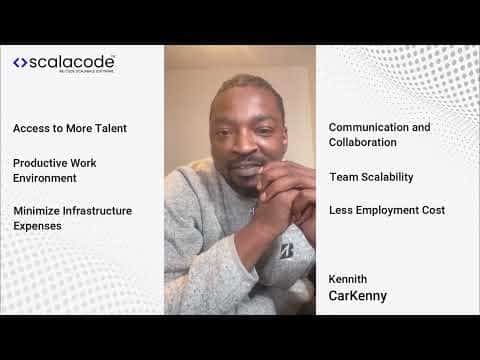
 Watch Kennith's review
CarKenny: an AI vehicle app, built with ScalaCode
Find out which calls a voice agent can take off your team
- 30 minutes with the ScalaCode team
- Which call flows suit a voice agent and which should stay with people
- What a pilot costs and how long it takes
“What sets ScalaCode apart is their technical AI expertise and an understanding of a client's organizational ethos.”
Laurence Longet, Director, MGEN (Clutch review)