
Edtech software development for eLearning platforms, LMS and tutoring apps
Edtech software development for tutoring marketplaces, learning management systems, corporate training apps and course platforms. We build the web and mobile products where people sign up, learn, book sessions and track progress, connected to the tools your organisation already runs.
projects shipped since 2012
building software since 2012
AI systems running in production
clients in 45+ countries
on Clutch, from 33 verified reviews
9001:2015 certified delivery process
Training, education and consumer brands we have worked with



What edtech software development covers
The platforms and apps people use to teach, learn and train.
- What is edtech software development?
- Edtech software development is the engineering of the platforms and apps that people use to teach, learn and train online. It covers learning management systems, tutoring and course marketplaces, assessment tools, corporate training apps and student portals, with integrations for video, payments, student information systems and content standards such as SCORM and LTI.
Four reasons learning platforms lose their learners
Sign-up that delays the first lesson
Long registration forms for students, parents and tutors lose people before they reach any learning. We cut sign-up to the fields the first session needs and collect the rest later, in the profile.
Search that misses the right tutor or course
Learners give up when filters do not match how they describe what they need, such as subject, level, format and price. Filters follow the words your learners use, checked against your search logs or support questions before launch.
Content nobody finishes
Long videos and static PDFs lose learners, especially on phones and for staff who work away from a desk. Short lessons, progress tracking, reminders and game mechanics where they suit the audience, built mobile-first.
Engagement nobody can measure
Without data on sessions, completions and drop-off, the team cannot see which parts of the platform work. Session, completion and drop-off events are tracked from the first release and shown in an admin dashboard.
Edtech software we build
From a single tutoring app to a platform you license to schools and companies.
Tutoring and course marketplaces
We build tutoring marketplaces with student and tutor sign-up, search by subject and level, tutor profiles with qualifications and rates, booking, payments and payouts.
See web application developmentLearning management systems
We build courses, cohorts, assignments, grading and progress tracking for schools, universities and training providers, with SCORM or xAPI content where you need it.
Live and group classes
Scheduled one-to-one and group sessions with video, shared materials and recordings, run through Zoom or a WebRTC provider's published API.
Corporate training apps
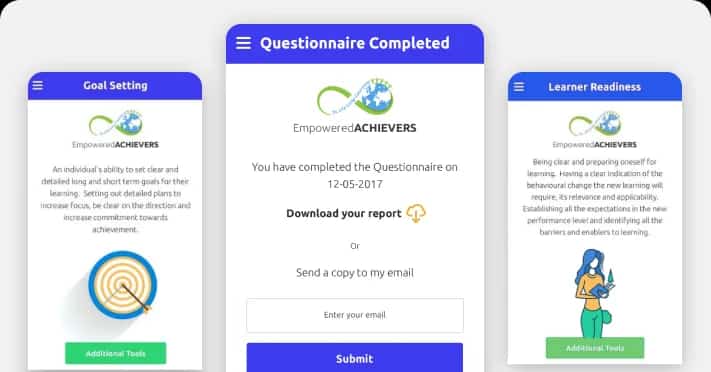
Office and deskless teams train on their phones with short lessons, quizzes and reflection tools, and managers get the reports.
See mobile app developmentAssessment and certification
We build question banks, timed tests, automatic marking and certificates, with exam rules agreed with your assessment team.
AI tutoring and feedback
Assistants that answer from your own course material, quiz generation from a lesson, and feedback drafts a teacher reviews before release.
See RAG developmentPlanning a learning platform or replacing an LMS?
Talk to us about your learners, your content and the first workflow worth building.
Edtech software for tutoring, training, career and course businesses
A tutoring startup and a corporate L&D team need different first builds. These are the four we see most.
Tutoring and course marketplaces
Learners find a tutor or course, then book, pay and leave reviews in one place.
Corporate L&D and workforce training
Training reaches office and deskless staff on their phones and reports progress back to managers.
Career services and coaching
Job search and coaching platforms that guide people through stages and show coaches where each person is.
Schools, universities and course creators
Course delivery, assessment and student portals, connected to the systems the institution already runs.
Where a custom build beats an off-the-shelf LMS
Moodle, Canvas and the hosted course platforms suit standard course delivery, and we will tell you on the first call if one of them covers your needs. A custom build pays off when the learning model itself is your product.
- Marketplaces and matching. Tutor search, booking, payments and payouts sit outside what an LMS is designed to do.
- Your own learning method. We build gamified paths, reflection tools or coaching stages that a course template cannot express.
- A product you sell. A multi-tenant platform you license to schools or companies, with your branding and your billing.
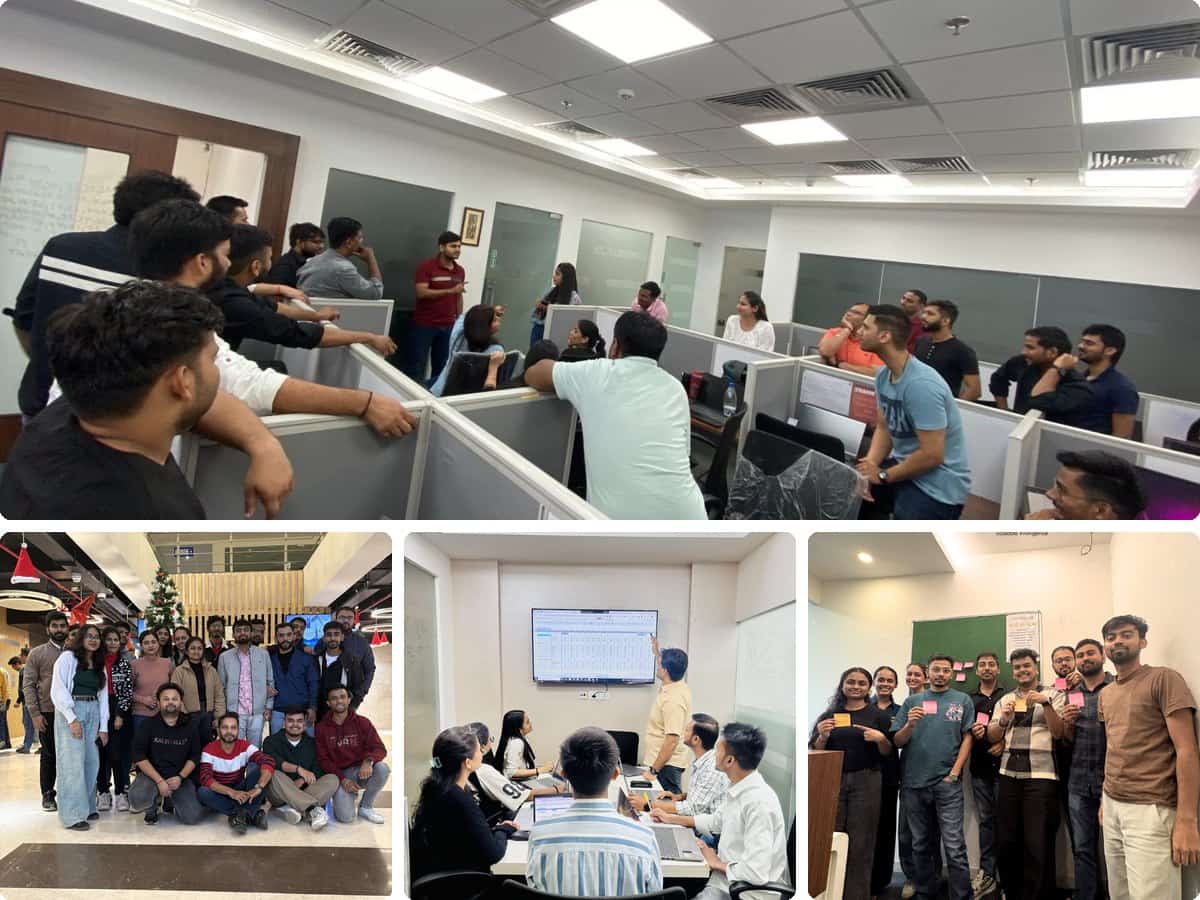
Ship one learning workflow first, then grow the platform
Two-week sprints with a demo at the end of each, automated tests on every change, and every release through staging.
The edtech stack we work in
Chosen per project. LearnArena runs on Laravel, Angular, PostgreSQL and AWS.
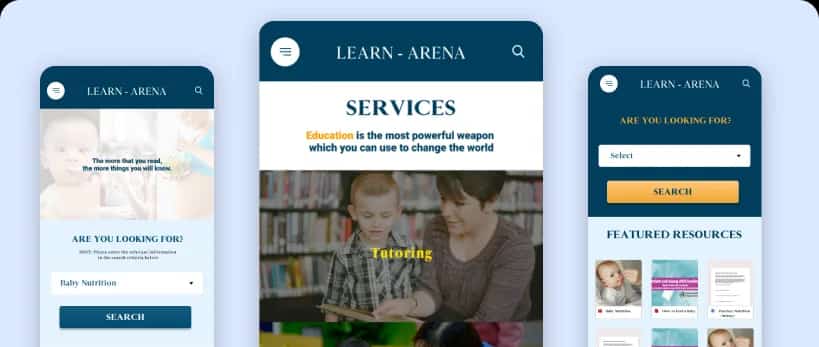
LearnArena: an on-demand eLearning platform for students and tutors
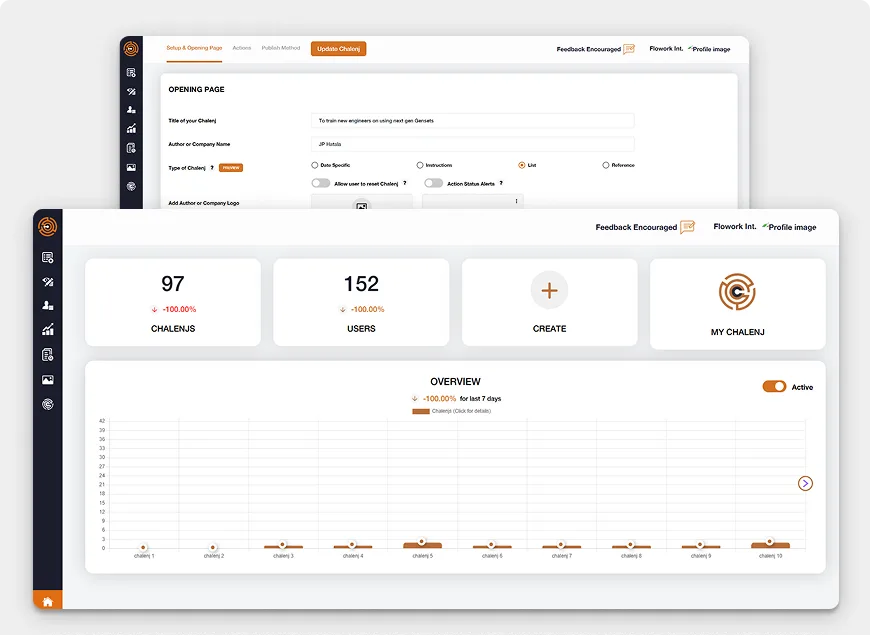
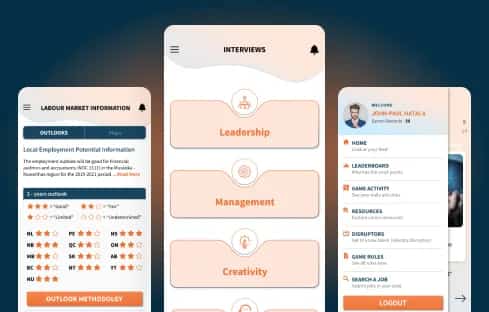
ScalaCode built LearnArena, an on-demand eLearning platform that connects students with tutors. Students search for tutors by subject, compare profiles with qualifications, availability and rates, and book tutoring or group learning sessions.
student and tutor marketplace
More edtech and learning case studies
All case studies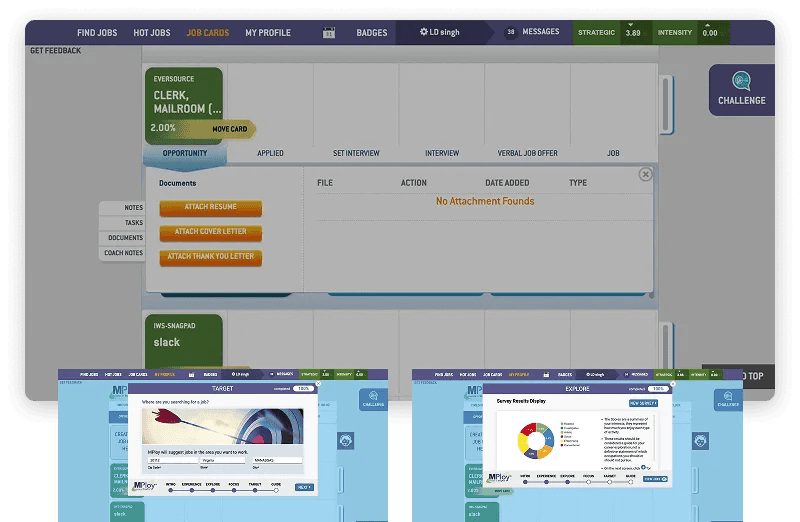
ScalaCode vs the alternatives
Most edtech teams weigh hiring, an off-the-shelf LMS and an agency. The table compares cost and fit.
| In-house hire | Off-the-shelf LMS | Generalist agency | ScalaCode | |
|---|---|---|---|---|
| Cost | Salaries plus months of hiring | Per-learner or per-seat licence | Variable | From $1,799 a month per engineer, published |
| Fits your learning model | Yes | Within the platform's limits | Sometimes | Yes |
| Web, mobile and AI in one team | Hard to hire | Not applicable | Sometimes | Yes |
| You own the code and learner data | Yes | Depends on the vendor | Depends on contract | Yes |
| Same team over time | Yes | Not applicable | Often no | Yes |

One team, 14 years of shipping
projects shipped since 2012
AI systems running in production
clients across 45+ countries
years building software, since 2012
Rated 4.8/5 by the clients we build for
Verified reviews from Clutch and GoodFirms, and clients on camera.

33 verified reviews on Clutch
 GoodFirms review★★★★★
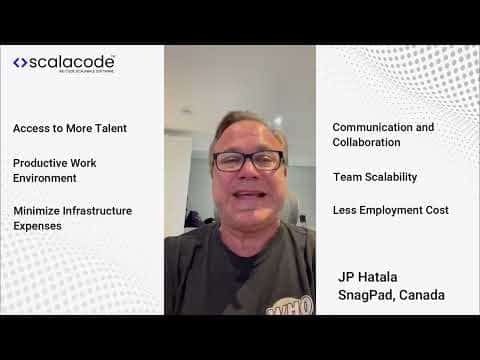
“They built a high-performance, AI-powered platform that transformed video engagement for learning.”
“I am currently using ScalaCode on an existing project that I am working on. And, from the get-go, they have been excellent; always available on-hand to help out.”
 Clutch review★★★★★
“The iOS and Android apps exceeded the expectations of the internal team.”
Clutch review★★★★★“What I found impressive about ScalaCode was their ability to listen to the soul of an educational mission.”
“Their approach, dedication and project execution played a critical role in TipStars' success.”
Clutch review★★★★★“What sets ScalaCode apart is their technical AI expertise and an understanding of a client's organizational ethos.”
Clutch review★★★★★“They understood the business side of our requirements and often brought up solutions or ideas we hadn't considered.”
Edtech software development FAQs
We will answer any other question on the call.
How much does edtech software development cost?
Every build starts with a free discovery sprint. An MVP such as a tutoring marketplace with sign-up, search, booking and payments starts from $9,999, a full web platform from $11,999, a mobile learning app from $9,999 and a multi-tenant SaaS product you sell to schools or companies from $19,999. Dedicated engineers start from $1,799 a month, full-time.
Should we build a custom LMS or use Moodle or Canvas?
Use Moodle, Canvas or a hosted course platform if you need standard course delivery for your own learners. Build custom when the learning model is the product, such as a tutoring marketplace, a gamified training app or a platform you license to other organisations. Some teams keep an LMS for courses and build a custom app beside it, connected over LTI or the LMS's API.
Can you integrate with our LMS, SIS or video tools?
Yes, where the system publishes an API or supports a standard. We connect LMSs over LTI 1.3 or their APIs, track content through SCORM or xAPI, sync rosters from student information systems, and run live classes through Zoom or a WebRTC provider. Discovery confirms each integration before we design around it.
How do you handle student data privacy under FERPA, COPPA and GDPR?
The controls your requirements call for are written into scope during discovery, such as parental consent for under-13s under COPPA, access rights for students and parents under FERPA, and GDPR handling for European learners. Access is role-based by student, parent, tutor and admin. Compliance stays with your organisation, and we build the software to support it.
Can you add AI tutoring or assessment features?
Yes. Common starting points are an assistant that answers from your own course material, quiz generation from a lesson, and feedback drafts on written answers that a teacher reviews before a student sees them. We test each feature against a set of your own questions before release, and a person stays in the loop for anything that affects grades.
Will the platform cope with term-start and exam-day traffic?
Yes. We load test against your expected peak before launch, cache course pages and content, and scale servers on AWS for enrolment weeks and exam windows. Timed tests save answers as the student goes, so a dropped connection does not lose their work.
How long does an eLearning platform take to build?
Most MVPs take 6 to 8 weeks after a discovery sprint of 1 to 2 weeks, for one platform and the core workflow, such as tutor search and booking or one course from enrolment to completion. Group classes, analytics, mobile apps and further integrations follow in later sprints.
Who owns the code, the course content and the learner data?
You do. IP assignment is in the contract, NDAs are standard, and the code, the learner data and the cloud accounts are yours from day one. Course content you create stays yours throughout.
They built a high-performance, AI-powered platform that transformed video engagement for learning.
Scope your learning platform in 30 minutes
- Advice from a team that has shipped tutoring, training and career platforms
- Build or buy, integrations and the first workflow covered up front
- Free, with no obligation to build with us