
Insurance software development for claims, underwriting and policy teams
Insurance software development for carriers, MGAs and insurtechs: claims intake, document AI for claim files and submissions, underwriting data and integrations with the policy admin system you already run.
projects shipped since 2012
building software since 2012
AI systems running in production
clients in 45+ countries
on Clutch, from 33 verified reviews
9001:2015 certified delivery process
Financial services teams and global brands we have worked with







What insurance software development covers
Claims, underwriting, policy administration and distribution, all running on policyholder data.
- What is insurance software development?
- Insurance software development is the design and engineering of software for insurers, MGAs, brokers and insurtechs. It covers claims intake and management, underwriting and rating tools, policy administration integrations, agent and policyholder portals, document processing, and AI for claim triage and fraud signals, built around policyholder data and regulatory requirements.
Four problems insurance software has to solve first
Claim files arrive as documents
Forms, photos, estimates and medical reports land as PDFs and email attachments. We extract the fields into structured data, and adjusters check anything the model is unsure of.
The core system sets the pace
Policy admin and claims cores change slowly and every new product waits on them. We build new journeys beside the core and connect through its APIs or a service layer.
Underwriters re-key submissions
Broker submissions and loss runs are copied into rating tools by hand. We prefill the underwriting workbench from the submission and flag the gaps.
Fraud review starts too late
Suspicious claims are spotted after payment, if at all. We score each new claim at intake so the special investigations team sees the risky ones first.
Insurance software we build
From one claims intake app to the data layer that feeds underwriting, claims and finance.
Claims intake and FNOL
Customers report a loss on web, mobile, email or phone with photo upload and policy lookup, and each claim routes to the right adjuster.
See mobile app developmentDocument AI for claims
Claim forms, repair estimates, invoices and medical reports read into structured fields, with low-confidence fields sent for review.
See multimodal AIUnderwriting data and workbench
Submissions, loss runs and third-party data pulled into one view, so underwriters price from complete files.
Policy admin integrations
We build quote, bind and endorsement journeys connected to your policy admin and billing systems through their APIs.
See API developmentFraud signals at intake
We score claims against history, network links and document anomalies, and investigators decide every referral.
See AI fraud detectionAgent and policyholder portals
Brokers, agents and customers get quotes, policy documents, payments, renewals and claim status in one portal.
Planning a claims or underwriting build?
Talk to us about your core system, data and compliance scope before you commit budget.
Claims AI development inside the claims workflow
AI earns its place in insurance where people currently read, copy and sort documents. These four patterns come up on most claims and underwriting builds.
Claims triage
Each new claim is classified by line, severity and complexity, and simple ones go to a fast-track queue an adjuster still signs off.
Claim document extraction
Vision and language models read forms, estimates and reports, and account numbers or signatures can be masked before a hosted model sees the file.
Fraud signals
Claims are scored against prior claims, linked parties and document anomalies, and investigators label the outcomes that retrain the model.
Policy wording answers
Adjusters and service staff ask questions of policy wordings and guidelines, and each answer cites the clause it came from.
Policyholder data, security and compliance
SOC 2, HIPAA and GDPR controls are written into scope during discovery, together with the rules your compliance team brings, such as state data security laws based on the NAIC model law.
SOC 2 and HIPAA controls
Encryption, access control and audit logging agreed in scope, with HIPAA controls added where a line handles health data.
GDPR
We handle policyholder data under EU rules for European books of business.
ISO 9001:2015
Our certified delivery process runs automated tests on every change and stages each release.
You own the code
Source code, models and evaluation sets are yours, so your team can run and change them later.
AI in insurance, added to the claims and underwriting systems you run
Built by Scala AI, our AI engineering team, and wired into your core, document store and data platform.
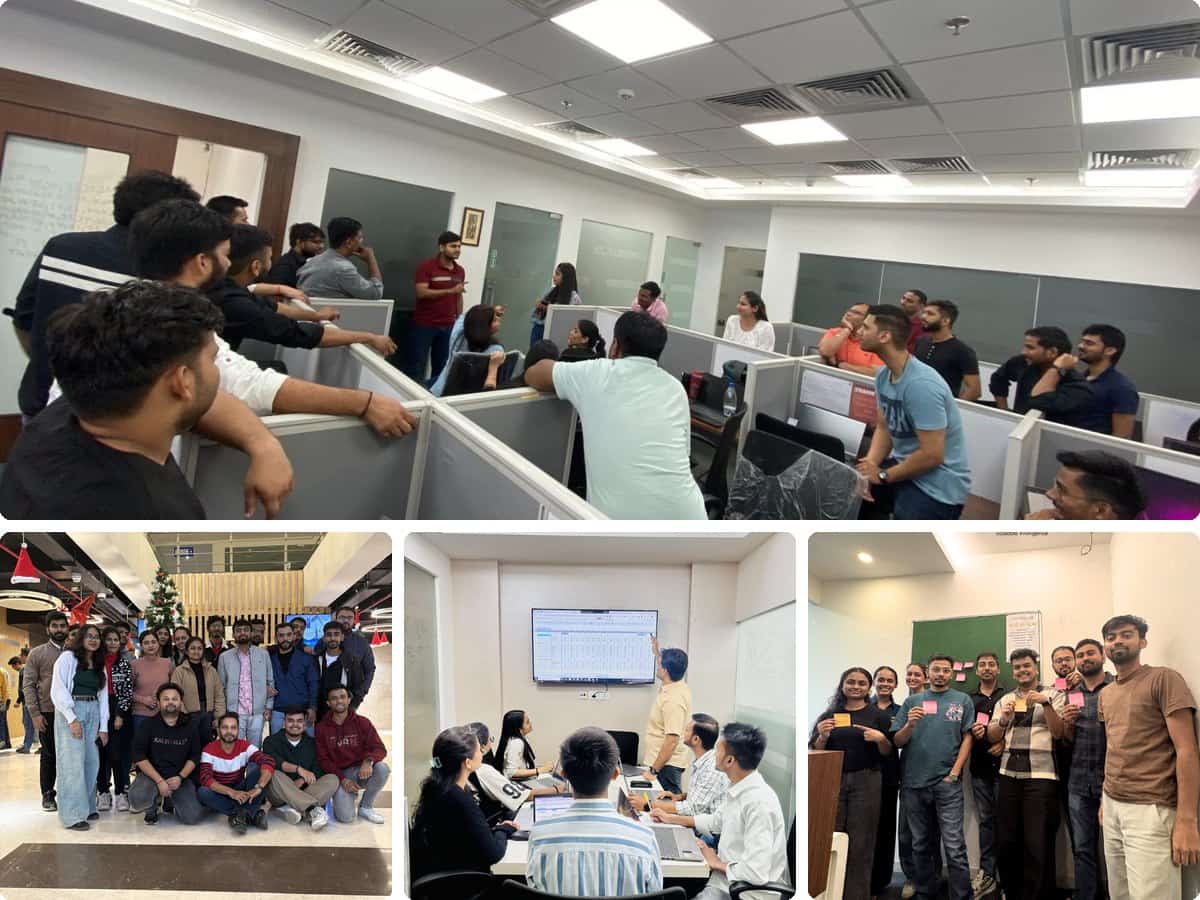
Insurance software development process, from scoping to launch
A document AI proof of concept on your own claim files takes 3 to 4 weeks. The production claims or underwriting build is scheduled after it, based on the core system integrations, and AI coding agents help our engineers ship it faster.
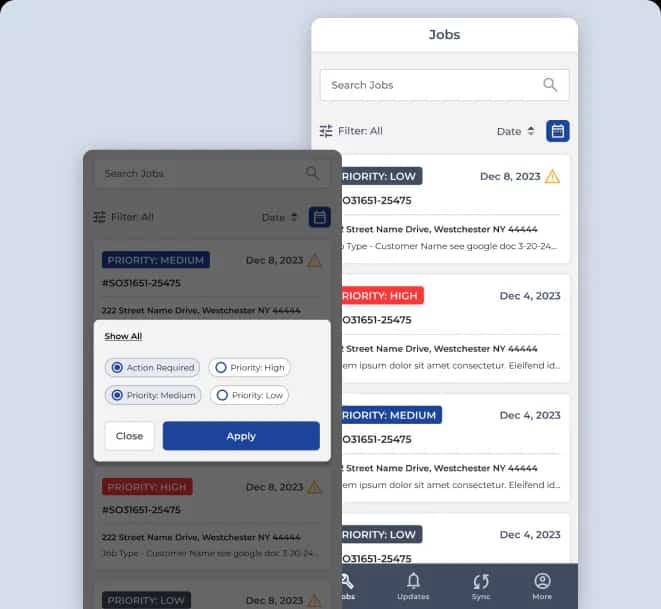
Field service apps integrated with NetSuite: web, Android and iPhone
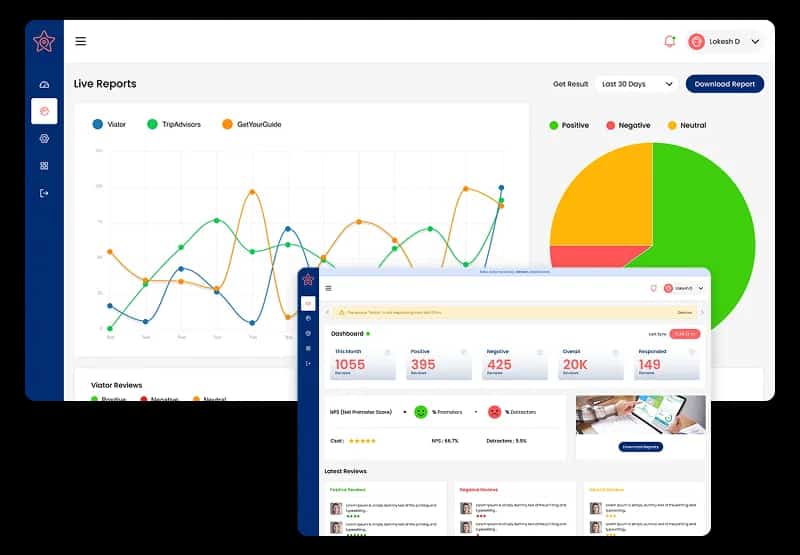
ScalaCode built web, Android and iPhone apps for a field service company to replace its Service Pro software. Field workers view jobs, complete inspections, add photos and notes, and everything syncs with NetSuite through a secured backend.
apps replacing Service Pro
Nearest published AI work (no insurance case study is published yet)
All case studies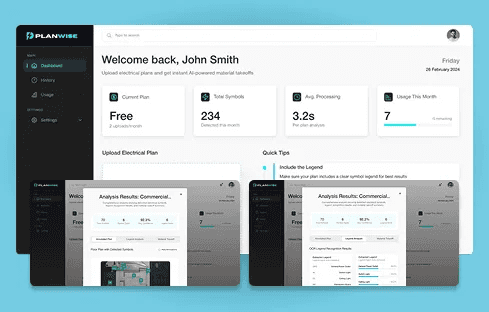
One team, 14 years of shipping
projects shipped since 2012
AI systems running in production
clients across 45+ countries
years building software, since 2012
Rated 4.8/5 by the clients we build for
Verified reviews from Clutch and GoodFirms, and clients on camera.

33 verified reviews on Clutch

 Clutch review★★★★★
“What sets ScalaCode apart is their technical AI expertise and an understanding of a client's organizational ethos.”
Clutch review★★★★★“They understood the business side of our requirements and often brought up solutions or ideas we hadn't considered.”
 GoodFirms review★★★★★
“They built a high-performance, AI-powered platform that transformed video engagement for learning.”
Clutch review★★★★★“What stood out to us as most impressive and unique about ScalaCode was their ability to humanize complex AI.”
GoodFirms review★★★★★“Scalacode delivered a secure, scalable, and efficient platform exceeding our expectations.”
Clutch review★★★★★“They gave us clear timelines and met them.”
GoodFirms review★★★★★“Working with ScalaCode was a fantastic experience, marked by their expertise and support.”
Insurance software development FAQs
We will answer any other question on the call.
How much does insurance software development cost?
Every insurance build starts with a free discovery sprint. A document AI proof of concept starts from $4,999, custom software from $9,999 and enterprise platforms from $24,999. Core system integrations and compliance scope set the fixed quote.
Have you built insurance software before?
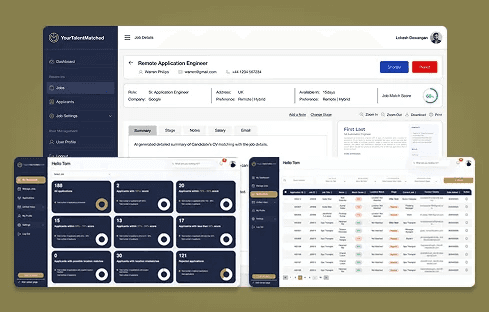
Yes. ScalaCode delivered AI development for MGEN, an insurance company, and Laurence Longet, Director at MGEN, reviewed the work on Clutch. We have no published insurance case study yet, so this page shows the nearest published work, including field inspection apps synced with NetSuite, Planwise, which reads complex drawings, and Talent Matched, which scores applicants with AI.
Can you integrate with Guidewire, Duck Creek or our policy admin system?
We integrate through the APIs your core vendor publishes, with developer access arranged through your IT team at the start. Where a core system has no usable API, we add a service layer so new journeys ship without changes to the core. The integration list is fixed during discovery, before the quote. This integration work is usually one stage of a wider digital transformation.
Can AI read claim forms, medical reports and repair estimates?
Yes, for most typed and scanned documents. Vision and language models extract the fields, each field carries a confidence score, and low-confidence fields go to a reviewer. Signatures, account numbers and marked fields can be masked before a hosted model sees the file.
Will AI make claim decisions on its own?
No. AI triages, extracts and flags, and an adjuster or investigator makes the decision, with the model's reasons and the reviewer's action written to an audit log. Fast-track rules for simple claims are set and owned by your claims team.
How do you protect policyholder data?
SOC 2, HIPAA and GDPR controls are written into scope during discovery, alongside the regulations your compliance team brings. Data stays in your cloud account, with encryption in transit and at rest, role-based access and audit logs. Your data is never used to train shared models.
How long does an insurance software project take?
A document AI proof of concept on your own files takes 3 to 4 weeks. The schedule for a claims intake app or underwriting workbench is fixed in writing after discovery, and depends mostly on how many core systems need new integrations.
Will we own the source code?
Yes. You own the source code, models and evaluation sets under the agreed contract terms, so your team can maintain and extend them.
What sets ScalaCode apart is their technical AI expertise and an understanding of a client's organizational ethos.
Scope your insurance build in 30 minutes
- A plan for your claims or underwriting workflow
- Core system integrations and compliance scope covered up front
- Free, with no obligation to build with us