
Mobile app development that passes review and stays rated
ScalaCode is a mobile app development company in India that builds native Swift and Kotlin apps, or Flutter and React Native apps when cross-platform fits. We recommend one approach for your app before any build budget is committed.
projects shipped since 2012
building software since 2012
AI systems running in production
clients in 45+ countries
on Clutch, from 33 verified reviews
9001:2015 certified delivery process
Trusted by teams at







What mobile app development includes
The backend, store review and crash reporting take as much work as the app screens themselves.
- What is mobile app development?
- Mobile app development is the design, engineering and release of applications for iPhone, iPad and Android devices, either natively in Swift and Kotlin or cross-platform with Flutter or React Native. It includes the mobile backend and APIs, App Store and Google Play submission, crash reporting and analytics, and the updates that keep the app working on new OS versions.
Mobile apps we build
From a consumer v1 to apps for a deskless workforce of thousands.
Native iOS apps
We use Swift and SwiftUI when an app needs advanced camera work, background processing, ARKit, WidgetKit or deep App Store entitlements. Read more about our iOS app development.
Native Android apps
We write Kotlin with Jetpack Compose and test on the devices your users carry, foldables, Wear OS and Android Auto included. Our Android app development team handles Play Store releases too.
Cross-platform apps
React Native when your team is React-fluent or shares logic with a web app. Flutter for brand-first apps with a custom rendered UI.
Mobile backends and APIs
We build REST and GraphQL APIs sized for mobile traffic, with pagination that respects data plans, cacheable responses and auth that survives bad networks.
See web application developmentEnterprise and field-service apps
We build offline-first apps for field service, warehouses, retail floors and healthcare workers. They connect to scanners, BLE devices and telematics, and sync once the network returns.
Wearable apps
We build apps for smartwatches, fitness bands and medical devices that connect to sensors, the phone app and the cloud.
Have an app that is crashing or stuck in review?
We take over apps built elsewhere. A technical audit comes first, then a stabilisation sprint before new features.
Flutter, React Native or native: how we choose
Cross-platform suits content, marketplace, fintech and form-heavy apps. Graphics-heavy apps and deep platform integration need native code. We choose per project, based on scope.
| Native (Swift and Kotlin) | React Native | Flutter | |
|---|---|---|---|
| Best for | Graphics-heavy apps, advanced camera, deep background work, platform-specific UX | React-fluent teams, apps sharing logic with a web product, B2B SaaS companions | Brand-first apps that need the same custom UI on every platform |
| Codebases | Two: Swift for iOS, Kotlin for Android | One, with some native modules | One, with some native modules |
| Platform features | Full access on day one | Through native modules and plugins | Through platform channels and plugins |
| Where it falls short | Two teams and two codebases cost more | Weak fit for graphics-heavy or deep platform work | Larger app size, and Dart is a separate skill to hire for |
For a cost breakdown by scope, read our guide to Estimate your app cost.
Where mobile projects go wrong, and what we do instead
Most mobile app projects fail in predictable ways. These are the ones we design around from week one.
The backend was built for desktop
Page sizes assume broadband and auth refresh assumes a stable session. We audit the API in discovery and add a mobile-ready layer where it is needed.
Scope crept in mid-build
Every feature added mid-sprint costs more than it would have in the original plan. Scope locks at week zero, and changes go through a one-page impact note first.
No design system, so screens were rebuilt
Teams that skip it rebuild the same components across screens. We set up the design system in week one.
Crash reporting came after the crash
Bolting on observability after a bad release costs far more than doing it first. Sentry, Crashlytics and analytics are on the launch checklist, and native module work is budgeted up front.
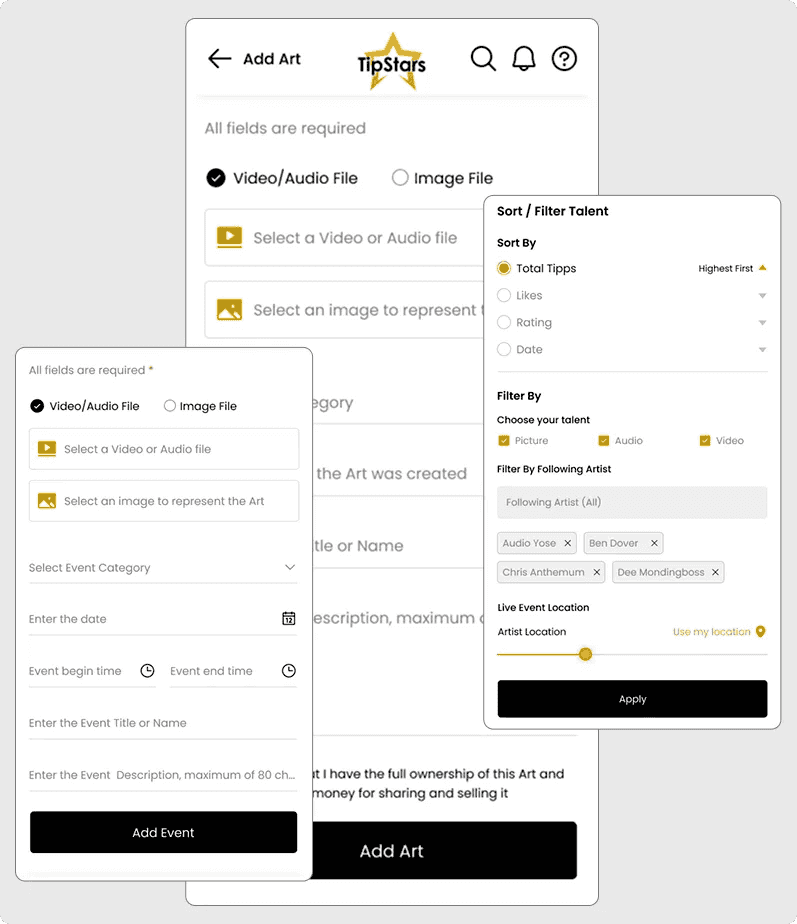
TipStars: a mobile app where fans discover and tip artists
Built for founder James Ellis. Native Kotlin and Swift clients on one Laravel API, with payments across cards and bank accounts in multiple currencies, live updates for tips, likes and follows, and event promotion for artists.
Fans tip and follow artists, artists grow a paying audience
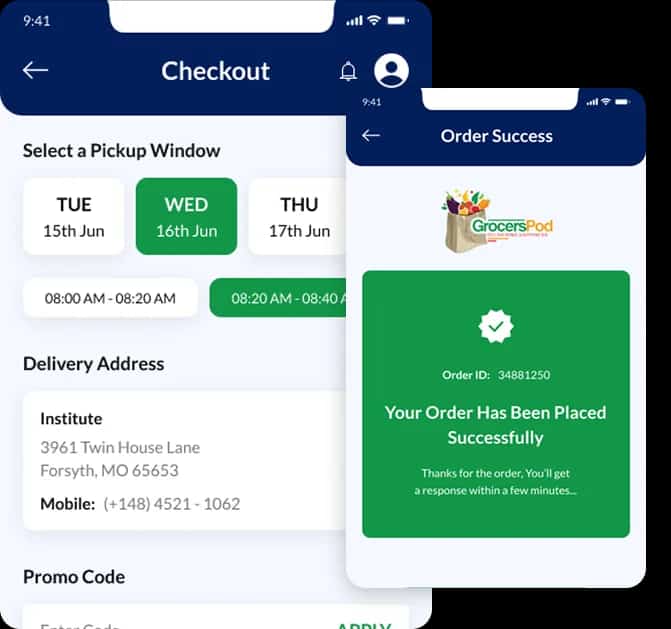
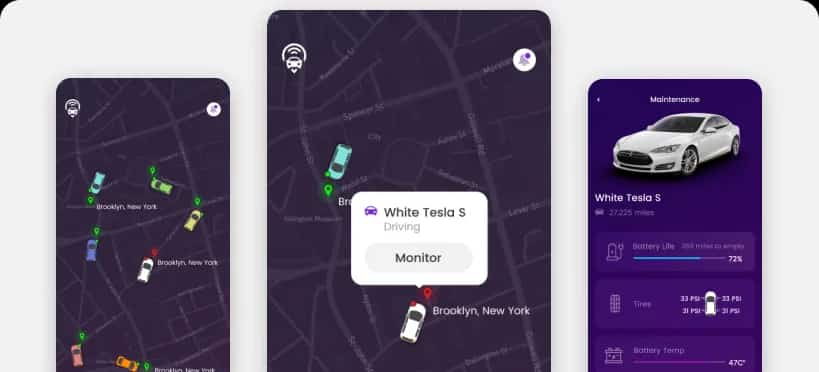
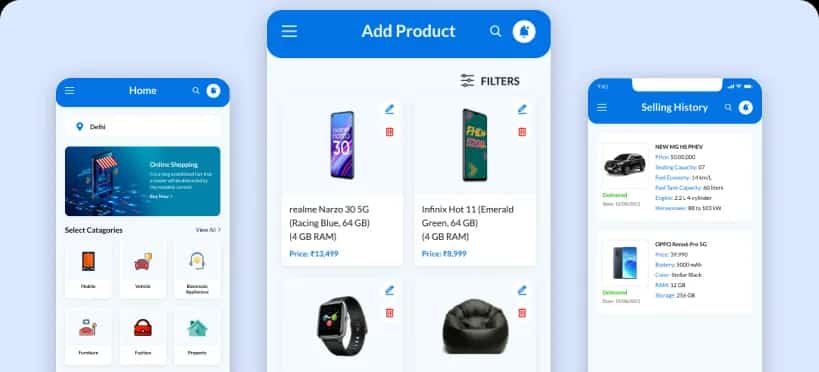
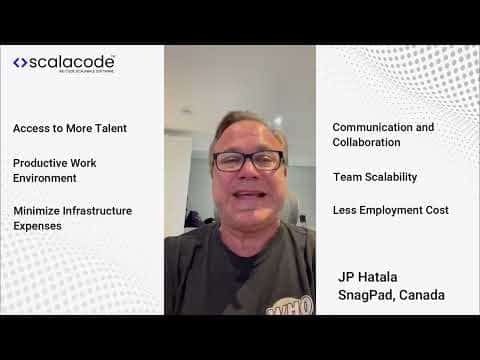
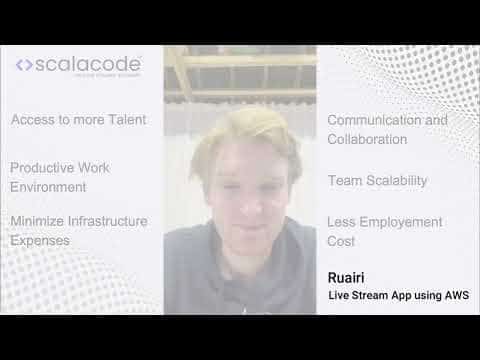
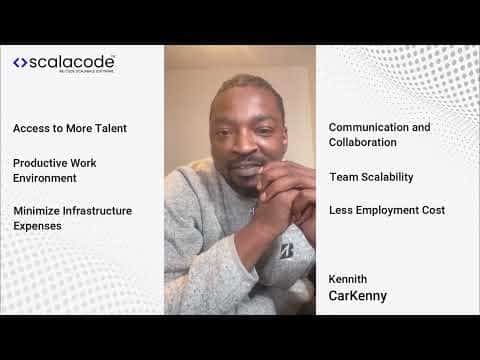
Clients on camera, talking about their apps
All case studies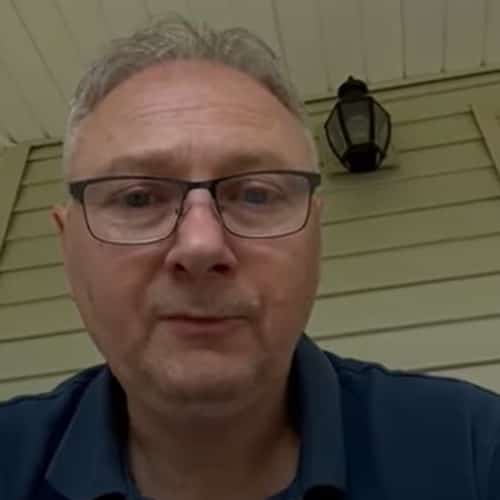
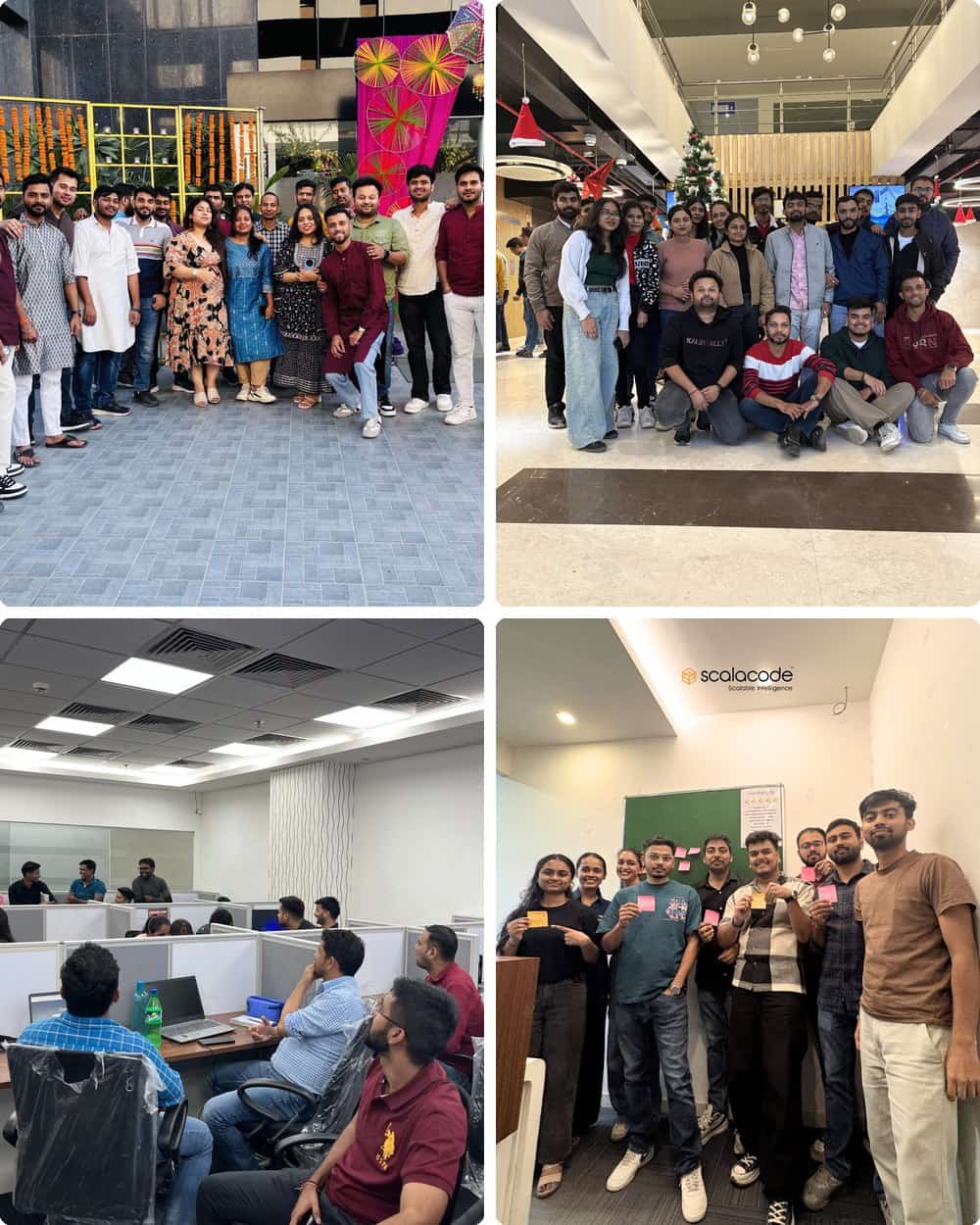
How we take an app through store review, from discovery to launch
A test build in your hands every two weeks, through TestFlight or the Play internal track.
The mobile stack we work in
Mobile apps for every kind of user
Consumer apps
- Shopping and marketplaces
- On-demand services
- Fitness and fintech
SaaS companion apps
- Push and deep links
- Offline support
- Mobile-first workflows
Deskless workforce apps
- Field service and warehouse
- Scanners and BLE devices
- Audit trails and roles
Retail and POS
- Handheld stock terminals
- Order and inventory apps
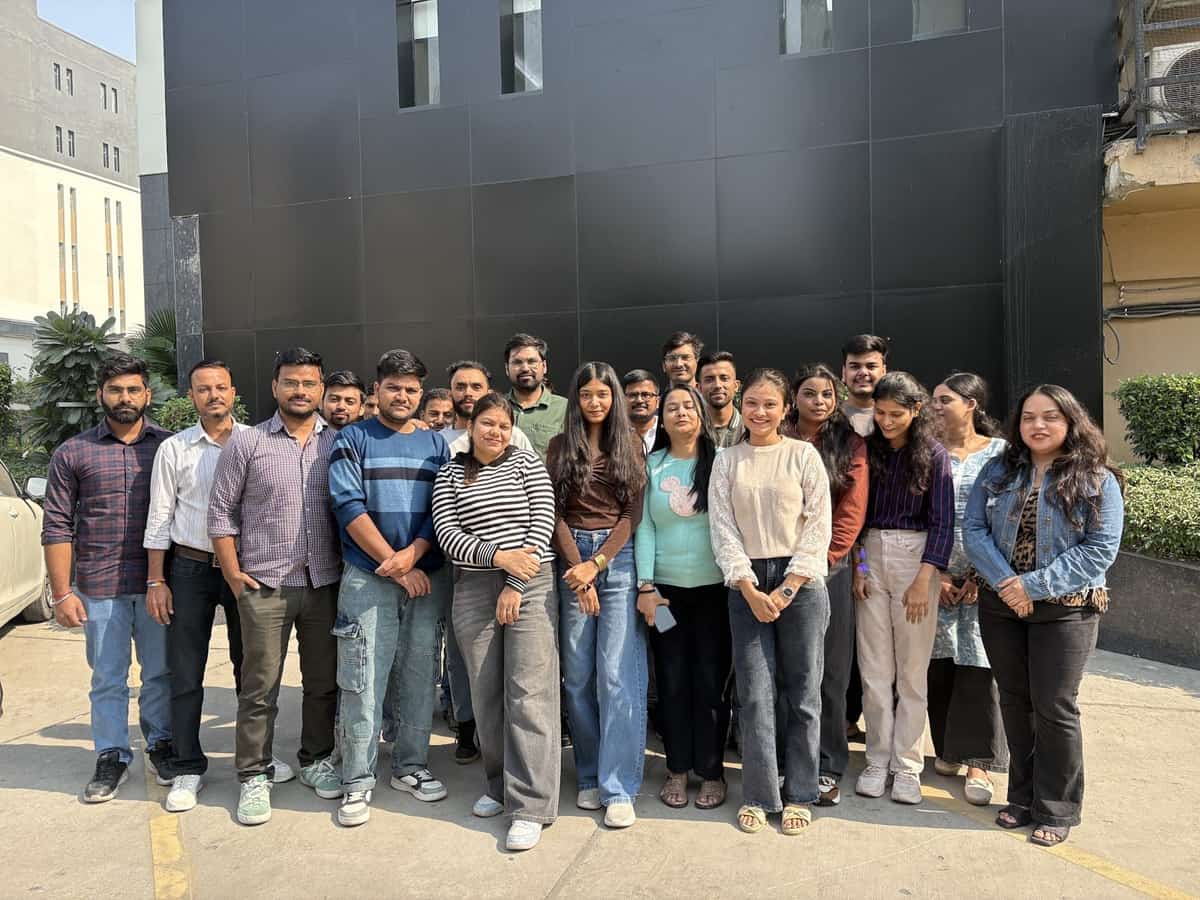
One mobile team, 14 years of shipping
projects shipped since 2012
clients across 45+ countries
AI systems running in production
on Clutch, from 33 verified reviews
Mobile app development cost and engagement models
A mobile app starts from $9,999, for iOS and Android from one cross-platform codebase. Dedicated engineers start from $1,799 a month, full-time.

Project-based
Scope, timeline and milestone payments are agreed up front. We own delivery from discovery to launch.
Best for a v1 app with a known feature set.

Dedicated team
Engineers who work only on your product, inside your process and tools.
Best for a multi-month roadmap where you own product.
Hire mobile developers
Time and materials
Pay for the hours used, with a monthly cap, while the scope is still moving.
Best for prototypes and specs still being written.
Mobile app development FAQs
Ask anything not covered here on the call.
How much does mobile app development cost?
A mobile app starts from $9,999, for iOS and Android from one cross-platform codebase. Every fixed quote follows a free discovery sprint. Dedicated engineers start from $1,799 a month, full-time.
Should we choose Flutter, React Native or native?
Go native when the app needs heavy platform-specific behaviour, gaming, advanced camera or deep background processing. Choose React Native when your team knows React or the app shares logic with a web product, and Flutter for brand-first apps with the same custom UI on every platform. Cross-platform costs less for equivalent scope.
How long does it take to build a mobile app?
An MVP takes 6 to 8 weeks. Larger apps get a written schedule after the discovery sprint, based on features, integrations and platforms, and AI coding agents help our engineers ship them faster. Post-launch iteration continues on your cadence.
Do you handle App Store and Google Play submission?
Yes. We handle App Store Connect and Google Play Console submission, store listings, screenshots, review responses and post-launch updates. The review guidelines are part of the build spec from the first sprint.
Can you take over an existing app?
Yes, after a technical due diligence phase. Most takeovers start with a four-week stabilisation sprint before steady-state maintenance.
How do you handle maintenance and OS updates?
The team that built the app stays on for maintenance, with crash monitoring through Sentry or Crashlytics. We test the app against each new iOS and Android version and keep SDKs and store requirements up to date. App Store Optimisation runs alongside if you want it.
Will I own the source code?
Yes. You own 100% of the source code and the app under the agreement signed at discovery, with full control to maintain, scale or update it.
Can you launch an MVP first?
Yes. An MVP starts from $9,999 and takes 6 to 8 weeks. We ship a smaller working app around the main idea, test it with early users, then build the full product. Booking and itinerary apps for travel and hospitality often start this way.
Their approach, dedication and project execution played a critical role in TipStars' success.
 James EllisFounder, TipStars
Native or cross-platform, answered in 30 minutes
- A free 30-minute call
- A recommendation on the approach that fits your scope
- What is realistic, what it costs and how long it takes