
Hire DevOps engineers who own your pipelines and infrastructure code
Hire DevOps engineers from our in-house team in India to build CI/CD pipelines, write your infrastructure in Terraform and run Kubernetes with monitoring that catches problems early. They work inside your repositories and cloud accounts, and you interview and choose each one.
Clutch 4.8/5 from 33 verified reviews
500+ projects since 2012 · ISO 9001:2015

to matched profiles
Trusted by teams at







- What does a DevOps engineer do?
- A DevOps engineer builds and runs the systems that move code from a developer's branch into production. The work covers CI/CD pipelines, infrastructure as code with tools such as Terraform, containers and Kubernetes, monitoring and alerting, access control and cloud cost, so a team can release often and catch failures before users do.
When to hire DevOps engineers
Hire a DevOps engineer when releases depend on the one person who knows the deploy steps, when cloud resources were created by hand in the console, or when customers report outages before an alert fires. A small team with one app on a managed platform such as Heroku or Vercel can usually wait.
DevOps skills you get
Dedicated DevOps engineers from ScalaCode take ownership of the path from commit to production and keep it written down in code.
CI/CD pipelines
Our engineers set up build, test and deploy pipelines in GitHub Actions, GitLab CI or Jenkins, with automated tests on every change and a staging step before production.
Infrastructure as code
Networks, databases, clusters and IAM written as Terraform modules, reviewed in pull requests and applied from the pipeline instead of the console.
See cloud and DevOps servicesContainers and Kubernetes
They package Docker images and Helm charts and run Kubernetes clusters on EKS, AKS or GKE, with autoscaling rules set from the traffic you see. AWS-heavy products can pair this with our AWS developers.
Monitoring and alerting
They collect metrics, logs and traces in Prometheus, Grafana, Datadog or CloudWatch and alert on what users notice, such as error rate and response time.
Site reliability work
They set service level objectives, write runbooks and run incident reviews for a live platform. Ask for this when you want to hire SRE engineers for a product that already has users.
Security in the pipeline
They keep secrets in a vault, apply least-privilege IAM and scan images, with SOC 2, HIPAA or GDPR controls written into scope when your product needs them.
Hire a DevOps engineer, an SRE or a cloud engineer
The three titles overlap. Pick the one that matches the problem costing you the most today.
| DevOps engineer | SRE | Cloud engineer | |
|---|---|---|---|
| Main job | Pipelines, infrastructure code and the release process | Reliability of live services against agreed targets | Designing, building and moving cloud environments |
| Hire when | Releases are slow, manual or risky | The product is live and every outage costs revenue | You are moving to the cloud or between clouds |
| Typical first deliverable | An automated deploy from the main branch to staging and production | Service level objectives, alerts and runbooks for critical services | A network and account layout written in Terraform |
How we vet DevOps engineers
Every DevOps engineer is a salaried employee on the ScalaCode payroll in India. We don't use freelancers or subcontractors, and these checks apply before and after an engineer joins you.
Our technical interview
Every engineer on the team passed our technical interview and coding test before joining ScalaCode.
Your interview and test
You interview each shortlisted DevOps engineer and can set your own exercise, such as fixing a broken pipeline. Nobody joins until you choose them.
Access you control
Engineers get the cloud and repository access you grant through your own IAM roles or SSO, and you can remove it at any time.
Tests and staging
Automated tests run on every change, and releases go through staging before they reach your users.
IP from the first commit
Pipelines, Terraform modules and runbooks are yours from the first commit, and NDAs are standard on every engagement.
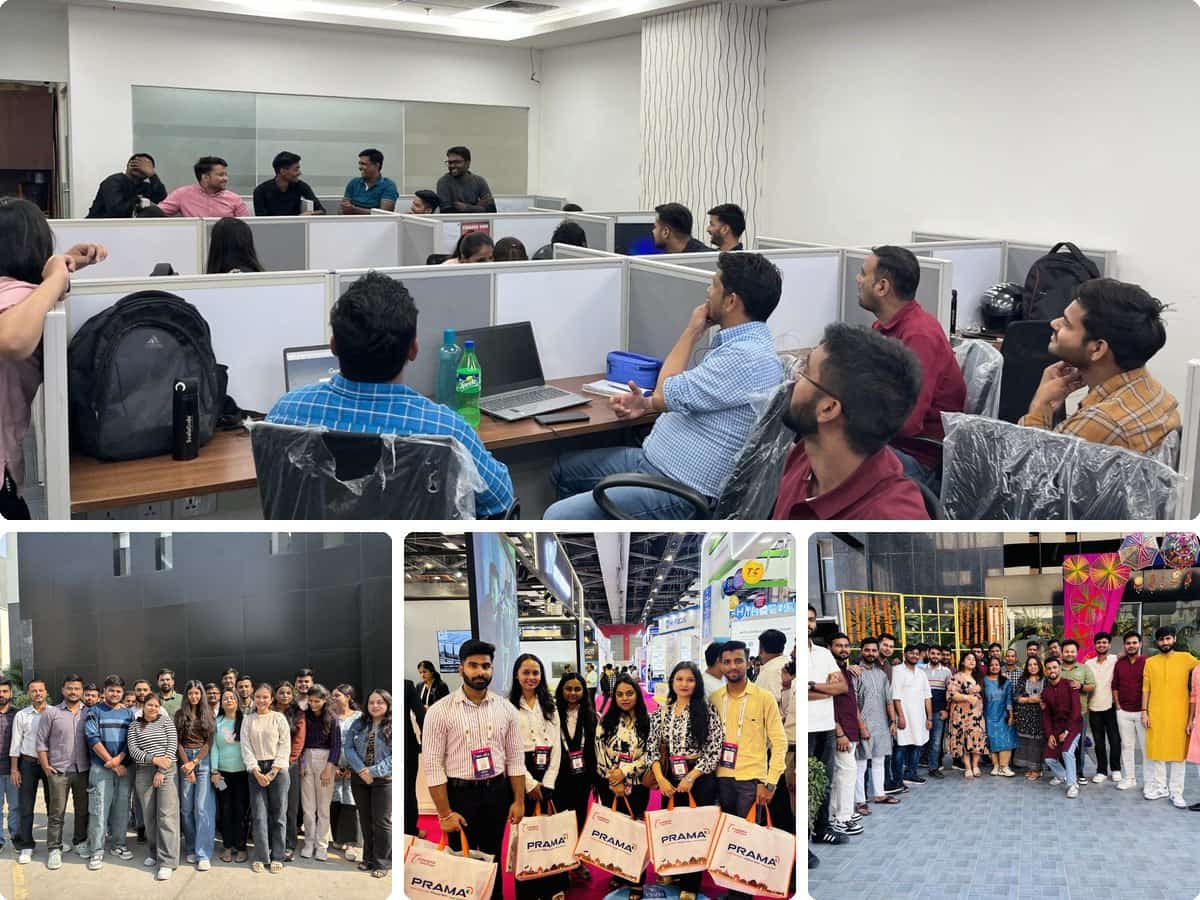
How hiring a DevOps engineer works
From first call to first commit in about two weeks for most hires. Cloud access requests are often the slowest step, so it helps to start them early.
Hand over the deploy that only one person knows how to run
Tell us the cloud, the pipeline and what keeps breaking, and matched DevOps engineer profiles follow within 48 hours.
Cost to hire DevOps engineers
Mid-level DevOps engineers start from $1,799 a month, senior engineers from $2,499 and leads from $3,499. Every rate is full-time and dedicated, 160 hours a month, billed monthly.

Dedicated DevOps engineer
One DevOps engineer who works only on your platform and takes direction from your engineering lead.
Best for a team whose releases and infrastructure have no clear owner.
Compare engagement models
Platform team
DevOps engineers with a lead, sized to a migration, a move to Kubernetes or a new platform build.
Best for a large infrastructure change with a deadline.
Compare engagement models
Team extension
DevOps or cloud engineers added to the platform team you already run, to close a skill gap.
Best for teams that need Terraform or Kubernetes depth now.
Compare engagement modelsDedicated DevOps engineers, in-house hires or contractors
| ScalaCode | Hiring in-house | Contractors | |
|---|---|---|---|
| Time to start | Profiles in 48 hours, first commit in about two weeks | Months of recruiting | Fast, quality varies |
| Who they are | Salaried ScalaCode employees in India | Your employees | Independent contractors |
| Changing team size | One to two weeks' notice | Hiring and notice periods | Find and vet each person |
| Infrastructure code ownership | Yours from the first commit | Yours | Depends on the contract |
The DevOps stack our engineers work in
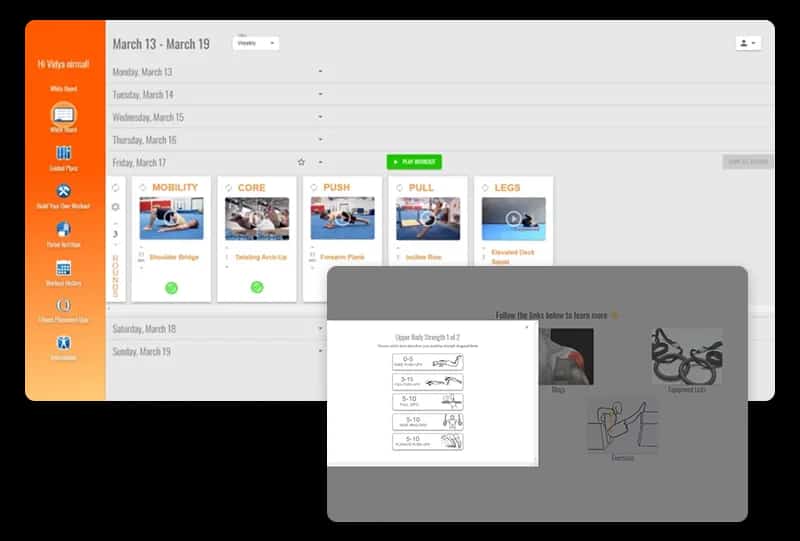
GymFit: a personalised fitness platform on AWS microservices
ScalaCode built GymFit, a web-based fitness and sports platform on AWS microservices. Users get exercise recommendations with video tutorials, diet plans matched to their metrics and goals, and calendar reminders, with premium tools on a subscription.
microservice hosting
Rated 4.8/5 by the clients we build for
Verified reviews from Clutch and GoodFirms, and clients on camera.

33 verified reviews on Clutch
 Clutch review★★★★★
“What set ScalaCode apart was their deep understanding of both the technical and practical aspects of our industry.”
 GoodFirms review★★★★★
“Their team demonstrated deep knowledge in cloud security, automation, and performance optimization, allowing us to handle vast amounts of financial data efficiently.”
“Their approach, dedication and project execution played a critical role in TipStars' success.”
Clutch review★★★★★“What sets ScalaCode apart is their technical AI expertise and an understanding of a client's organizational ethos.”
Clutch review★★★★★“They understood the business side of our requirements and often brought up solutions or ideas we hadn't considered.”
GoodFirms review★★★★★“They built a high-performance, AI-powered platform that transformed video engagement for learning.”
Clutch review★★★★★“What stood out to us as most impressive and unique about ScalaCode was their ability to humanize complex AI.”
Hire DevOps engineers FAQs
Bring your architecture diagram, your pipeline and your start date to the call.
How much does it cost to hire a DevOps engineer?
Dedicated DevOps engineers start from $1,799 a month for a mid-level engineer, $2,499 for a senior engineer and $3,499 for a lead. Each rate is full-time and dedicated, 160 hours a month, billed monthly. A fixed-scope cloud migration starts from $4,999.
How fast can a DevOps engineer start?
Matched profiles reach you within 48 hours of the first call. After you choose, onboarding takes about a week, so most DevOps engineers make their first commit around two weeks after that call. Starting cloud and VPN access requests early keeps that week short.
Should we hire a DevOps engineer or an SRE?
Hire a DevOps engineer first if releases are manual or your infrastructure lives in the console. Hire an SRE once the product is live and downtime costs enough to justify service level objectives and incident reviews. Many teams start with one DevOps engineer who covers both until traffic grows. Teams training their own models add an MLOps engineer.
Can a DevOps engineer work in our AWS, Azure or Google Cloud accounts?
Yes. The engineer works in your cloud accounts through IAM roles or SSO that you set up, and the accounts, billing and root access stay with you. Infrastructure changes go through your repositories and pipeline, so each one is reviewed and logged.
We already use CloudFormation or Pulumi. Do your engineers only work in Terraform?
Our engineers write Terraform most often and also work in Pulumi, CloudFormation and Bicep. They extend the tool you already have, because switching infrastructure-as-code tools in the middle of a project rarely pays for itself.
Can your DevOps engineers join our on-call rotation?
Yes, when on-call is agreed in the contract. On-call hours, escalation paths and response times are written down before the engineer joins a rotation, and the engineer works in whichever alerting and incident tools your team already uses.
How do you keep production safe when a new engineer gets access?
Access starts narrow and widens when you decide. Infrastructure and pipeline changes go through pull requests and code review in your repositories, automated tests run on every change, and releases go through staging before production.
Who owns the pipelines and infrastructure code?
You do, from the first commit. Pipelines, Terraform modules, runbooks and dashboards live in your repositories and your cloud accounts, and NDAs are standard on every engagement.
What happens if the DevOps engineer is not the right fit?
Tell us and we share new profiles. You interview the replacement the same way, and a change usually needs one to two weeks' notice.
Can DevOps engineers work in our time zone?
Yes. Our DevOps engineers work from India and overlap 4 to 6 hours of the US working day and most of the UK and European day. Stand-ups, code reviews and release windows happen inside that overlap.
Your engineers work in your hours
Timezone overlap is built in. Your matched engineers keep 4 to 6 hours of daily overlap with US hours and a full working day with the UK, Europe and the Middle East, so standups, reviews and fixes land during your working day.
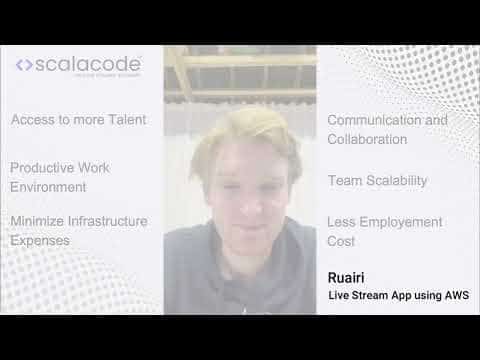
 Watch Ruairi's review
Rally Sports: a live-stream app on AWS
Tell us what keeps breaking and we will send matched DevOps engineers
- DevOps profiles matched on cloud and tooling within 48 hours
- You interview and choose who joins
- Pipelines and infrastructure code stay in your accounts

“Their approach, dedication and project execution played a critical role in TipStars' success.”
James Ellis, Founder, TipStars