
Logistics software development for fleets, warehouses and supply chains
Logistics software development for fleet tracking, route optimization, WMS and TMS, plus the integrations that tie every leg of your supply chain together. Designed for traffic, weather and dead zones on the road.
daily overlap with your team
building software since 2012
projects shipped since 2012
AI systems running in production
clients in 45+ countries
on Clutch, from 33 verified reviews
Trusted by teams at







What logistics software development covers
The systems that move goods, and the links between them.
- What is logistics software development?
- Logistics software development is the engineering of systems that plan, track and run the movement of goods. It covers fleet management and GPS telematics, route optimization, last-mile dispatch, warehouse and transport management (WMS and TMS), predictive maintenance, and integrations that connect 3PLs, carriers, freight forwarders and ERP systems to one shared dataset.
Four reasons logistics software fails on the road
Routes planned for an ideal day
Static plans ignore traffic, weather, time windows and load limits. We build route engines that re-plan during the day when conditions change.
Apps that die without signal
Drivers lose coverage and warehouses have dead zones, so scans and proof of delivery go missing. Our apps keep working offline and sync when they reconnect.
Data re-keyed between partners
Most delays sit in the handoffs between 3PLs, carriers and ERP. We connect them so the whole chain works from one source of truth.
Breakdowns that strand loads
Maintenance on a fixed schedule misses the failures that matter. We train models on vehicle and equipment data to flag them early.
Logistics software we build
From a single delivery fleet to a multi-warehouse network.
Fleet management and telematics
GPS tracking, vehicle health monitoring and driver apps, so you know where every vehicle is and how it is performing.
See mobile app developmentRoute optimization
Our route engines plan around traffic, time windows and load capacity, then re-plan during the day when conditions change.
Last-mile and dispatch
Dispatch boards, proof of delivery and live customer tracking cover the last mile, the most expensive leg of the trip.
WMS and TMS
We build or extend WMS and TMS covering inbound, putaway, picking, load planning and carrier selection.
Predictive maintenance
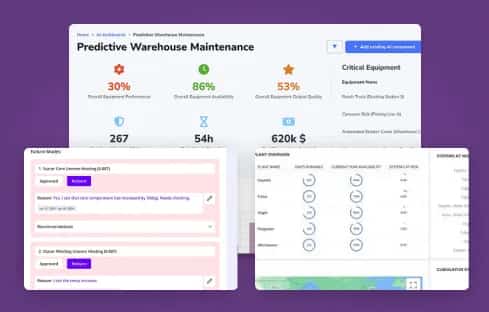
Our models flag a vehicle or piece of equipment before it fails and strands a load.
Supply-chain integration
We connect 3PLs, freight forwarders, carrier APIs and ERP, so data is entered once across every platform.
See custom software developmentRunning a fleet, a warehouse or a 3PL network?
Talk to us about the one flow worth shipping first.
Fleet management, warehouse and supply chain software by segment
A last-mile fleet and a 3PL warehouse need different first builds. These are the four we see most.
Fleet and last-mile delivery
Driver apps cover live tracking, routing, dispatch and proof of delivery, and keep working without signal. Telematics from the vehicle itself is covered under automotive software.
Warehousing and 3PL
We connect WMS, inventory and partner systems, so stock levels match across every system.
Freight and transport
We build TMS, carrier selection and load planning for full and part loads.
Supply chain and traceability
Visibility across every leg, with blockchain where several parties need a shared record.

Ship one flow, then scale across the network
If you need an engineer riding the route with your drivers every day, the timezone gap from India makes that hard. For the platform, the route engine and the integrations, 4 to 5 hours of daily overlap is enough.
The logistics software stack we work in
Picked for offline use, location accuracy and the partner systems you already depend on.
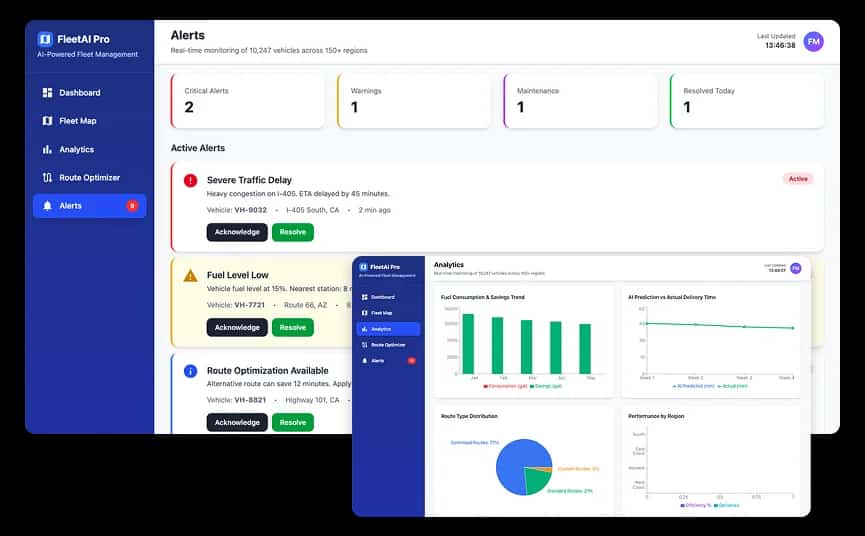
AI fleet optimisation: route planning and delivery time prediction for a logistics fleet
ScalaCode built an AI fleet optimisation system for a logistics enterprise. A Python and TensorFlow engine plans routes from live traffic and weather data and predicts delivery times, and fleet managers monitor every vehicle from a Vue.js dashboard.
route adjustments
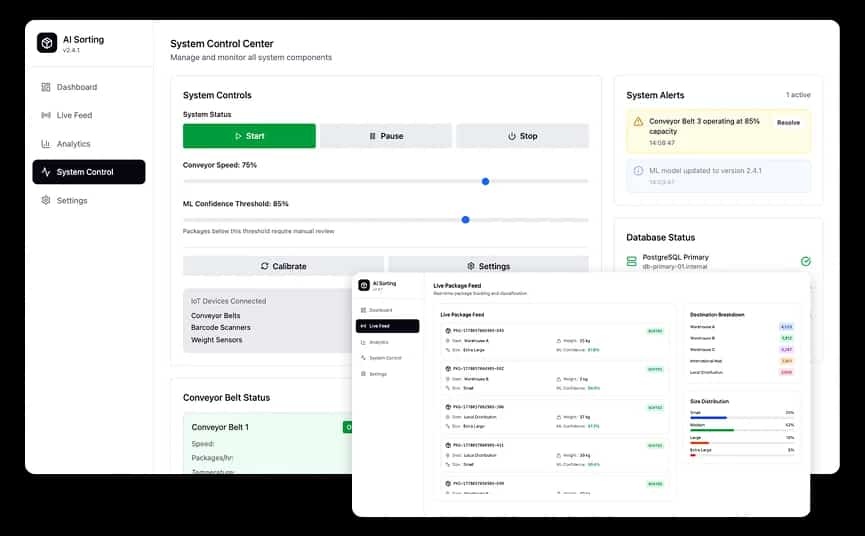
ScalaCode vs the alternatives
Logistics runs on thin margins. The table compares cost and fit across the usual options.
| In-house hire | Generalist agency | Logistics SaaS vendor | ScalaCode | |
|---|---|---|---|---|
| Cost per dedicated engineer | High | Variable | License-locked | From $1,799 a month, published |
| Custom to your network | Yes | Sometimes | Rarely | Yes |
| Route and predictive AI | Rare | Rare | Add-on | Core |
| Integrates 3PL and ERP | Depends | Sometimes | Often closed | Yes |
| Same team over time | Yes | Often no | Not applicable | Yes |
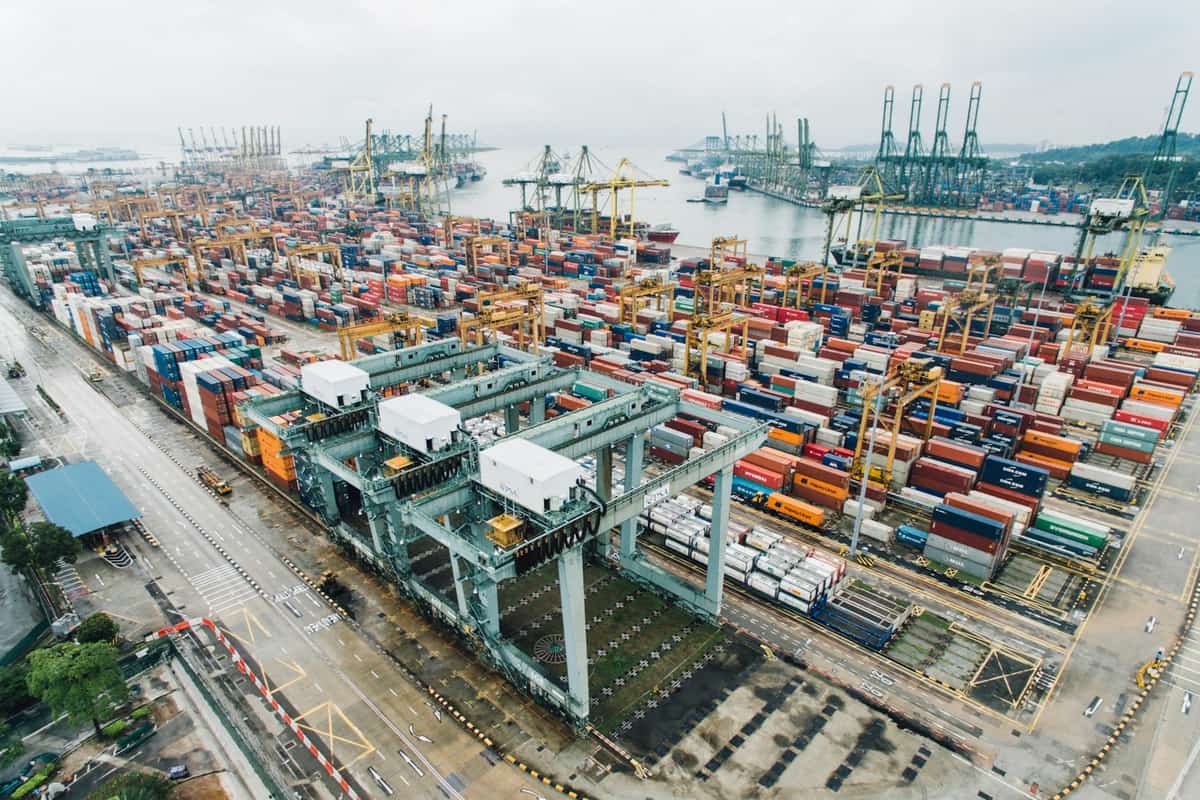
One team, 14 years of shipping
projects shipped since 2012
AI systems running in production
clients across 45+ countries
years building software, since 2012
Rated 4.8/5 by the clients we build for
Verified reviews from Clutch and GoodFirms, and clients on camera.

33 verified reviews on Clutch

 GoodFirms review★★★★★
“Working with ScalaCode was a fantastic experience, marked by their expertise and support.”
 Clutch review★★★★★
“ScalaCode has a lot of transparency. They also have excellent engineers who work quickly.”
GoodFirms review★★★★★“The app has transformed our operations, enabling real-time order tracking, reducing manual paperwork, and improving communication across departments.”
Clutch review★★★★★“What sets ScalaCode apart is their technical AI expertise and an understanding of a client's organizational ethos.”
Clutch review★★★★★“They understood the business side of our requirements and often brought up solutions or ideas we hadn't considered.”
GoodFirms review★★★★★“They built a high-performance, AI-powered platform that transformed video engagement for learning.”
Clutch review★★★★★“What stood out to us as most impressive and unique about ScalaCode was their ability to humanize complex AI.”
Logistics software development FAQs
We will answer any other question on the call.
How much does logistics software development cost?
Every build starts with a free discovery sprint. An MVP such as a driver app starts from $9,999, custom software from $9,999 and enterprise software from $24,999. Dedicated engineers start from $1,799 a month, full-time.
Can you integrate with our ERP, TMS or WMS?
Yes. We connect ERP, TMS and WMS platforms, 3PLs, freight forwarders and carrier APIs to one shared dataset, so nobody re-keys data between systems. Where a partner has no API, we use EDI, file exchange or a small integration service. Connecting these systems is often part of a wider digital transformation of manual handoffs.
How do you handle real-time GPS tracking at scale?
Devices stream positions to an ingestion layer built for high message volumes, and the dispatch board and customer tracking pages receive updates as they arrive. Position history goes to a time-series store for ETAs, analytics and delivery disputes. We size the setup for your fleet and peak hours during discovery.
Can drivers use the app offline?
Yes. Offline-first apps keep capturing scans, status updates and proof of delivery, then sync automatically when the device reconnects.
How can AI improve route planning?
Route engines plan around traffic, weather, time windows and load capacity, then re-plan during the day when a delay or a new order comes in. Models trained on your delivery history improve ETA and stop-time estimates over time. Planners keep the final say on every route.
How long does a logistics software project take?
A first flow, such as a tracking app or a route engine, ships first. A full WMS, TMS or multi-partner platform rolls out in stages across fleets and sites, on a schedule set in discovery, and AI coding agents help our engineers build it faster.
How fast can a team start?
Usually within days, because the team comes from our existing bench. We agree the scope, you approve the engineers, and they join your tools.
Who owns the code and data?
You do. IP assignment is in the contract, NDAs are standard, and we set access controls to protect your operational data.
Working with ScalaCode was a fantastic experience, marked by their expertise and support.
Scope your first logistics flow in 30 minutes
- Advice from a team that has built fleet and warehouse systems
- The one flow worth shipping first, and what it takes
- Free, with no obligation to build with us