
Government software development for citizen services and public records
Government software development for citizen portals, case management, public registers and legacy modernisation. Built to the WCAG level your policy sets, hosted where your data residency rules require, and delivered by an in-house team in India.
clients in 45+ countries
building software since 2012
projects shipped since 2012
AI systems running in production
on Clutch, from 33 verified reviews
9001:2015 certified delivery process
Institutions and global brands we have worked with






What government software development covers
The software that runs public services and the records behind them.
- What is government software development?
- Government software development is the engineering of software that public bodies use to deliver services and keep records. It covers citizen portals and online forms, case management for staff, public registers such as land and licence records, payments, data platforms and the modernisation of legacy systems, built to accessibility, data residency and audit requirements set by law and policy.
Where public sector software fails the people who use it
Forms that fail on a phone or a screen reader
Many people apply on a mobile phone, and some use assistive technology. A form built for a desktop browser turns them away. We build mobile-first to the WCAG level your policy names and check it before each release.
Online forms that end in re-keying
The citizen applies online, then staff type the answers into the case system, and errors creep in at each copy. Submissions go straight into case management with the documents attached.
Records locked in an ageing system
The register works, but no other service can read it, so each new service builds its own copy of the data. We put an API in front of the old system and move services across one at a time.
Data hosted outside the jurisdiction
A vendor default region can put citizen data in a country your rules do not allow. We deploy to the cloud region or the servers your residency rules require.
Government software we build
For agencies, councils, public bodies and the prime contractors that serve them.
Citizen portals and online forms
Residents apply, pay, upload documents and track status on any phone.
See web application developmentCase management
Staff work each application from queues with assignments, deadlines and an audit log, often the first step of a wider digital transformation.
Public registers and records
We build land, licence and permit registers with search, change history and role-based access.
Legacy system modernisation
We put APIs around the old system first, then move services across in stages while the public keeps using them.
See legacy modernisationAI assistants for citizen questions
The assistant answers from your published guidance, shows its sources and hands off to staff.
See AI chatbots and assistantsData platforms and reporting
Pipelines and dashboards give managers service data without manual exports.
See data engineeringReplacing a paper step or an ageing system?
Talk to us about the one service worth moving first.
Citizen service platforms by service type
Most public services follow one of four shapes. Each needs a different first build.
Licences and permits
Residents apply, pay, track and renew online, while staff review every case from one queue.
Benefits and grants
We build eligibility checks, evidence upload and payments, and record every decision for appeal.
Registers and public records
Land, property and licence records with public search and a full change history.
Consultations and feedback
We run surveys and consultations in several languages and show results on a live dashboard.
Accessibility, data residency and security in public sector software
These requirements come from your laws and policies. We write them into scope during discovery and test against them in each release.
Accessibility
The WCAG level your policy names, usually 2.1 or 2.2 AA under Section 508 or EN 301 549, goes into the acceptance criteria.
Data residency
We host in the cloud region or on the servers your rules require, and keep backups in the same jurisdiction.
Audit trail
Every change to a case or a record is logged with who made it and when.
Security controls
SOC 2 and GDPR controls such as access control, encryption and logging are written into scope during discovery.
Multilingual services
Forms, notices and surveys appear in the languages your residents use.
ISO 9001:2015
Our certified delivery process runs automated tests on every change and takes each release through staging.
Ship one service, then extend it
Our team works from India, with 4 to 5 hours of daily overlap. If your procurement requires onshore staff, security clearance or work on government premises, check that first, because an offshore team cannot meet those terms. Where the rules allow an offshore team, we build for the public body directly or for a prime contractor.
The public sector software stack we work in
Picked for long service lives, open standards and the hosting your rules allow.
Public sector and accessibility work
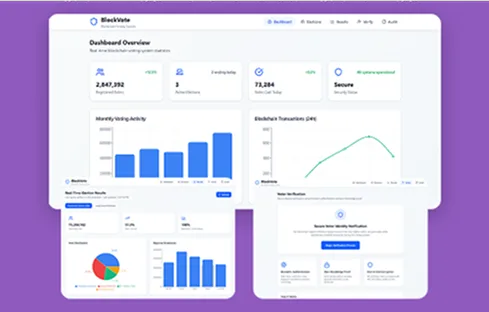
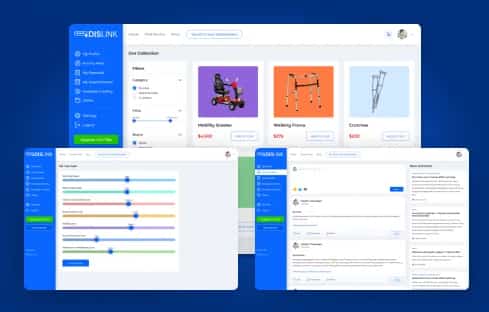
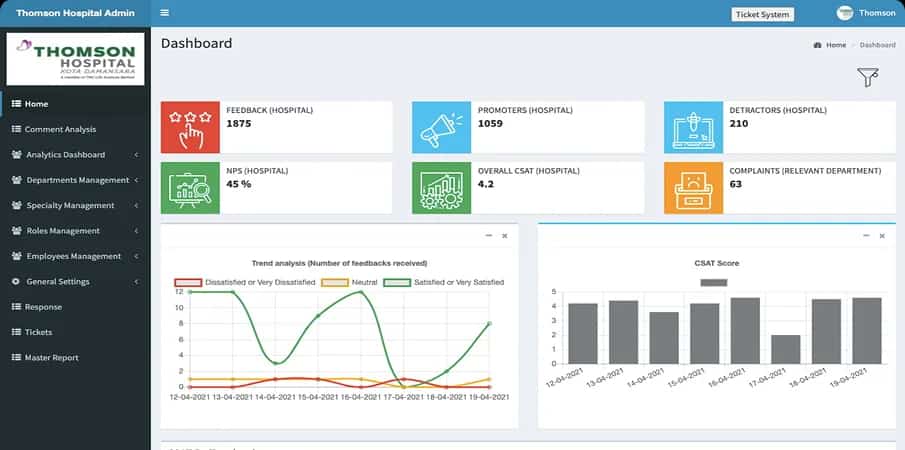
Two public sector builds from our portfolio, plus two from nearby sectors. DISLINK is an accessible booking app for disability services. Thomson Hospital is a multilingual survey platform with a live dashboard, the closest match to a public consultation service.
One team, 14 years of shipping
projects shipped since 2012
AI systems running in production
clients across 45+ countries
years building software, since 2012
Rated 4.8/5 by the clients we build for
Verified reviews from Clutch and GoodFirms, and clients on camera.

33 verified reviews on Clutch

 Clutch review★★★★★
“What sets ScalaCode apart is their technical AI expertise and an understanding of a client's organizational ethos.”
Clutch review★★★★★“They understood the business side of our requirements and often brought up solutions or ideas we hadn't considered.”
 GoodFirms review★★★★★
“They built a high-performance, AI-powered platform that transformed video engagement for learning.”
Clutch review★★★★★“What stood out to us as most impressive and unique about ScalaCode was their ability to humanize complex AI.”
GoodFirms review★★★★★“Scalacode delivered a secure, scalable, and efficient platform exceeding our expectations.”
Clutch review★★★★★“They gave us clear timelines and met them.”
GoodFirms review★★★★★“Working with ScalaCode was a fantastic experience, marked by their expertise and support.”
Government software development FAQs
We will answer any other question on the call.
How much does government software development cost?
Every build starts with a free discovery sprint. A single citizen service starts from $9,999 and multi-service platforms from $24,999. Dedicated engineers start from $1,799 a month, full-time, which suits prime contractors adding capacity.
Can you build to WCAG 2.1 or 2.2 AA?
Yes. The level your accessibility policy names goes into the acceptance criteria, and each release is checked against it on staging before it goes live. DISLINK, an accessible booking web app we built for disability services, is one example.
Where will citizen data be stored?
Wherever your rules require. We deploy to an in-country region of AWS, Azure or Google Cloud, or to your own servers, and keep backups and logs in the same jurisdiction. Hosted AI models are only used where your rules allow the data to reach them.
Can you work within our procurement rules?
Often, but check the rules first. Our team works from India, so contracts that require onshore staff or security-cleared personnel rule out working with us. Where an offshore team is allowed, we work directly with the public body or as a delivery partner to a prime contractor.
Can you modernise a legacy system without stopping public services?
Usually, yes. We put an API in front of the old system, build new services against it, and move records and functions across in stages, so the public-facing service keeps running throughout. The order of the stages is agreed with your team during discovery.
Is blockchain worth it for voting or land records?
Rarely as the first choice. A database with an append-only audit log covers most record-keeping needs at lower cost. A shared ledger helps when several bodies that do not trust a single operator must keep one record. We have built both a blockchain voting system and a land records web app, and the choice depends on who has to trust the record.
Can we add AI to citizen services safely?
Yes, with limits. An assistant answers from your published guidance, shows the source for each answer, hands the case to staff when it is unsure, and logs every exchange for review. Decisions about benefits, licences or enforcement stay with people.
Who owns the code and the data?
You do. IP assignment is in the contract, NDAs are standard, and code and data stay in repositories and cloud accounts you control.
They understood the business side of our requirements and often brought up solutions or ideas we hadn't considered.
Scope your first public service in 30 minutes
- The one service worth moving first, and what it takes
- A check on accessibility, residency and procurement fit
- Free, with no obligation to build with us