
AI engineering services for RAG, LLMs, agents and ML
We build the engineering layer of AI products: retrieval, models, agents, evaluation and serving. Each system is tested against your own data before launch and monitored after it.
building software since 2012
projects shipped since 2012
AI systems running in production
clients in 45+ countries
on Clutch, from 33 verified reviews
9001:2015 certified delivery process
What AI engineering covers
- What is AI engineering?
- AI engineering is the work of turning AI models into reliable software: preparing data and retrieval, choosing and adapting models, building agents and tools, and running evaluation, monitoring and cost control in production. It sits between data science, which explores what is possible, and product engineering, which ships it.
AI engineering services we offer
Pick by the problem you have. Each page explains the approach, timeline and price.
RAG development
We ground LLM answers in your documents and databases, with sources your team can check.
See RAG developmentAI agent development
Our agents plan a task, call your tools and act, with a human approval step where judgment matters.
See AI agent developmentLLM development
We select models, fine-tune when prompts and RAG fall short, and serve them at the latency and cost you need.
See LLM developmentGenerative AI
We build copilots, content generation and document workflows into the products your users already open.
See generative AIAI development
One team designs, builds and runs your AI features and products, from proof of concept to production.
See AI developmentMachine learning
We train forecasting, scoring and classification models on your data and monitor them after launch.
See machine learningAI voice agents
Voice agents that answer calls, book appointments and hand off to people when a call needs one.
See AI voice agentsNLP and sentiment analysis
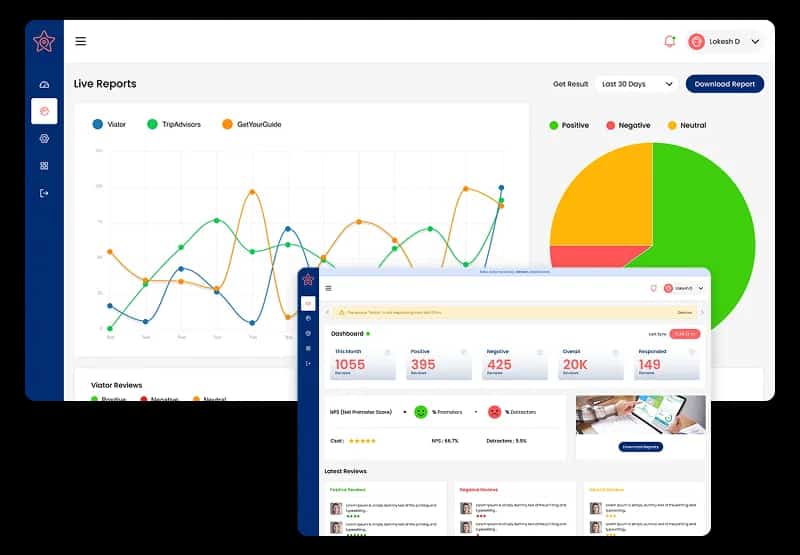
We classify text, extract entities and analyse sentiment across tickets, reviews and documents.
See NLP and sentiment analysisMultimodal AI
These models read images, documents and text together, such as plans, forms and product photos.
See multimodal AISmall language models
Smaller models tuned for one task cost less to run and can be deployed on your own infrastructure.
See small language modelsMCP server development
Model Context Protocol servers give AI assistants safe, scoped access to your tools and data.
See MCP server developmentWhich AI engineering approach fits your problem
Don't fine-tune for a knowledge problem. Use RAG when the answer depends on information that changes or is proprietary.
| RAG | Fine-tuning | Prompt engineering | |
|---|---|---|---|
| How it works | Retrieves your documents at query time and answers from them | Changes the model's weights with training examples | Instructions and examples in the prompt |
| Best for | Knowledge that changes or is private | A style, format or specialized task | Simple tasks on public knowledge |
| New information | Available as soon as it is indexed | Needs another training run | Limited to what fits in the prompt |
| Cites its sources | Yes, passage by passage | No | No |
| Where it falls short | Only as good as retrieval quality | Cost of training data and retraining | Breaks on large or private corpora |
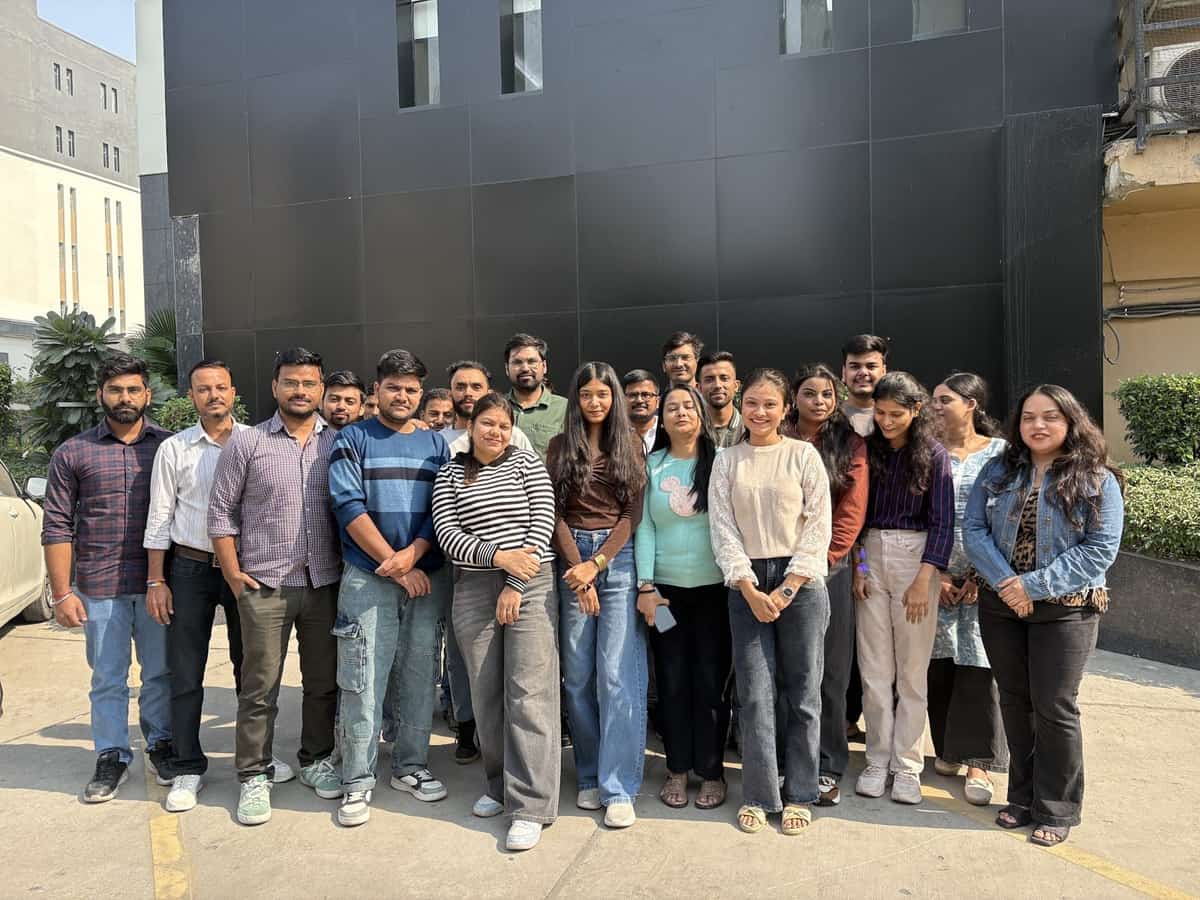
One team, 14 years of shipping
projects shipped since 2012
AI systems running in production
clients across 45+ countries
years building software, since 2012
AI engineering FAQs
Anything not covered here, ask on the call.
What is the difference between AI engineering and data science?
Data science explores data and tests whether a model can solve a problem. AI engineering builds the production system around that model: retrieval, APIs, guardrails, evaluation, monitoring and cost control, so it keeps working once real users depend on it.
Which models do you work with?
OpenAI, Anthropic Claude and Google Gemini through their APIs, and open-weight models such as Llama and Mistral when data has to stay on your infrastructure. We benchmark candidates on your data before choosing.
Do you fine-tune models or use RAG?
RAG first when the answer depends on your documents or data that changes. We fine-tune when the gap is style, format or a narrow task, and only after prompts and retrieval have been tried.
Can you deploy on our own cloud or on-premise?
Yes. We deploy on AWS, Azure, Google Cloud or your own servers, including open-weight models for teams whose data cannot leave their environment.
How do you evaluate AI quality before launch?
We build a golden test set from real questions and expected answers, then score retrieval and answers against it. Every model, prompt or data change runs against that set before release.
How long does an AI engineering project take?
A proof of concept takes 3 to 4 weeks. The discovery sprint fixes the production timeline in writing before the build starts, and our engineers use AI coding agents to build faster.
One team, matched to your working hours
We schedule 4 to 6 hours of daily overlap with US time and a full working day with the UK and Europe, so reviews, demos and fixes happen during your working hours.
What sets ScalaCode apart is their technical AI expertise and an understanding of a client's organizational ethos.
Find out which AI approach fits your problem
- A free 30-minute call
- What is realistic, what it costs and how long it takes
- No obligation to build with us afterwards

“Their approach, dedication and project execution played a critical role in TipStars' success.”
James Ellis, Founder, TipStars