
Digital transformation services that replace paper, spreadsheets and legacy tools
ScalaCode maps how work moves through your teams today, then replaces paper forms, spreadsheets and ageing tools with web and mobile software connected to the systems you already run. Each phase goes live with the staff who use it before the next one starts.


500+ projects shipped since 2012
ISO 9001:2015 certified, Clutch 4.8/5
clients across 45+ countries
Trusted by teams at







Clutch 4.8/533 verified client reviews
GoodFirmsReviewed software partner
ISO 9001:2015Certified delivery process
GDPR compliantData handled under EU rules
What digital transformation services cover
In practice it means software that replaces a specific manual process, connected to the systems around it.
- What are digital transformation services?
- Digital transformation services help an organisation replace manual and outdated ways of working, such as paper forms, spreadsheets, email approvals and legacy applications, with connected software. The work covers process mapping, custom web and mobile applications, integration with ERP and CRM systems, data migration, reporting and staff rollout, delivered in phases so operations keep running.
Related: enterprise software development, custom software development and data engineering.
What changes when a manual process moves into software
Each row comes from a process we have replaced for a client, from hospital feedback forms to field inspections and store stock counts.
| Paper, spreadsheets or a legacy tool | Connected software | |
|---|---|---|
| Capturing data | Handwritten forms typed up later, or a tool with fields nobody fills in | A web or mobile form with only the fields the job needs, checked as it is entered |
| Moving data between systems | Exports to Excel and manual re-entry into the ERP | An API sync with the ERP, with a log for every record |
| Seeing what is happening | A report someone assembles at the end of the week | A dashboard that updates as responses and jobs arrive |
| Acting on problems | Issues wait in a pile of forms or an inbox | Rules route each issue to the team that owns it |
| Working on the move | Clipboards, or an old handheld on an unsupported system | Android and iPhone apps with scanning, photos and offline sync |
Enterprise digital transformation work we deliver
Each piece replaces something your staff do by hand today.
Process mapping
Workshops with the people who run the process, ending in a written map of every form, approval and system hand-off, and the order to replace them.
Paper and spreadsheet replacement
Forms, logs and trackers moved into a web app with validation, roles and an audit trail, so data is entered once.
Field, store and warehouse apps
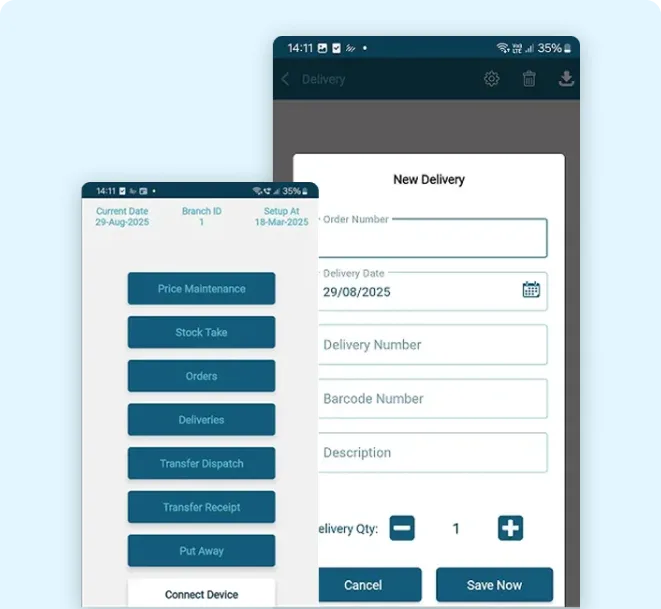
Android, iPhone and rugged-device apps with barcode scanning, photos and offline work that syncs later.
See mobile app developmentERP and CRM integration
We connect new tools to NetSuite, SAP, Salesforce or Microsoft Dynamics through their published APIs, so nobody re-keys data.
Legacy application replacement
We rebuild DOS terminals, Windows handhelds and ageing desktop apps on a supported stack, one module at a time.
See enterprise software developmentLive dashboards and reporting
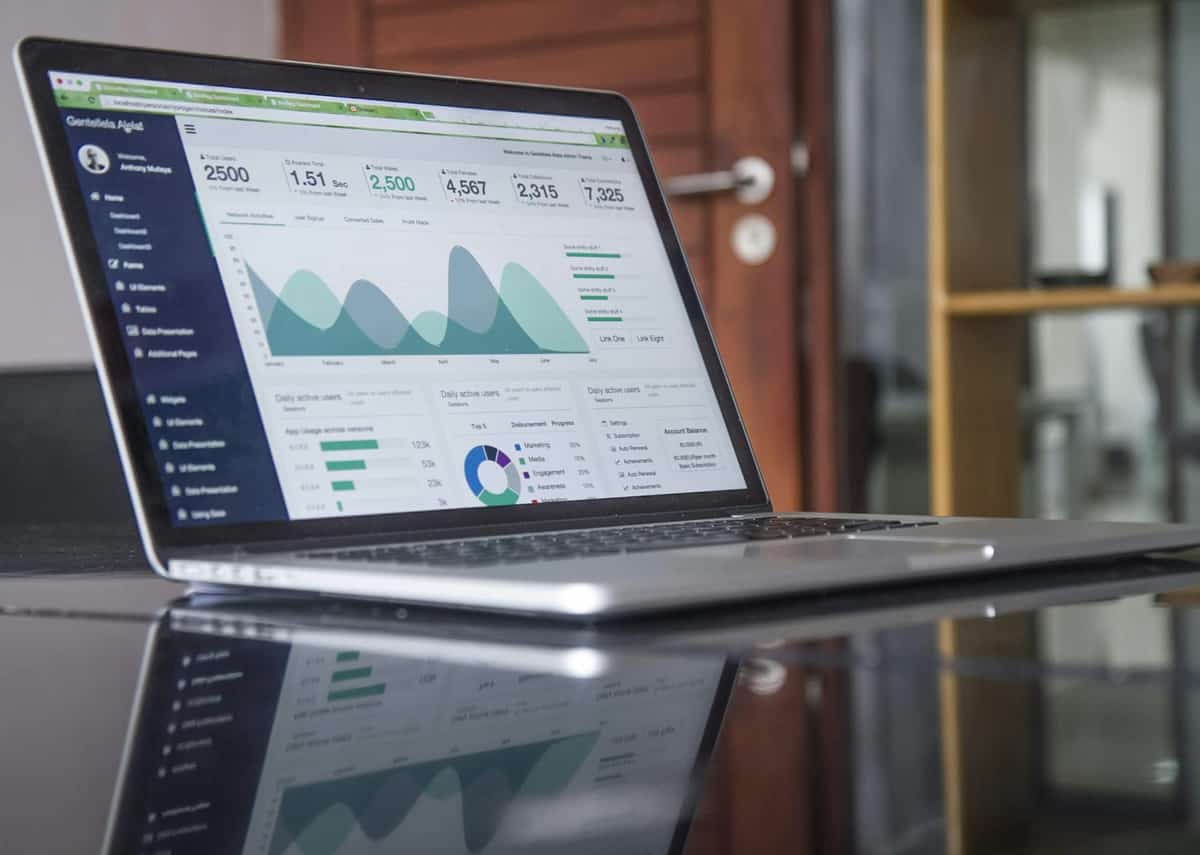
Dashboards update as data arrives, so nobody assembles a weekly spreadsheet by hand.
See data engineeringWorkflow automation and alerts
Approvals, tickets and notifications that route work to the right team, such as negative feedback becoming a ticket for the department concerned.
AI in existing workflows
Document extraction, classification and assistants, added once the process is digital and the data is clean.
See AI integrationSend us the spreadsheet your operation depends on
In 30 minutes the ScalaCode team will tell you what to replace first, what to keep and what the first phase costs.
Legacy system modernisation: four places projects start
Start with the process that costs the most staff time or causes the most errors. A small first phase that goes live earns support for the next one.
Paper forms and clipboards
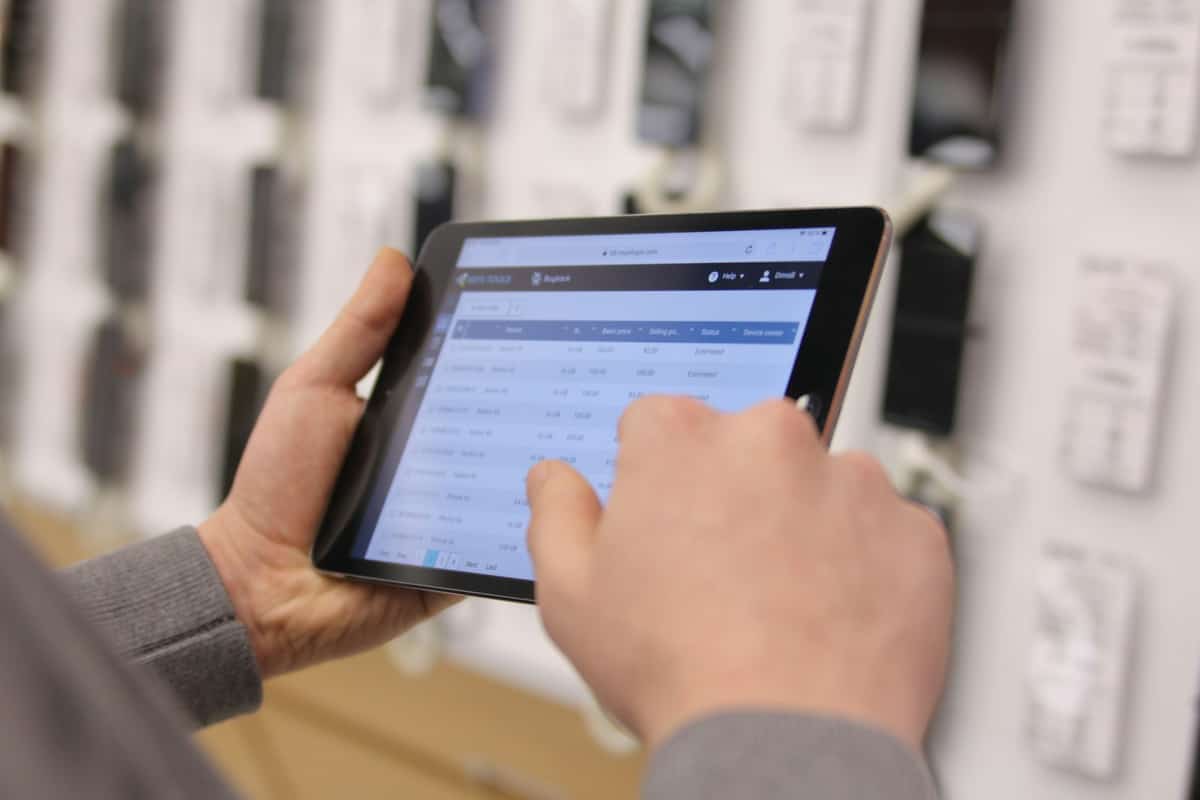
Inspections, surveys and checklists get captured on paper and typed up later, if at all, a pattern we also see in public sector services.
Spreadsheets between systems
Staff export data from one system into Excel, edit it, then re-key it into another.
Software staff work around
An off-the-shelf tool gets overloaded with fields and tabs, and we replace it with screens built for the job.
Ageing devices and terminals
DOS or Windows handhelds replaced with Android apps on current hardware, keeping data formats the back office still reads.
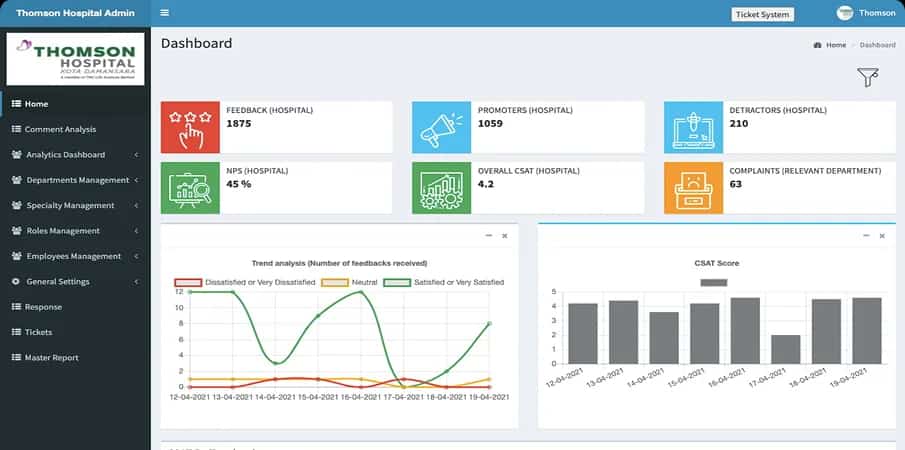
Thomson Hospital: a patient survey platform with a real-time dashboard
ScalaCode built a multi-tiered, multilingual survey platform for Thomson Hospital. Patients open surveys from a QR code or an SMS, email or WhatsApp message, administrators read the results on a live dashboard, and negative feedback becomes a complaint ticket for the department concerned.
survey channels
How we run a digital transformation project
Each phase replaces one whole process, and the old way stays available until the new one is in daily use.
The stack behind our digital transformation work
Chosen per project, to fit the platforms, devices and skills your team already has.
One team, 14 years of shipping
projects shipped since 2012
AI systems running in production
clients across 45+ countries
years building software, since 2012
Digital transformation cost
Each phase is scoped in a free discovery sprint. A single application that replaces a manual process starts from $9,999, and phased enterprise programmes start from $24,999.

Phased project
Scope, milestones and price agreed per phase after process mapping. We own delivery of each phase to rollout.
Best for replacing one process or system at a time.
Dedicated team
Engineers who work only on your programme, inside your process and tools, from $1,799 a month.
Best for a programme that moves through several processes.

Time and materials
Pay for the hours used while the scope is still moving.
Best for audits, single integrations and requirements still being written.
Rated 4.8/5 by the clients we build for
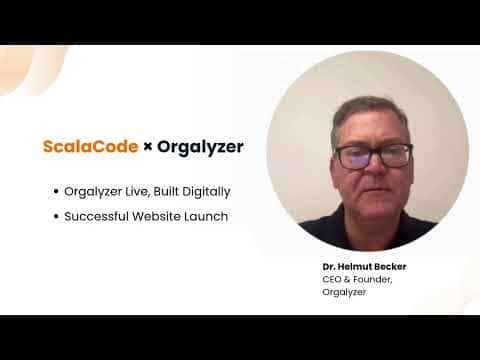
Verified reviews from Clutch and GoodFirms, and clients on camera.
33 verified reviews on Clutch
 Clutch review★★★★★
“Working with ScalaCode was a rewarding experience. They brought structure, innovation, and a deep sense of partnership to the project, helping us take a meaningful step forward in how we manage and support our growing product ecosystem.”
 GoodFirms review★★★★★
“They translated complex requirements into an intuitive, scalable solution.”
GoodFirms review★★★★★“The app has transformed our operations, enabling real-time order tracking, reducing manual paperwork, and improving communication across departments.”
Clutch review★★★★★“I'm mostly impressed by ScalaCode's skill set and experience in troubleshooting.”
Clutch review★★★★★“They understood the business side of our requirements and often brought up solutions or ideas we hadn't considered.”
GoodFirms review★★★★★“Scalacode delivered a secure, scalable, and efficient platform exceeding our expectations.”
“In our project, we need flexibility, and ScalaCode offers that consistently.”
Digital transformation services FAQs
Each phase is scoped in a free discovery sprint. Ask anything not covered here on the call.
How much do digital transformation services cost?
Digital transformation work is priced per phase after a free discovery sprint. A single application that replaces paper or spreadsheets starts from $9,999, and phased enterprise programmes start from $24,999. The number of systems to connect and the data to migrate drive the cost most.
Where should a digital transformation project start?
Start with the process that costs the most staff time or causes the most errors, usually one that runs on paper or on spreadsheets passed between teams. We map it with the people who run it, then choose a first phase small enough to ship quickly and visible enough to win support for the next.
Should we buy off-the-shelf software or build our own?
Buy when your process matches how a product works, as with payroll, email or accounting. Build when the process is specific to you, when the packaged tool is overloaded with fields your staff skip, or when it cannot connect to the systems you run. Our field service client replaced Service Pro with simpler apps for those reasons.
Can you replace our legacy system without stopping operations?
Yes, in most cases. The new system replaces the old one module by module, or runs beside it with a pilot group, so daily work continues. RMEPOS stores kept trading while their DOS stock terminal was replaced with an Android app.
How do you get staff to use the new system?
We involve them from the start. Staff help map the process and check the wireframes, a pilot group uses each release before the wider rollout, and training follows. Screens built around one job, with fewer fields than the tool they replace, make the switch easier.
Can the new software connect to NetSuite, SAP, Salesforce or Dynamics?
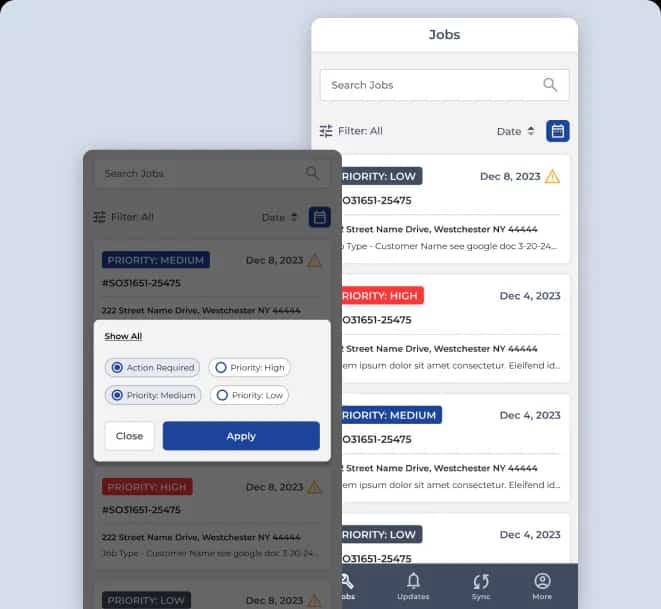
Yes. We built field service apps that sync jobs, inspections and photos with NetSuite in real time through a secured Node.js backend. We connect to SAP, Salesforce and Microsoft Dynamics through their published APIs, with error handling and logs for every record that moves.
Do you build apps for field, store and warehouse staff?
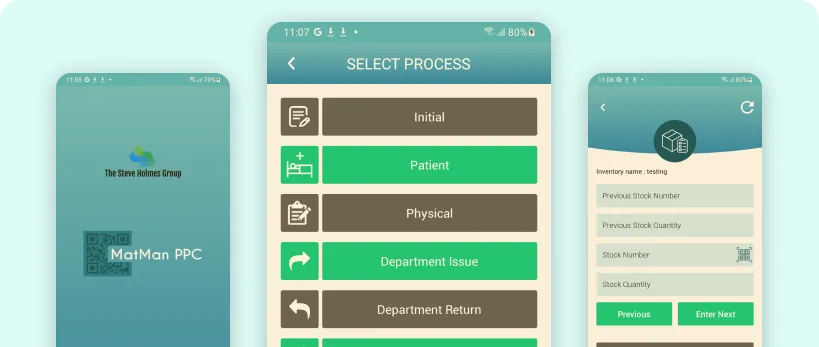
Yes. We build Android and iPhone apps for staff on the move, including rugged Zebra and SUNMI handhelds, with barcode scanning, photo capture and offline work that syncs when the device reconnects. SHG Group runs MEDITECH materials management on Zebra Android handhelds with an app we built.
Who owns the software and the data afterwards?
You do, from the first commit. Code, infrastructure configuration and documentation live in your repositories and accounts, and your data stays in your systems. NDAs are standard.
They understood the business side of our requirements and often brought up solutions or ideas we hadn't considered.
Pick the first process to move into software in 30 minutes
- 30 minutes with the ScalaCode team
- Which process to replace first and which systems it touches
- What the first phase costs and how long it takes