
Cross-platform app development in Flutter and React Native
ScalaCode builds one Flutter or React Native codebase that ships to the App Store and Google Play. Discovery tells you whether your app suits cross-platform at all, and any feature that needs the device directly gets a native module in Swift or Kotlin.


500+ projects shipped since 2012
Clutch 4.8/5 from 33 verified reviews

Trusted by teams at







What cross-platform app development means
Most of the app is written once. The parts that touch the hardware are where the planning goes.
- What is cross-platform app development?
- Cross-platform app development is the practice of building one mobile app codebase, usually in Flutter or React Native, that runs on both iOS and Android. Screens, business logic and API code are shared, while features that need deep device access are written as native modules in Swift or Kotlin.
Related: mobile app development, iOS app development and hiring mobile developers.
Cross-platform apps we build
Consumer apps, marketplaces and business tools, each on the framework that suits it.
Flutter development
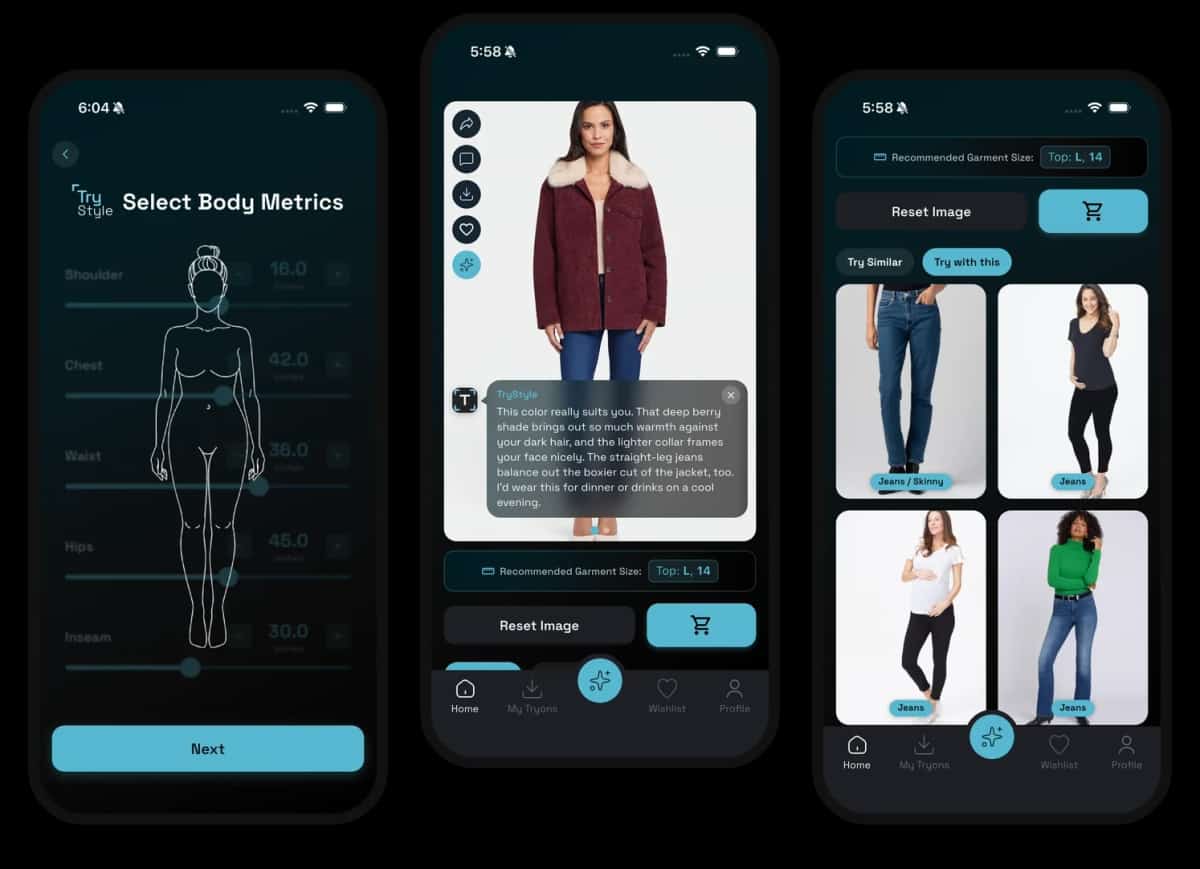
Dart apps that draw their own interface, so a custom brand design looks the same on iPhone and Android. 4RSale, NAMES and Try Style run on Flutter.
Read the 4RSale case studyReact Native development
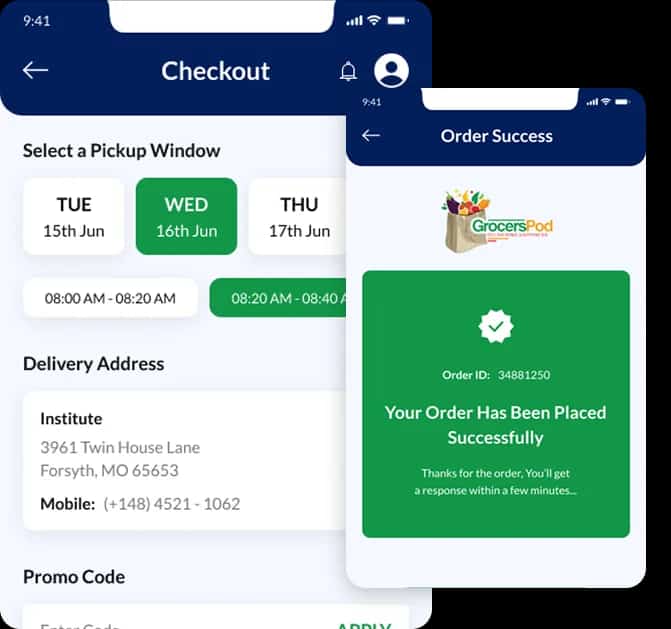
TypeScript apps that render the platform's own UI components. A good fit when your team already writes React or the app shares logic with a web product. GrocersPod runs on React Native.
Native modules
When a feature needs the camera pipeline, Bluetooth or long background work, we write that part in Swift or Kotlin and call it from the shared code.
Mobile backends and APIs
We build Laravel, Node.js and Firebase backends with payments, push notifications and order tracking, as we did for 4RSale and GrocersPod.
Offline-first business apps
Apps for field service, warehouses and retail floors that keep working without signal, with scanner and BLE integrations.
AI features in the app
We build photo and live-camera features backed by AI vision models, as in Try Style's virtual try-on.
See multimodal AI developmentFlutter vs React Native development: how we choose
Both ship good apps. The deciding factors are your design, your team and what the app shares with your web product.
| Flutter | React Native | |
|---|---|---|
| Language | Dart | TypeScript or JavaScript |
| How screens are drawn | Flutter's own rendering engine draws every pixel, so screens look identical on both platforms | Native iOS and Android UI components, so controls follow each platform's conventions |
| Best for | Brand-first consumer apps that need the same custom UI everywhere | Teams that write React, and apps that share logic with a web product |
| Hiring after launch | Dart is a separate skill to hire for | Draws on the large pool of React and TypeScript developers |
| Where it falls short | Larger app download size | Graphics-heavy screens and deep platform work lean on native modules |
| Apps we built with it | 4RSale, NAMES, Try Style | GrocersPod |
For a cost breakdown by scope, read our guide to Estimate your app cost.
When native is the better call
One shared codebase saves a second team, and for some apps it costs more than it saves. Discovery tells you if yours is one of them.
Graphics-heavy and real-time apps
Games, 3D views and apps that redraw large scenes every frame push a shared UI layer hard. We recommend native Swift and Kotlin apps for these.
Deep background work
Continuous location, audio processing and long uploads depend on platform rules that change with each OS release. The background service goes native. If that service is the product, the whole app does.
New platform APIs on launch day
New iOS and Android features reach Flutter and React Native through plugins, after a delay. If the roadmap depends on a new API at launch, we build that feature natively.
A different look on each platform
When iPhone users expect an iOS design and Android users a Material design on every screen, a shared UI saves little. React Native with platform components, or two native apps.
Running two native apps that drift apart?
Bring both codebases. We will tell you what a single Flutter or React Native app would share, and what has to stay native.
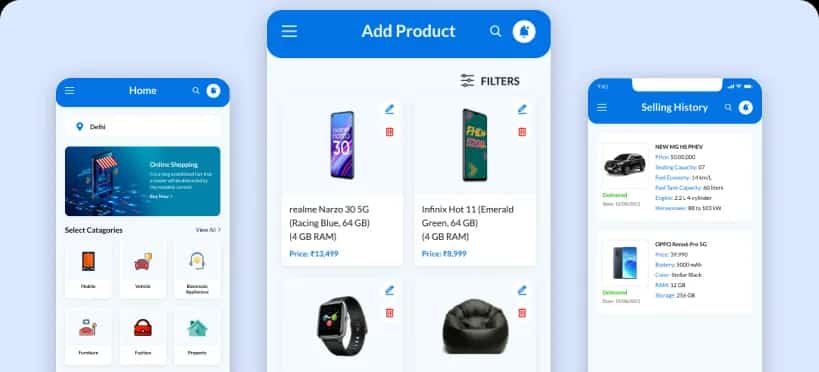
4RSale: a local marketplace app for buying, selling and renting
ScalaCode built 4RSale, a marketplace app for buying, selling and renting locally. Sellers list and manage products, buyers search, pay and track orders, and both sides contact each other inside the app on iOS and Android.
from one Flutter codebase
Our cross-platform development process
A test build on your own iPhone and Android phone at the end of every two-week sprint.
The Flutter and React Native stack we work in

One team shipping apps to both stores since 2012
projects shipped since 2012
clients across 45+ countries
years building software
on Clutch, from 33 verified reviews
Cross-platform app development cost
A cross-platform app for iOS and Android starts from $9,999. Every fixed quote follows a free discovery sprint. Dedicated Flutter or React Native developers start from $1,799 a month, full-time.

Project-based
Scope, timeline and milestone payments agreed after discovery. We own delivery through both store launches.
Best for a first release with a known feature set.

Dedicated team
Engineers who work only on your product, inside your process and tools.
Best for a roadmap of releases where you own the product.
Hire mobile developers
Time and materials
Pay for the hours used, with a monthly cap, while the scope is still moving.
Best for prototypes and native-module spikes.
Rated 4.8/5 by the clients we build apps for
Verified reviews from Clutch and GoodFirms, and clients on camera.
33 verified reviews on Clutch

 Clutch review★★★★★
“They gave us clear timelines and met them.”
“The company is very responsive and always take the extra mile to help you out.”
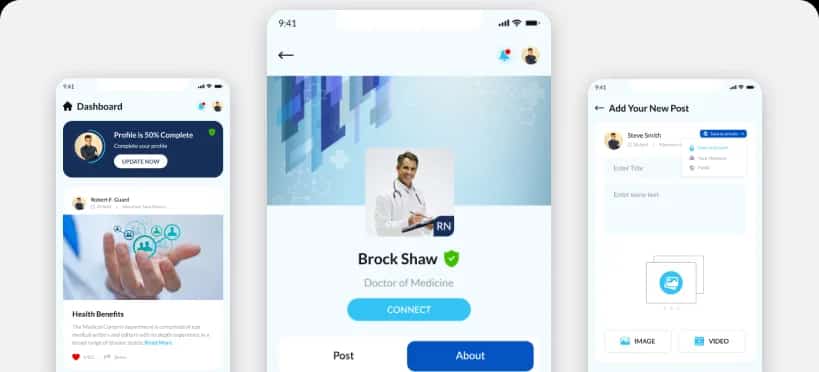
“I am the CEO of NAMEs, which is a healthcare application. And to be honest, I would have never achieved that without ScalaCode and their team of developers.”
Clutch review★★★★★“The team helped me developed an app for IOS and Android and were always on point to address my requests.”
Clutch review★★★★★“They are well-organized, punctual, and make every project comfortable.”
Clutch review★★★★★“The Scalacode team had excellent technical knowledge.”
 Trustpilot review★★★★★
“Literally, the end result for my Flutter-based app was phenomenal.”
Cross-platform app development FAQs
If you are still choosing between Flutter, React Native and native, we will recommend one on the call.
How much does cross-platform app development cost?
A cross-platform app for iOS and Android starts from $9,999. The fixed quote follows a free discovery sprint. Native modules, complex payments and several third-party integrations raise the price, and discovery puts each one in writing.
Flutter or React Native: which should we choose?
Choose Flutter for a brand-first app that should look the same on every phone. Choose React Native when your team already writes React and TypeScript, or the app shares logic with a web product. We recommend one in discovery, based on your design, your team and your feature list.
Will a cross-platform app feel as fast as a native one?
For content, marketplace, booking, fintech and form-heavy apps, users will not notice a difference. Graphics-heavy apps, games and apps doing heavy processing on the device are where native code stays faster, and we say so in discovery.
When should we build native apps instead?
Build native when the app depends on 3D graphics, advanced camera work, continuous background processing or a new platform API on launch day. Native also suits apps that must follow a different design on iOS and Android. Two native codebases cost more to build and maintain.
Can a Flutter or React Native app use the camera, Bluetooth and payments?
Yes. Flutter reaches device features through plugins and platform channels, and React Native through native modules. Where no reliable plugin exists, we write the module in Swift or Kotlin. Apple Pay, Google Pay, Stripe and in-app purchases are all supported. Bluetooth also links apps to vehicles for automotive clients.
Can we share code between our React web app and the mobile app?
Yes, with React Native. Business logic, API clients, validation and state management can be shared between a React web app and a React Native app. The screens themselves are usually written separately for mobile.
How long does a cross-platform app take to build?
A discovery sprint of 1 to 2 weeks fixes the build schedule in writing, and AI coding agents help our engineers ship it faster. An MVP with one core workflow takes 6 to 8 weeks, and larger apps with many integrations take longer. You get a test build on both platforms every two weeks. Property search and tenant apps for real estate teams often fit this one-codebase approach.
Can you take over a Flutter or React Native app another team built?
Yes, after a technical audit of the code, the build setup and the plugin versions. Most takeovers start with a four-week stabilisation sprint before new features.
Who owns the code and the store listings?
You own the source code and IP under the agreement signed at discovery. We work in your GitHub or GitLab and recommend publishing under your own App Store and Google Play accounts, so the listings stay yours.
Their approach, dedication and project execution played a critical role in TipStars' success.
 James EllisFounder, TipStars
Flutter, React Native or native, decided in 30 minutes
- A free 30-minute call with the ScalaCode team
- A recommendation on the framework that fits your app
- What it costs and how long it takes for both stores