
Automotive software development for connected vehicles, EVs and fleets
Automotive software development for connected-car apps, EV charging control, telematics dashboards and dealer systems. We build the mobile apps, cloud platforms and AI that turn vehicle data into features drivers and fleet managers use every day.
projects shipped since 2012
building software since 2012
AI systems running in production
clients in 45+ countries
on Clutch, from 33 verified reviews
9001:2015 certified delivery process
Automotive and consumer brands we have worked with






What automotive software development covers
The apps, platforms and AI around the vehicle.
- What is automotive software development?
- Automotive software development is the engineering of the apps, cloud platforms and data systems that connect vehicles to the people who own, drive, sell and service them. It covers connected-car mobile apps, telematics and fleet dashboards, EV charging management, predictive maintenance, dealer and service software, and integrations with OEM APIs, telematics devices and payment providers.
Four reasons connected vehicle software loses its users
Vehicle data that arrives late
Trackers lose signal in garages and tunnels, and OEM APIs limit how often an app can ask for data. We poll within each API's limits, buffer on the device side and show drivers how old every reading is.
Remote commands with no feedback
A lock or charging command that gives no confirmation teaches drivers to stop using the feature. Every command gets a pending, confirmed and failed state in the app, and each one is logged.
One app per vehicle brand
Households and fleets own mixed makes, and each data source describes a vehicle differently. We put one data model over every source, so the app handles each make in the household or fleet the same way.
Maintenance alerts nobody trusts
Alerts set on fixed mileage intervals fire too early for some vehicles and too late for others. We combine mileage, battery and tyre readings with service history, so alerts follow each vehicle's condition.
Automotive software we build
From one owner app to a platform that serves dealers, drivers and fleet managers.
Connected-car apps
We build native iOS and Android apps in Swift and Kotlin for live location, trip history, remote locking and maintenance alerts.
See mobile app developmentEV charging management
Start, stop and schedule charging, track battery state and cost, and connect charge points over OCPP or the operator's published API.
Telematics platforms
We ingest GPS and OBD-II data into time-series storage and build dashboards for fleet managers and service teams. Delivery fleets can pair this with our logistics software.
Predictive maintenance
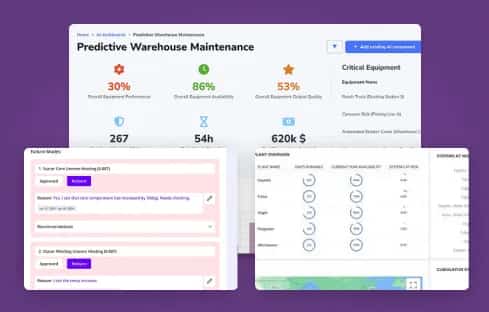
Models that read mileage, fault codes, battery health and service history to flag a vehicle before it breaks down.
See machine learning developmentDealer and service software
Dealer groups get service booking and stock and lead tracking, synced with your DMS and with Salesforce or Microsoft Dynamics through their published APIs.
Fleet and route optimisation
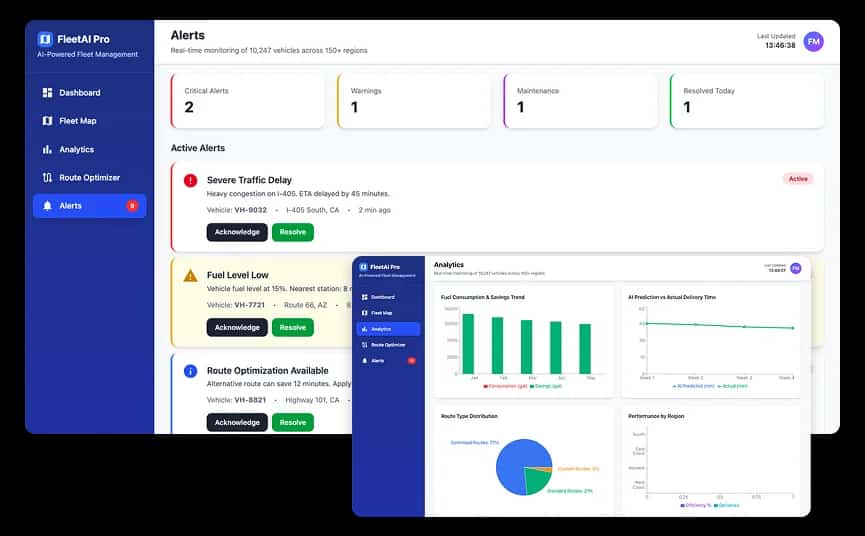
Route planning from live traffic and weather, delivery time prediction and fleet dashboards, as we built for a logistics enterprise.
See logistics softwarePlanning a connected-car app or an EV feature?
Talk to us about the vehicle data you can reach and the first feature worth shipping.
Automotive software for EV, mobility, dealer and fleet teams
An EV startup and a dealer group need different first builds. These are the four we see most.
EV and charging companies
Drivers control charging, monitor the battery and pay in the app, and operators see charge-point data in one dashboard. Charge networks run by utilities fit our energy software work.
Connected-car and mobility startups
We build tracking, remote commands and trip data across mixed makes, on iOS and Android.
Dealer groups and service centres
Online service booking, vehicle history and stock stay in step with the DMS and the CRM.
Fleet operators and leasing
Utilisation, maintenance planning and route optimisation across the whole fleet.
Where ScalaCode fits in an automotive programme
Our work sits above the vehicle, in the software that reads its data and acts on it. Safety-critical ECU firmware built to ISO 26262 or AUTOSAR belongs with a specialist embedded supplier, and we will say so on the first call.
- Apps and platforms that use vehicle data. That covers driver and owner apps, fleet dashboards, dealer tools and the cloud services behind them.
- Data access comes before design. OEM APIs, OBD-II dongles and GPS trackers each limit what an app can show, so we test the source before the screens are drawn.
- Your embedded team or supplier stays in charge of the vehicle. We work from the APIs and data they expose and agree the interface with them early.
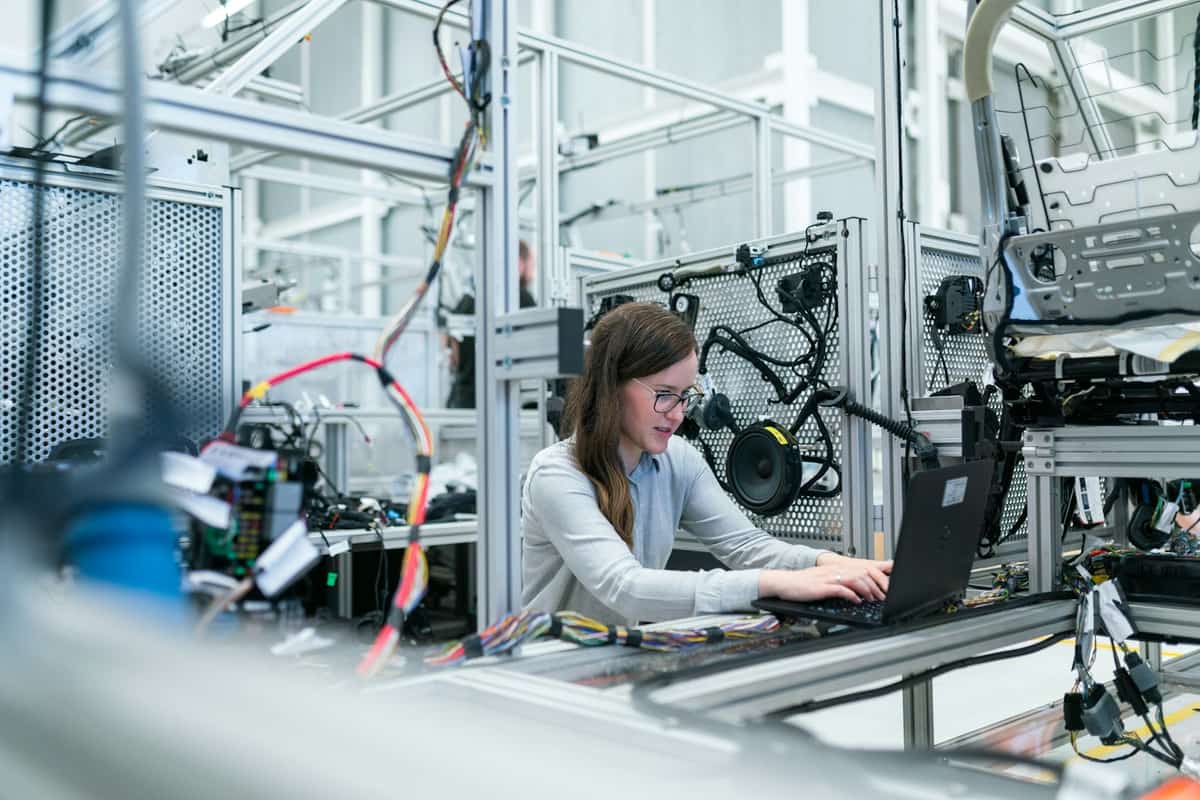

Prove the vehicle data first, then build the app
Tests inside a vehicle happen on your side, with our engineers on the call. App, cloud and model work runs on the 4 to 5 hours of daily overlap we keep with your team.
The automotive software stack we work in
Picked for the vehicle data you can reach and the phones your drivers carry.
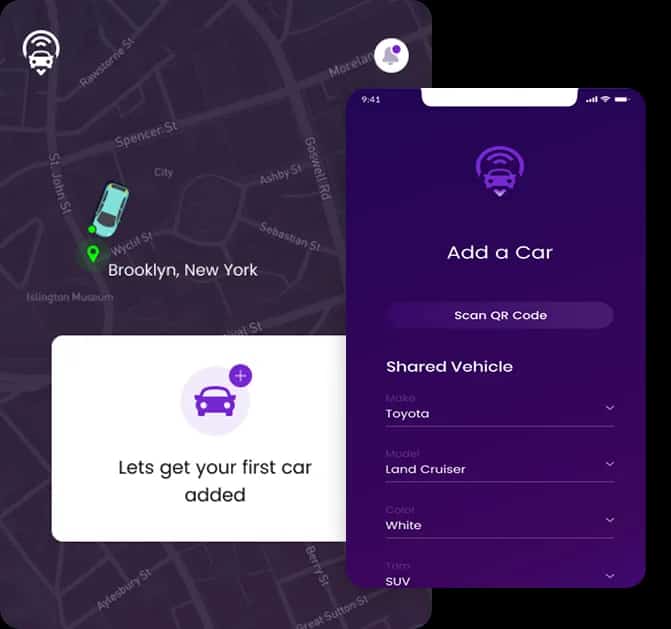
CarKenny: a vehicle tracking and remote control app
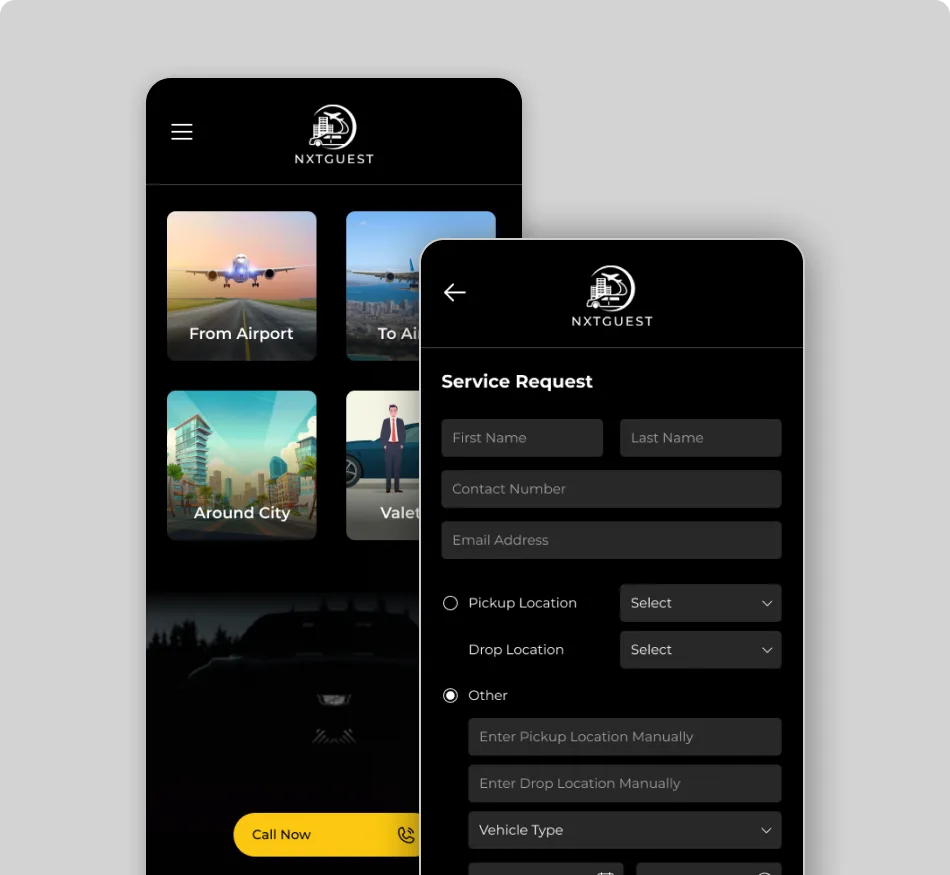
ScalaCode built a mobile app for CarKenny Inc. that helps households with several vehicles manage them. Owners see live locations and history, control the locks remotely, monitor and control EV charging, and get maintenance alerts.
native apps
ScalaCode vs the alternatives
Most automotive teams weigh hiring, an agency and a white-label telematics product. The table compares cost and fit.
| In-house hire | Generalist agency | White-label telematics app | ScalaCode | |
|---|---|---|---|---|
| Cost | Salaries plus months of hiring | Variable | Per-vehicle licence | From $1,799 a month per engineer, published |
| Built around your vehicles and users | Yes | Sometimes | Within the product's limits | Yes |
| Mobile, cloud and AI in one team | Hard to hire | Sometimes | Not applicable | Yes |
| You own the code and data | Yes | Depends on contract | No | Yes |
| Same team over time | Yes | Often no | Not applicable | Yes |
One team, 14 years of shipping
projects shipped since 2012
AI systems running in production
clients across 45+ countries
years building software, since 2012
Rated 4.8/5 by the clients we build for
Verified reviews from Clutch and GoodFirms, and clients on camera.

33 verified reviews on Clutch

 Clutch review★★★★★
“Instead of giving us a standard off-the-shelf solution, they tailored everything to Carology’s unique vision.”
“Their approach, dedication and project execution played a critical role in TipStars' success.”
Clutch review★★★★★“What sets ScalaCode apart is their technical AI expertise and an understanding of a client's organizational ethos.”
Clutch review★★★★★“They understood the business side of our requirements and often brought up solutions or ideas we hadn't considered.”
 GoodFirms review★★★★★
“They built a high-performance, AI-powered platform that transformed video engagement for learning.”
Clutch review★★★★★“What stood out to us as most impressive and unique about ScalaCode was their ability to humanize complex AI.”
GoodFirms review★★★★★“Scalacode delivered a secure, scalable, and efficient platform exceeding our expectations.”
Automotive software development FAQs
We will answer any other question on the call.
How much does automotive software development cost?
Every build starts with a free discovery sprint. An MVP such as a connected-car app with tracking and one remote feature starts from $9,999, a full mobile app from $9,999 and an enterprise platform from $24,999. Dedicated engineers start from $1,799 a month, full-time.
Can you integrate with OEM connected-car APIs and telematics devices?
Yes, where the OEM or device maker publishes an API or SDK. We check access, data fields and rate limits in discovery, because they decide what the app can show and how fresh each reading is. Where no OEM API is available, an aftermarket OBD-II or GPS device is the usual route.
Do you build embedded ECU or AUTOSAR software?
No. Safety-critical in-vehicle firmware needs an ISO 26262 process and a specialist embedded supplier. We build the apps, cloud platforms, dashboards and AI that use the data those systems expose, and we agree the interface with your embedded team or supplier early.
How do you secure remote locking and other vehicle commands?
Every command is authenticated per user and per vehicle, and logged with who sent it and when. Shared vehicles get role-based access, so a family member or driver controls only what the owner allows. If your programme must meet ISO/SAE 21434 or UNECE R155, we write those requirements into scope during discovery.
Can you build EV charging features into our app?
Yes. Drivers can start, stop and schedule charging, see battery state and charging cost, and pay in the app through Stripe. Charge points connect over OCPP or the network operator's API, and discovery confirms which one applies to your chargers.
Can AI predict maintenance for our vehicles?
Yes, once there is enough history. Models read mileage, fault codes, battery and tyre data alongside service records and flag vehicles likely to need work soon. We built the same pattern for warehouse equipment at a global logistics provider, and we check your data volume in discovery before we commit to an accuracy target.
How long does a connected-car app take to build?
A first feature, such as live tracking or charging control, goes to staging first so you can test it while the rest is built. Discovery fixes the schedule for the full app in writing, depending on how many vehicle data sources it connects, and AI coding agents help our engineers ship it faster.
Who owns the code and the vehicle data?
You do. IP assignment is in the contract, NDAs are standard, and the code, data and cloud accounts are yours from day one.
 Watch Kennith's review
CarKenny: an AI vehicle app, built with ScalaCode
Scope your first automotive feature in 30 minutes
- Advice from a team that has shipped connected-car and fleet apps
- Which vehicle data you can reach, and what it lets you build
- Free, with no obligation to build with us