
Small language model development for private, low-cost AI
ScalaCode handles small language model development for teams that need one language task done cheaply, quickly or inside their own network. We run SLM fine-tuning on your examples, compare the result with a large model on the same evaluation set, and ship it as an on-prem language model or a private LLM deployment in your cloud.
AI systems running in production
projects shipped since 2012
clients served since 2012
on Clutch, from 33 verified reviews
countries with live clients
9001:2015 certified delivery process
Trusted by teams at








Clutch 4.8/5Verified client reviews

GoodFirmsReviewed software partner
ISO 9001:2015Certified delivery process
GDPR compliantData handled under EU rules
What small language model development is
The model is the smaller part of the work. Most of the effort goes into the training examples, the evaluation set and the serving setup.
- What is a small language model?
- A small language model (SLM) is a language model with far fewer parameters than a frontier model, small enough to run on a single GPU, a CPU server or a device. Fine-tuned for one task, such as classifying documents or extracting fields, a small model can match a larger model on that task at lower cost and latency.
Related: LLM development covers large models and fine-tuning. The AI engineering hub covers RAG, agents and machine learning.
When an SLM beats a large model
A small model wins when the task is narrow, the volume is high or the data cannot leave your network. A large model wins on open-ended reasoning and tasks that change every week.
| Fine-tuned small model | Large model via API | Large open-weight model, self-hosted | |
|---|---|---|---|
| Best for | One repeated task, such as tagging or extraction | Open-ended questions, drafting, varied tasks | Broad tasks where data must stay in your network |
| Where it runs | Your servers, your cloud or a device | The provider's cloud | Your servers or your cloud, on larger GPUs |
| Running cost | Low, one modest GPU or a CPU server | Per-token fees that grow with volume | High GPU cost, fixed whatever the volume |
| Data it needs | Hundreds to thousands of task examples | A prompt, examples and an evaluation set | A prompt or fine-tuning data, plus an evaluation set |
| Latency | Fast, even on long batches | Depends on the provider and load | Depends on your hardware |
When answers have to come from your documents, pair the model with RAG development.
Small language model development services
Each service ends with a model scored against a large-model baseline on your own evaluation set, so the decision to switch rests on numbers.
SLM feasibility study
In 1 to 2 weeks we check the task, the data and a large-model baseline, and give you a go or no-go for a small model. The sprint is free.
SLM fine-tuning
We fine-tune an open-weight base model on your task examples with LoRA or QLoRA, and every run is tracked and reproducible.
Distillation from a large model
A large model labels your unlabelled data under review, and a small model learns the task from those labels.
On-prem language model deployment
The model runs on your own servers or private cloud, with no calls to an outside API and logs kept inside your network.
Quantisation and sizing
We quantise the weights and size a GPU or CPU plan to your latency target and monthly volume, then test it under load before launch.
Model routing
A small model takes the routine requests and passes the hard ones to a large model, so you pay large-model prices only where they help.
Private LLM deployment
We deploy open-weight models in your cloud account for teams whose policy rules out sending data to a hosted model provider, which often applies in healthcare and legal work.
Evaluation and benchmarking
We build evaluation sets from your own questions or documents and score the small model and the large model side by side.
Monitoring and retraining
Quality checks run on live outputs, drift alerts watch for change, and a retraining pipeline promotes a new version only after it beats the current one.
Paying large-model prices for one repeated task
Bring the task, a sample of inputs and your monthly volume. In 30 minutes the ScalaCode team will tell you whether a small model is likely to hold up and what a first test costs.
Four patterns for running small models in production
A small model has a narrower comfort zone than a large one, so these patterns keep it inside the task it was trained for.
Distil, then fine-tune
A large model drafts labels for your examples, your team corrects a share of them, and the small model trains on the corrected set.
Router with fallback
Requests the small model is confident about are answered locally. The rest go to a large model, and those cases feed the next training round.
Side-by-side evaluation gate
Each new model version is scored next to the large-model baseline on the same evaluation set, and it ships only when it holds up.
Shadow run before cutover
The small model answers live traffic in shadow while the current system keeps serving users, and the outputs are compared before the switch.
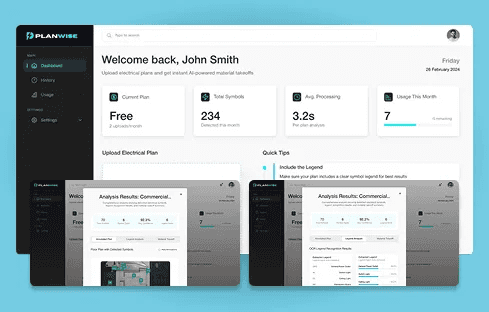
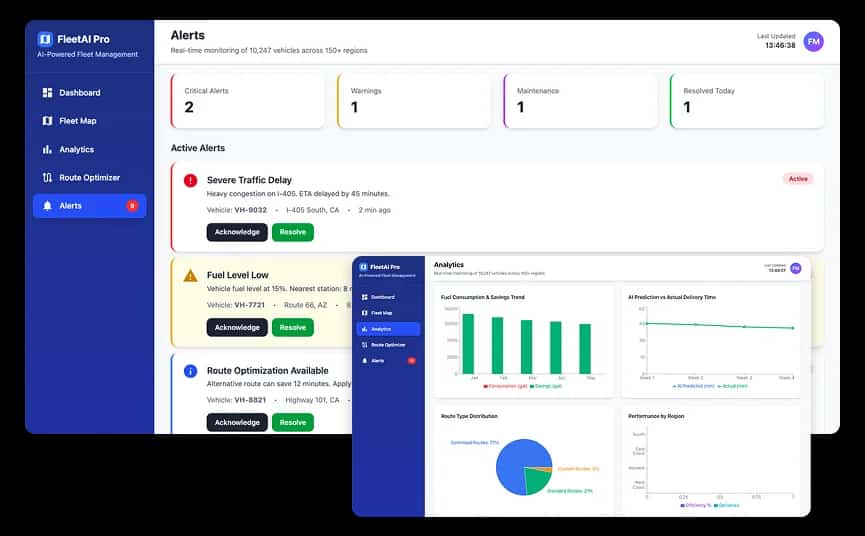
Planwise: task-specific models with a person checking the edge cases
OCR pulls each drawing's own legend, and vision models classify lighting, power, fan and data points against that legend. Electricians review every detection on the plan and correct edge cases before the takeoff report is exported.
Takeoff cycle time, per the client
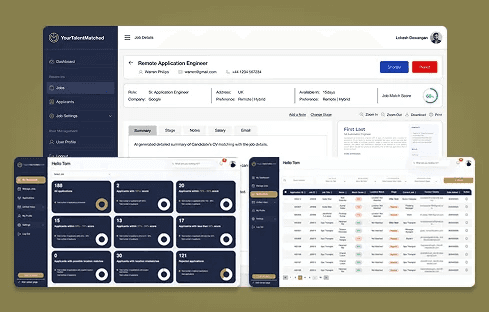
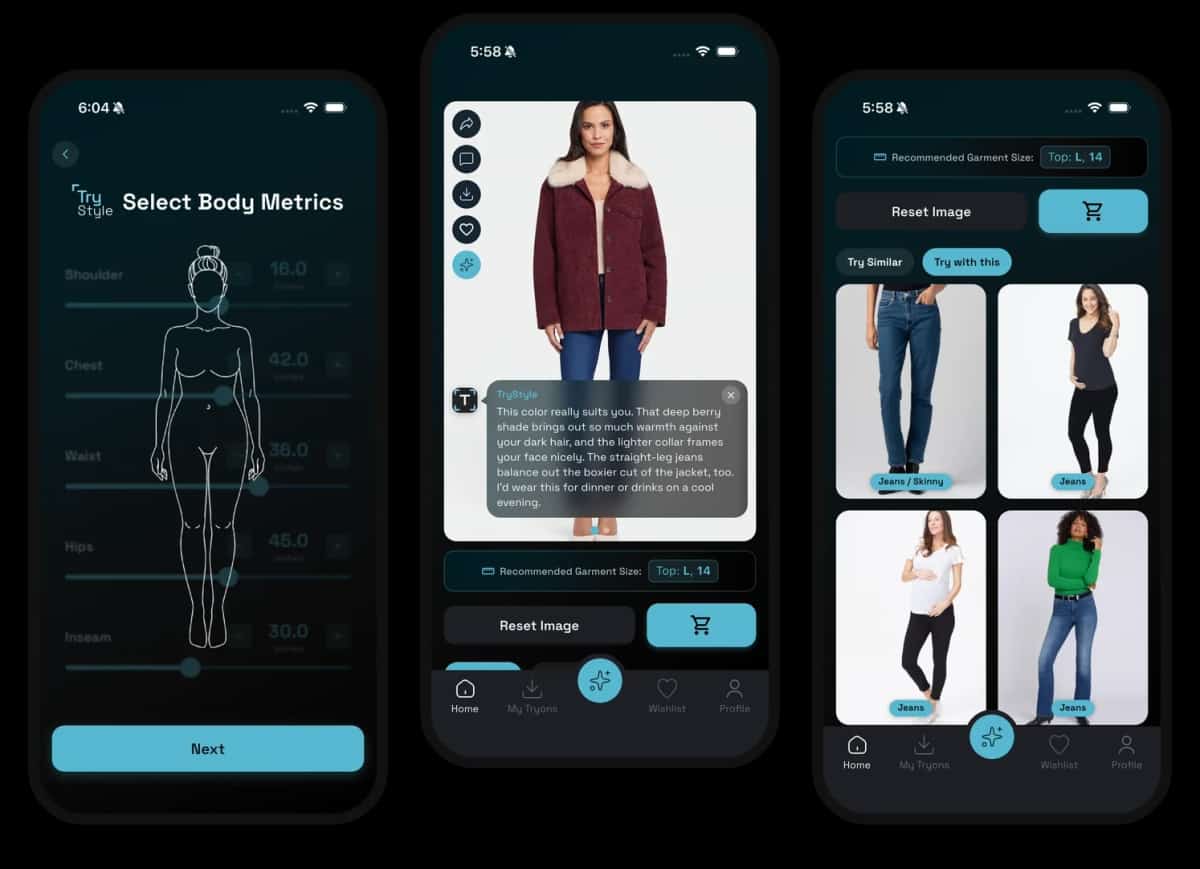
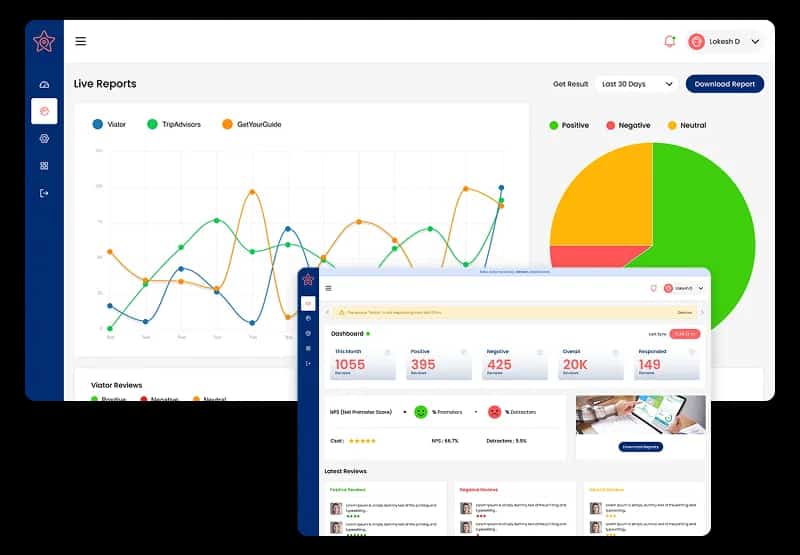
SLM fine-tuning and deployment
A first fine-tuned model on your data takes 3 to 4 weeks as a proof of concept. The production deployment with serving, monitoring and retraining is planned from its evaluation results.
One team, 14 years of shipping
projects shipped since 2012
AI systems running in production
clients across 45+ countries
years building software, since 2012
Controls for a model that runs inside your network
Most teams choose a small model to keep data private, so the deployment is built around that from the first week.
Data stays on your infrastructure
Training and inference run on your servers or in your cloud account, and prompts and outputs are logged where you choose.
Redaction of sensitive fields
Sensitive fields can be redacted from training data and logs, and access controls carry through to the model's inputs.
Compliance in the scope
SOC 2, HIPAA and GDPR controls your business needs are written into the scope during discovery.
Weights and code are yours
Fine-tuned weights, training code and evaluation sets are yours from the first commit, and NDAs are standard.
Models and tools for small language model work
We pick the base model and serving stack per task after a benchmark on your data.
Where an on-prem language model fits
Small models fit best where one language task repeats at volume and the text is too sensitive to send outside.
Healthcare
- Clinical note tagging
- Referral letter extraction
Financial services
- Transaction description tagging
- Document field extraction
Legal
- Clause classification
- Contract field extraction
Insurance
- Claims note triage
- Policy document tagging
Manufacturing
- Maintenance log classification
- Offline assistants on site
Retail and eCommerce
- Product attribute extraction
- Review tagging at volume
Public sector
- Form and letter classification
- Air-gapped deployments
SaaS platforms
- Per-tenant models
- Cheaper in-product AI features
SLM development cost and engagement models
The discovery sprint is free and ends in a written proposal with a fixed quote. A proof of concept with a fine-tuned small model starts at $4,999 and takes 3 to 4 weeks.
Discovery sprint
1 to 2 weeks and free, ending in a written proposal with a fixed quote. A large-model baseline, a data check and a go or no-go for a small model.
Best for teams weighing a small model against an API.

Proof of concept, then build
A fine-tuned model from $4,999 in 3 to 4 weeks, scored against the baseline. An LLM application build starts at $14,999.
Best for one task with clear inputs and a volume to cut costs on.

Dedicated LLM engineers
LLM engineers inside your process from $2,499 a month per engineer. You interview and choose the people.
Best for several models you will keep training and serving.
Rated 4.8/5 by the clients we build for
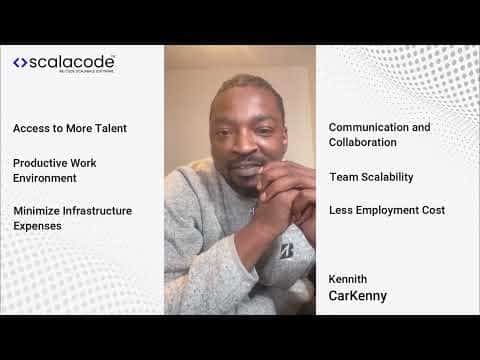
Verified reviews from Clutch and GoodFirms, and clients on camera.
33 verified reviews on Clutch
 Clutch review★★★★★
“What stood out to us as most impressive and unique about ScalaCode was their ability to humanize complex AI.”
Clutch review★★★★★“What I found impressive about ScalaCode was their ability to listen to the soul of an educational mission.”
Clutch review★★★★★“What impressed me most was that they didn't just blindly build whatever we wrote down in the initial scope.”
Clutch review★★★★★“What sets ScalaCode apart is their technical AI expertise and an understanding of a client's organizational ethos.”
 GoodFirms review★★★★★
“They built a high-performance, AI-powered platform that transformed video engagement for learning.”
Clutch review★★★★★“They managed to balance technical skill with an understanding of the marketing world.”
Clutch review★★★★★“Their team often proposed innovative features we hadn't considered.”
Small language model development FAQs
We will answer anything not covered here on the call.
When should we use a small language model?
Use a small language model when one task repeats at high volume, when latency matters or when the data cannot leave your network. Tagging, extraction, routing and short summaries are common fits. Open-ended chat and reasoning over varied topics usually stay with a large model.
Which small models do you work with?
We work with open-weight model families such as Llama, Mistral and Qwen, choosing the size per task. Each candidate is checked for licence terms during discovery and benchmarked on your evaluation set before we fine-tune it.
Can a small model run on our own servers?
Yes. A small model can run as an on-prem language model on a single GPU server, and some tasks run on CPU. We deploy it with tools such as vLLM or Ollama inside your network, with logs kept on your side and no calls to an outside API.
How much data do we need to fine-tune an SLM?
SLM fine-tuning for a narrow task often starts with a few hundred to a few thousand good examples, and the task decides the exact number. When labels are missing, a large model can draft them for your team to review. The discovery sprint tells you whether your data is enough. Our MLOps engineers can run the training and serving pipeline afterwards.
How much does SLM development cost?
The discovery sprint is free and ends in a written proposal with a fixed quote. A proof of concept with a fine-tuned small model starts at $4,999, and an LLM application build starts at $14,999. Serving hardware is a separate cost that we size with you before the build.
How do you compare an SLM against a large model?
We build one evaluation set from your own inputs, score a large model on it first and then score each small model on the same set. The report shows quality, latency and monthly serving cost side by side, so you can see where the small model holds up and where it falls short.
Is a private LLM deployment the same thing?
A private LLM deployment can use a small or a large open-weight model, as long as it runs in your cloud or on your servers. A small model keeps the hardware cost lower. A larger one handles broader tasks at a higher GPU cost.
Should we fine-tune or use RAG?
Fine-tune when the model needs a fixed task, format or vocabulary. Use RAG when answers depend on documents that change. Many systems use both, with a small fine-tuned model answering from retrieved passages.
One team, matched to your working hours
We schedule 4 to 6 hours of daily overlap with US time and a full working day with the UK and Europe, so reviews, demos and fixes happen during your working hours.
What sets ScalaCode apart is their technical AI expertise and an understanding of a client's organizational ethos.
Find out whether a small model can take over your task
- 30 minutes with the ScalaCode team
- Whether a small model, a large model or a mix fits your task
- What is realistic, what it costs and how long it takes
“What sets ScalaCode apart is their technical AI expertise and an understanding of a client's organizational ethos.”
Laurence Longet, Director, MGEN (Clutch review)