
eCommerce development from Shopify extensions to custom platforms
ScalaCode is an eCommerce development company that extends Shopify and Adobe Commerce through their published APIs, and builds custom stores and marketplaces when a standard platform no longer fits. Your catalog, checkout and stock stay in sync with the ERP and POS you already run.


500+ projects shipped since 2012
Clutch 4.8/5 from 33 verified reviews

clients in 45+ countries
Trusted by teams at







What eCommerce development covers
The storefront is the visible part. Orders, stock and payments behind it decide whether the store works.
- What is eCommerce development?
- eCommerce development is the engineering of online stores and the systems behind them, including the storefront, catalog and pricing, cart and checkout, payments and order management. It also covers the integrations that keep stock, orders and customers in sync with ERP, POS and fulfilment systems, whether the store runs on Shopify, Adobe Commerce or a custom eCommerce platform.
Related: retail and eCommerce software development and AI recommendation engines.
eCommerce development services we deliver
We extend the platform you already pay for, and build custom where your business model needs it.
Shopify custom development
We build custom apps and storefronts on Shopify's published APIs, Hydrogen storefronts, checkout extensions and Shopify Functions for pricing and discount rules.
Adobe Commerce and Magento
We build extensions, B2B catalogs and integrations for Adobe Commerce and Magento 2 through their published APIs, and migrate Magento 1 stores.
Custom eCommerce platforms
A store on your own codebase when the catalog, pricing or checkout does not fit a hosted platform. For Sarah LaValle we moved the store from WooCommerce to Medusa.js with a Next.js storefront.
Marketplaces
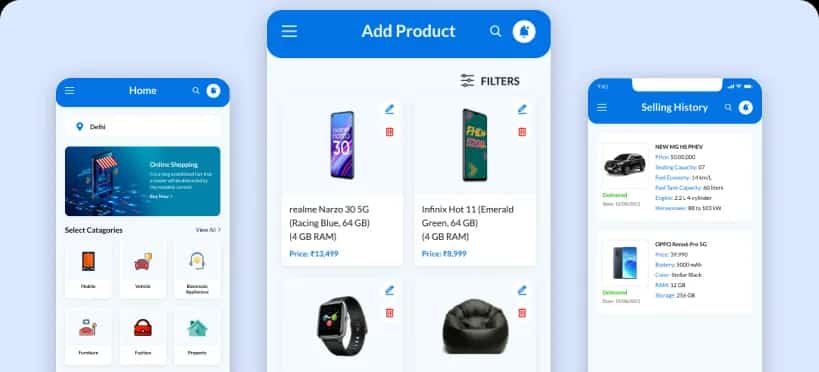
We build multi-seller and rental marketplaces with seller panels, search, in-app messaging, payments and order tracking, as on the 4RSale app.
Read the 4RSale case studyMobile commerce apps
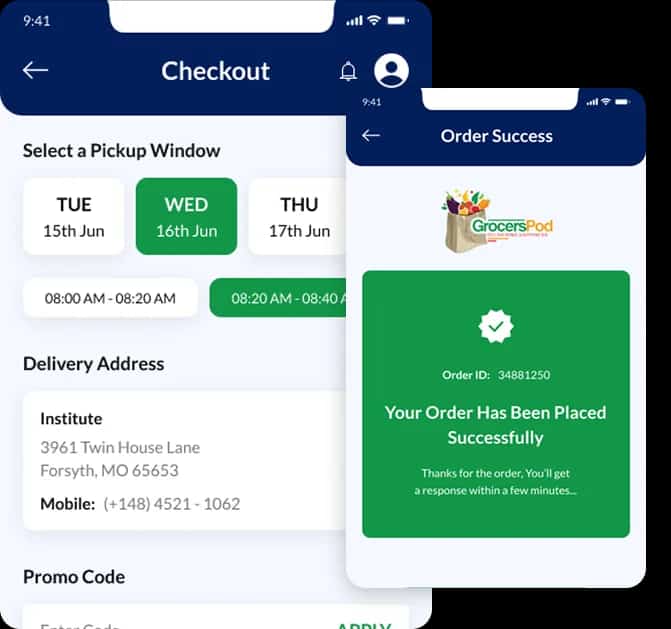
We build shopping and on-demand ordering apps in Flutter or React Native, with in-app payments, push notifications and live order status.
See mobile app developmentERP, POS and OMS integration
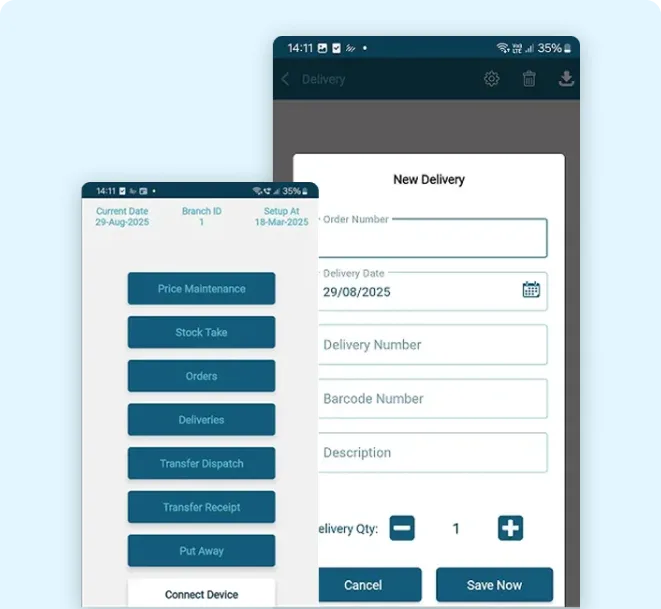
We sync orders, stock, prices and customers with SAP, Salesforce or Microsoft Dynamics through their published APIs, and with in-store POS and handheld stock apps.
Replatforming, or adding features to the store you have?
Bring your platform, catalog size and integration list. We will tell you whether to extend what you run or move.
Shopify custom development or a custom eCommerce platform
Most stores should extend Shopify or Adobe Commerce. Build a custom eCommerce platform when the business model does not fit a standard catalog and checkout, such as rentals, multi-seller payouts or ordering tied to live store stock.
| Extend Shopify or Adobe Commerce | Custom eCommerce platform | |
|---|---|---|
| Best for | D2C brands and B2B catalogs that fit the platform's order model | Marketplaces, rentals, unusual pricing, or a brand that wants full control of the stack |
| What we build | Custom apps, checkout extensions, storefronts and integrations on the platform's APIs | Catalog, cart, checkout and order logic in your own codebase, for example on Medusa.js |
| Hosting and upgrades | Shopify hosts the store; Adobe Commerce runs on Adobe's cloud or yours | Your cloud account, with upgrades on your schedule |
| Where it falls short | Edge cases outside the platform's rules | Higher build cost, and you maintain more of the stack |
For Shopify Plus, headless and Magento side by side, see retail and eCommerce software development.
Where eCommerce builds break after launch
We scope each of these four problems in the first two weeks of a build.
Stock drifts between online and store
Orders sell items the store no longer holds, or hide items it does. Order, inventory and price syncs are mapped in week two, with the ERP or POS payloads in hand.
Checkout slows at peak
A sale or campaign brings traffic the store was never tested against. We load test against your expected peak, cache catalog pages and queue order writes so checkout keeps working.
Rankings drop after a replatform
Old product and category URLs return 404s and years of search traffic go with them. Every old URL maps to a new one with a 301 redirect, and titles, descriptions and structured data carry over.
Payment edge cases surface in production
Partial refunds, failed captures and regional payment methods break flows nobody tested. Payment edge cases are listed in week one and each one gets a test before launch.

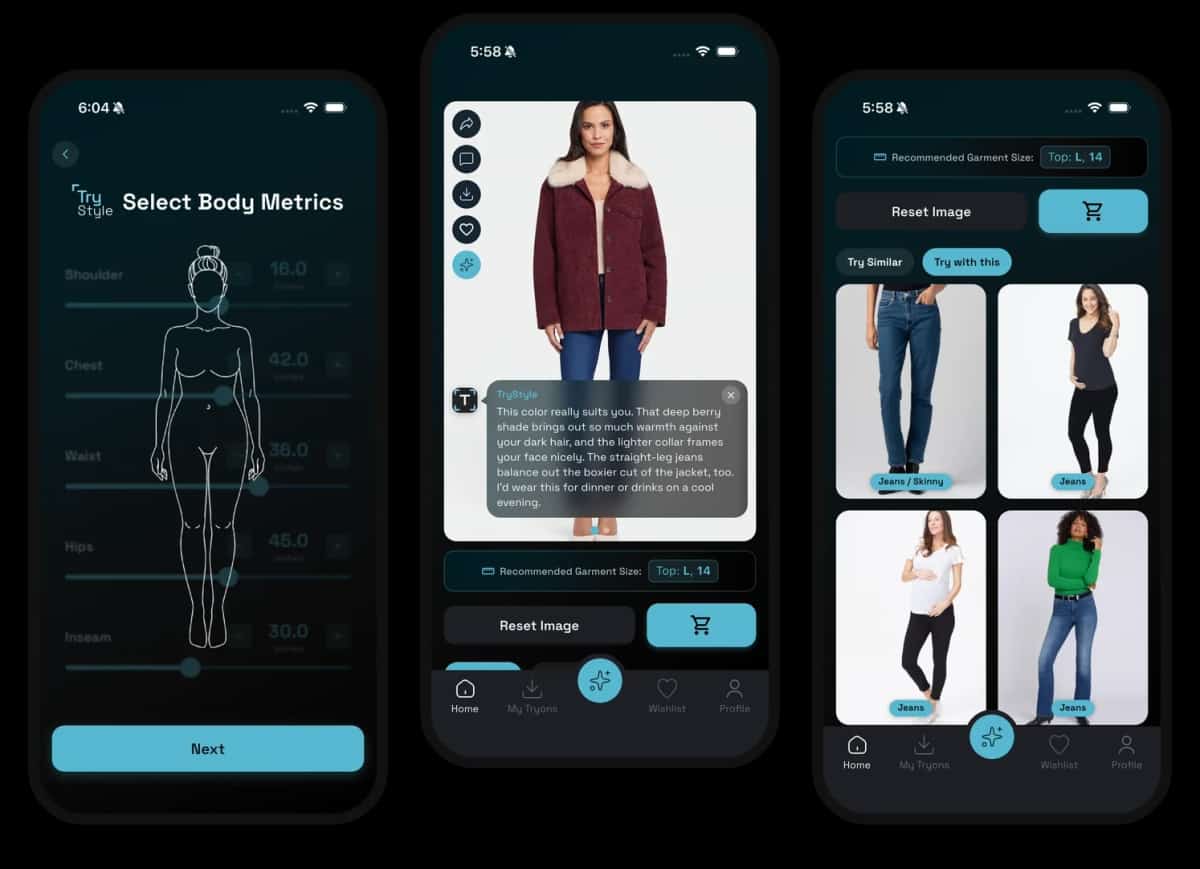
Sarah LaValle: a Medusa.js fashion store with AI shopping and try-on
ScalaCode moved the Sarah LaValle women's fashion store from WooCommerce to Medusa.js for speed and easier integrations, then built AI into the shopping experience: search, recommendations, size advice, product descriptions, a styling assistant and Try Style virtual try-on.
EDI connections
How we build and launch a store
Two-week sprints with a demo of working software at the end of each, in your tracker and your repositories.
The eCommerce stack we work in
Chosen per project, based on your catalog, channels and the systems you already run.
Secure checkout and customer data
SOC 2 or GDPR controls are written into the scope during discovery, alongside the payment flows.
PCI DSS checkout
Checkout uses tokenized payment gateways, so card data never touches your servers.
GDPR
We handle customer and order data under EU rules for European shoppers.
Your repositories and pipeline
We work in your GitHub or GitLab, code review and CI, so every change is traceable.
Certified delivery process
Delivery follows an ISO 9001:2015 certified quality process.
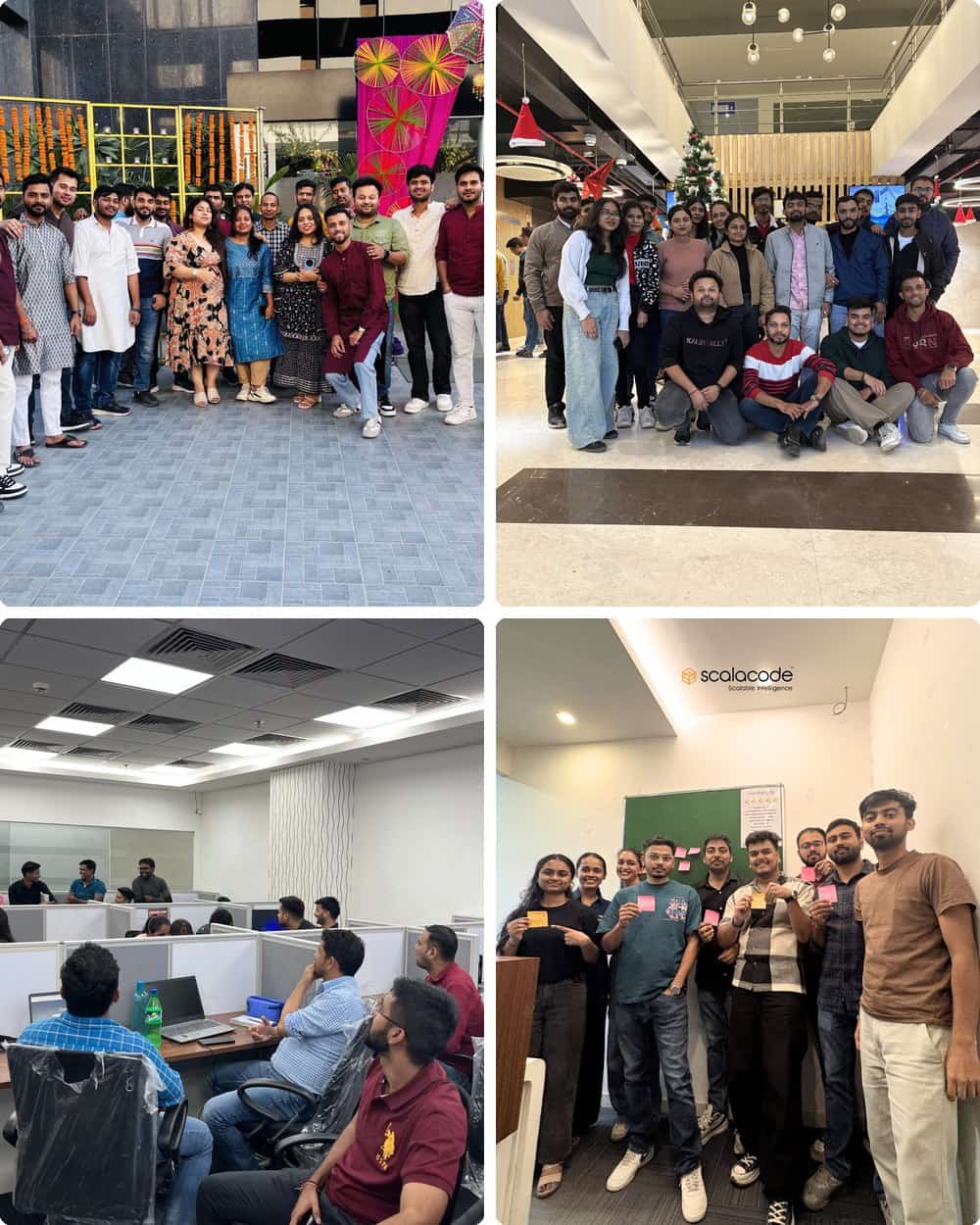
One team, 14 years of shipping
projects shipped since 2012
clients across 45+ countries
AI systems running in production
on Clutch, from 33 verified reviews
eCommerce development cost and engagement models
A web storefront or B2B portal starts from $11,999, a mobile commerce app from $9,999 and an enterprise commerce platform from $24,999. Dedicated engineers start from $1,799 a month, full-time.

Project-based
Scope, timeline and milestone payments are agreed after discovery. We own delivery through launch and four weeks of hardening.
Best for a replatform, a new store or a marketplace launch.

Dedicated team
Engineers who work only on your product, inside your process and tools.
Best for a store roadmap that keeps running after launch.
Hire full-stack developers
Time and materials
Pay for the hours used, with a monthly cap, while the scope is still moving.
Best for audits, integration fixes and small feature work.
Rated 4.8/5 by the clients we build for
Verified reviews from Clutch and GoodFirms, and clients on camera.
33 verified reviews on Clutch

 Clutch review★★★★★
“They gave us clear timelines and met them.”
 GoodFirms review★★★★★
“Working with ScalaCode was a fantastic experience, marked by their expertise and support.”
Clutch review★★★★★“What impressed us most was their ability to capture the essence of our brand.”
Clutch review★★★★★“The most impressive aspect of working with ScalaCode is their genuine dedication.”
“Their approach, dedication and project execution played a critical role in TipStars' success.”
Clutch review★★★★★“What sets ScalaCode apart is their technical AI expertise and an understanding of a client's organizational ethos.”
Clutch review★★★★★“They understood the business side of our requirements and often brought up solutions or ideas we hadn't considered.”
eCommerce development FAQs
Ask anything not covered here on the call.
How much does eCommerce development cost?
A web storefront or B2B portal starts from $11,999, a mobile commerce app from $9,999 and an enterprise commerce platform from $24,999. Every fixed quote follows a free discovery sprint. Catalog size, integrations and the platform set the final price.
Should we stay on Shopify or build a custom eCommerce platform?
Stay on Shopify, and extend it, unless your business model breaks its rules. A custom eCommerce platform pays off for marketplaces, rentals, unusual pricing or ordering tied to live store stock, and it costs more to build and maintain. We give you that recommendation in discovery, before any build budget is committed.
Can you build custom Shopify apps and checkout features?
Yes. We build custom apps on Shopify's published APIs, checkout extensions, Shopify Functions for pricing and discounts, and Hydrogen storefronts. The app connects Shopify to your ERP, OMS or other systems where you need it. Search and recommendation features are covered under AI for retail.
Do you work with Adobe Commerce and Magento?
Yes. We build extensions and B2B catalog features for Adobe Commerce and Magento 2, integrate them with other systems through their published APIs, and migrate stores off Magento 1.
Can you move our store off WooCommerce?
Yes. For Sarah LaValle we replaced WooCommerce with Medusa.js and a Next.js storefront, moving the catalog with every size and colour variant. Shopify and Adobe Commerce are also options, and the right target depends on your catalog and how much control you want.
Can you connect our store to SAP, Salesforce or Microsoft Dynamics?
Yes, through their published APIs. Order, inventory, customer and price syncs are mapped in week two with sample payloads from your systems, so stock levels and prices match across channels.
How do you keep online and in-store stock in sync?
Stock changes from the store, the POS and handheld devices flow through one sync with your ERP or EPOS, and each source of truth is agreed in discovery. On the RMEPOS project, store handhelds record stock offline and sync with the EPOS system when they reconnect.
Will we lose search rankings when we replatform?
Planned redirects protect them. We map every old URL to its new one with 301 redirects, carry over titles, meta descriptions and structured data, and keep catalog URLs stable where the platform allows. After launch we watch Search Console for crawl errors.
Who owns the code?
You do. A mutual NDA comes before discovery, and full IP assignment is in the master agreement. Code, designs and assets are yours from day one.
Their approach, dedication and project execution played a critical role in TipStars' success.
 James EllisFounder, TipStars
Scope your store build in 30 minutes
- A free 30-minute call
- Extend your platform or build custom, with the reasons
- What it costs and how long it takes
“They gave us clear timelines and met them.”
Robert L. Triefus, CEO, Stone Island