
AI in retail for product search, recommendations, sizing and try-on
ScalaCode adds AI to fashion and retail stores, from product search and recommendations to size advice, styling assistants, AI product descriptions and virtual try-on, as we did for the Sarah LaValle store.
AI systems running in production
building software since 2012
projects shipped since 2012
clients in 45+ countries
on Clutch, from 33 verified reviews
9001:2015 certified delivery process
Retail, food and consumer brands we have worked with






What AI in retail covers
AI at each step from a shopper's first search to the order, and in the catalogue work behind it.
- What is AI in retail?
- AI in retail is the use of machine learning, language and vision models in stores and online shops to help shoppers find, choose and try products, and to help retail teams write listings and answer customers. It includes AI product search, recommendations, size advice, styling assistants, generated product descriptions and virtual try-on.
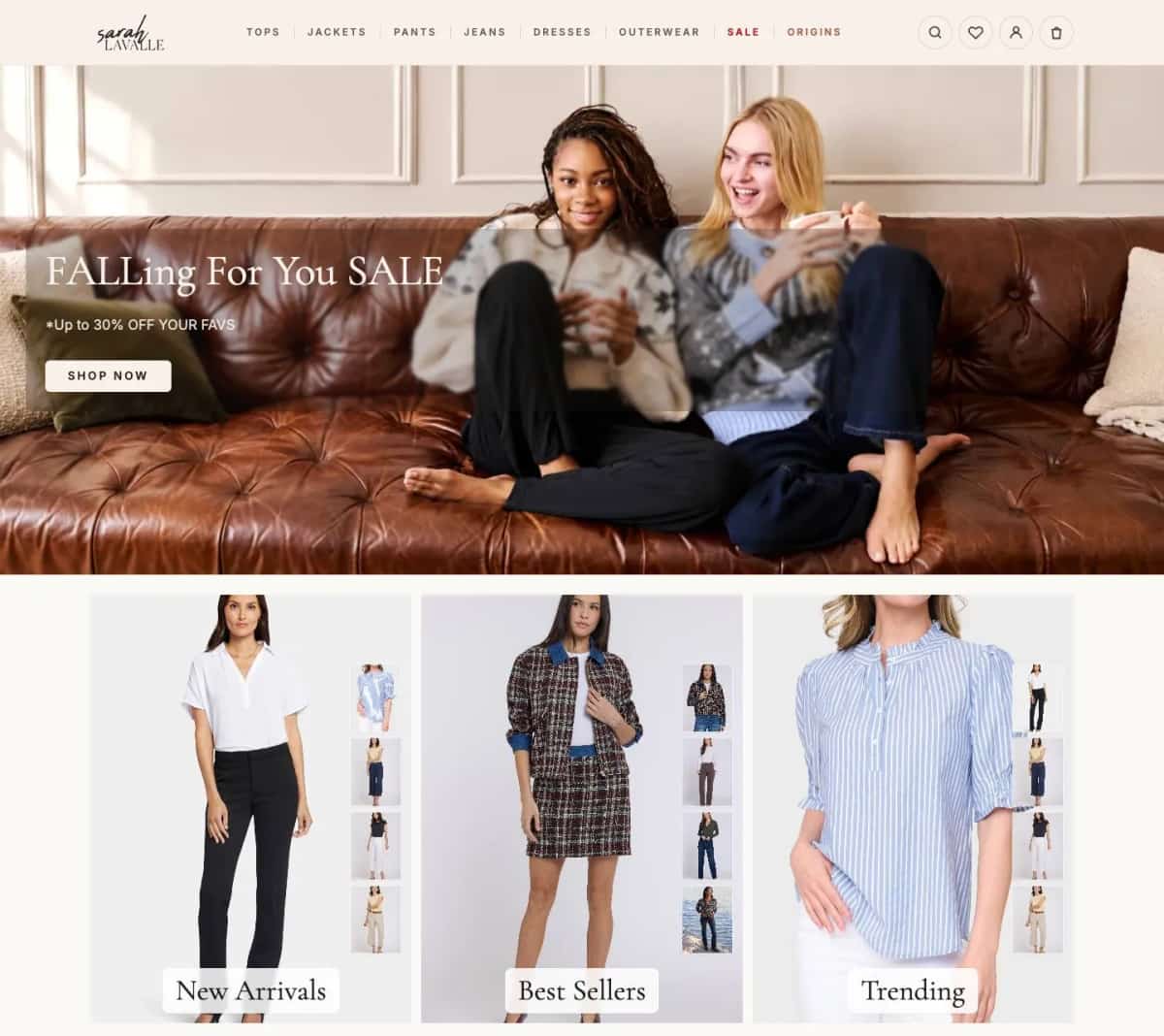
Sarah LaValle: AI search, sizing, styling and try-on on a Medusa.js store
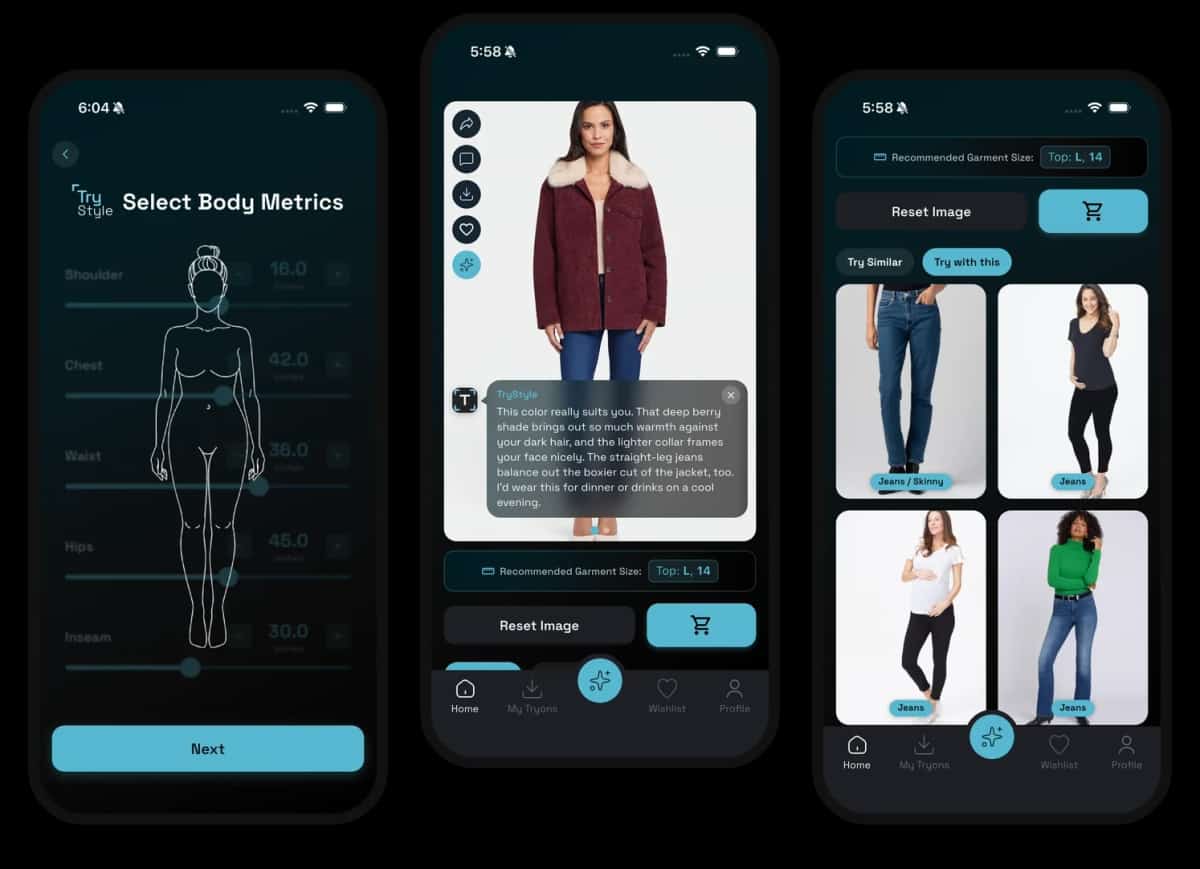
We moved the Sarah LaValle women's fashion store from WooCommerce to Medusa.js, then built AI into each step of shopping. Shoppers find styles with AI search, see similar styles on each product page, get size advice and outfit suggestions from a styling assistant, and try pieces on from a photo with Try Style. Product descriptions are drafted with AI, so new stock reaches the store faster.
Retailer connections, with inventory that updates itself
eCommerce AI features we build
Each feature runs on your catalogue and plugs into the store you already have. Start with the one closest to your biggest drop-off.
AI product search
Semantic search understands colours, styles and occasions typed in plain words, running on Algolia, Elasticsearch, Typesense or a vector database.
Product recommendations
We show similar styles on product pages, complete-the-look sets and personalised home-page rows, built from your catalogue and browsing data.
See AI recommendation enginesSize advice
Fit suggestions from garment measurements, the shopper's own inputs and past return reasons, shown beside the size picker.
Styling and shopping assistants
A chat assistant that suggests pieces that go together and answers fit, delivery and returns questions from your catalogue and help pages.
AI product descriptions
Titles, descriptions and attributes drafted from product photos and supplier data, then edited by your merchandisers before they go live.
See multimodal AI developmentVirtual try-on
Shoppers upload a photo and see a garment on themselves, using the try-on engine from our Try Style build.
Read the Try Style case studyNot sure which AI feature to start with?
Bring your platform, your catalogue size and the step where shoppers drop off. We will tell you which feature to build first and what it costs.
Why retail AI features disappoint after launch
Search misses plain words
A shopper types "red work dress" and keyword search returns nothing because the catalogue says "crimson shift". Semantic search matches meaning, and typo tolerance catches the rest.
Recommendations repeat the bestsellers
Generic widgets push the same top sellers to everyone, so the slot earns little. Recommendations use the product in view and the shopper's browsing, measured against what the slot sells today.
Size charts leave shoppers guessing
Unsure shoppers order two sizes and send one back. Size advice uses garment measurements and shopper inputs, and try-on shows the piece on their own photo.
Features ship without a baseline
Nobody recorded the search exit rate or add-to-cart rate before launch, so nobody knows whether the feature paid back. Each feature launches against a baseline metric agreed in discovery.
How we add retail AI to a live store
Your store keeps taking orders while AI features go in, and each one has to prove itself against the current experience.
Tested on a share of traffic
Each AI feature goes to a share of shoppers first and is compared with the current store on conversion, search exit rate or returns.
Catalogue and stock as the source
Search, recommendations and the assistant read from the live catalogue and stock levels, so they skip sold-out sizes.
Merchandiser review for generated copy
AI descriptions land as drafts in your admin, and a merchandiser edits and publishes them.
Published platform APIs
Features connect to Shopify and Adobe Commerce through their published APIs, and to Medusa.js or a custom store directly, so checkout stays as it is.

From catalogue review to a tested AI feature
A proof of concept for one feature takes 3 to 4 weeks. The production timeline depends on your platform and catalogue and is set in discovery.
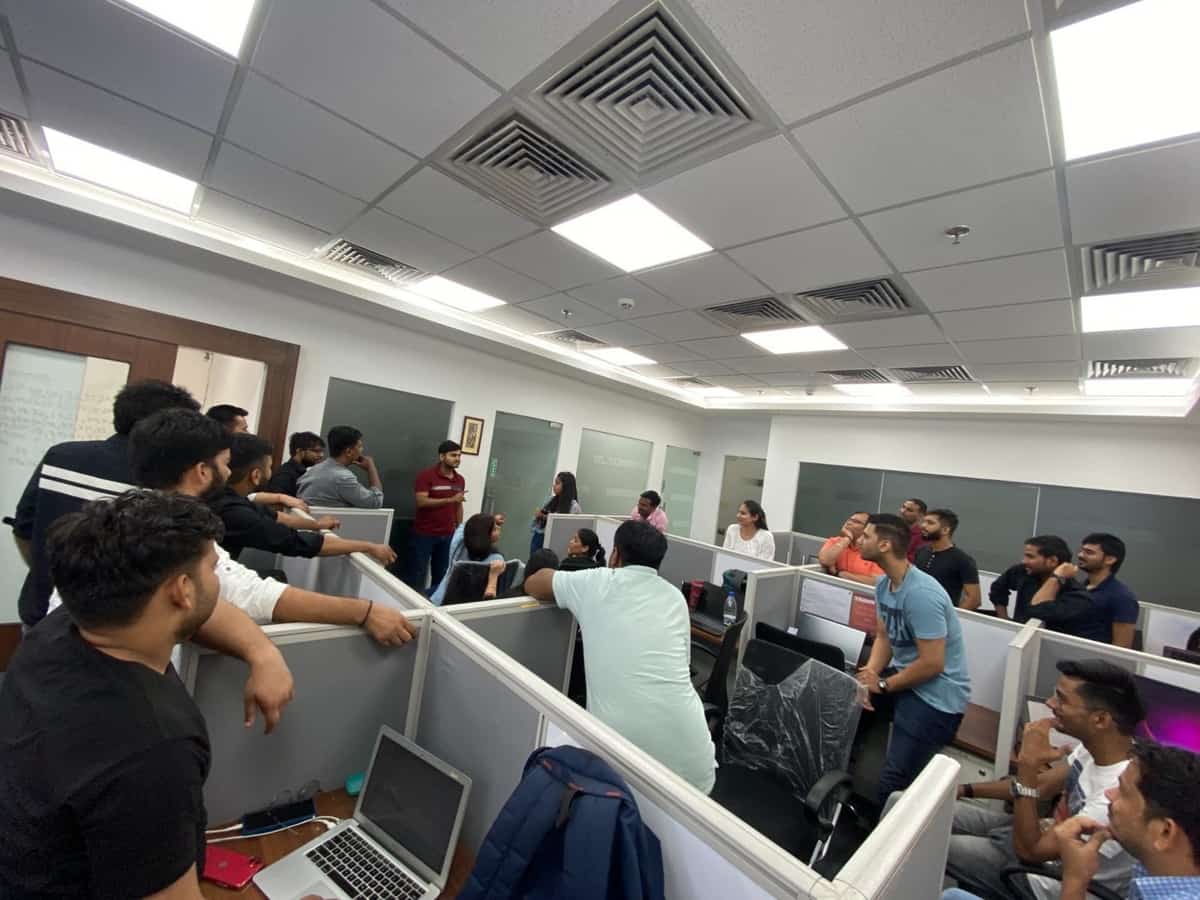
One team, 14 years of shipping
projects shipped since 2012
AI systems running in production
clients across 45+ countries
years building software, since 2012
Rated 4.8/5 by the clients we build for
Verified reviews from Clutch and GoodFirms, and clients on camera.

33 verified reviews on Clutch

 Clutch review★★★★★
“The most impressive aspect of working with ScalaCode is their genuine dedication.”
Clutch review★★★★★“Their team often proposed innovative features we hadn't considered.”
Clutch review★★★★★“What sets ScalaCode apart is their technical AI expertise and an understanding of a client's organizational ethos.”
 GoodFirms review★★★★★
“They built a high-performance, AI-powered platform that transformed video engagement for learning.”
Clutch review★★★★★“What stood out to us as most impressive and unique about ScalaCode was their ability to humanize complex AI.”
Clutch review★★★★★“They gave us clear timelines and met them.”
GoodFirms review★★★★★“Working with ScalaCode was a fantastic experience, marked by their expertise and support.”
AI in retail FAQs
We will answer any other question on the call.
How much does AI for an eCommerce store cost?
The discovery sprint is free and ends in a written proposal with a fixed quote. A proof of concept for one AI feature starts at $4,999, and dedicated engineers start at $1,799 a month. The production build is quoted after discovery, once the platform, catalogue size and integrations are known.
Will AI recommendations increase our sales?
That depends on your traffic, catalogue and current merchandising, so we measure it. Each recommendation slot goes to a share of shoppers and is compared with what the store shows today on revenue per session and add-to-cart rate. If it does not beat the baseline, we change it or take it out.
Can you add AI search and recommendations to Shopify?
Yes. We add AI features to Shopify and Adobe Commerce through their published APIs, and to Medusa.js and custom stores directly. The store keeps its theme and checkout, and the AI service runs alongside it.
How does virtual try-on work?
The shopper uploads one photo and enters their height. 3D body models estimate their measurements and pick a size from the retailer's chart, then a diffusion model renders the garment on the shopper's own body. We built the Try Style platform, and the Sarah LaValle store runs it.
Can AI write our product descriptions?
Yes, as drafts. Titles, descriptions and attributes are generated from product photos and supplier data, then a merchandiser edits and publishes them in your admin. Sarah LaValle uses AI-drafted descriptions so new stock reaches the store faster.
Is an AI shopping assistant worth it for a small catalogue?
For a catalogue of a few hundred products, good search and filters usually do more than an assistant. Assistants earn their place when shoppers ask fit, styling or compatibility questions that filters cannot answer. We will tell you which applies to your store on the strategy call.
What data do you need to start?
A catalogue export with attributes and images, search logs and order history are enough for search and recommendations. Size advice also needs garment measurements and return reasons. Discovery shows what is missing and how to fill the gap.
Who owns the models and code?
You do. Code, configuration and trained models belong to you under the IP assignment in the master agreement, and NDAs are standard.
They understood the business side of our requirements and often brought up solutions or ideas we hadn't considered.
Scope your retail AI feature in 30 minutes
- Which AI feature to build first for your catalogue and traffic
- Platform, data and timeline covered up front
- Free, with no obligation to build with us