
AI recommendation engine development measured against sales
ScalaCode builds AI recommendation engines for eCommerce, media and SaaS products, trained on your behaviour and catalog data. Each recommendation system development project ships behind an A/B test, so you see its effect on conversion and order value against your current setup before a full rollout.
AI systems running in production
projects shipped since 2012
clients served since 2012
on Clutch, from 33 verified reviews
countries with live clients
9001:2015 certified delivery process
Trusted by teams at







Clutch 4.8/5Verified client reviews

GoodFirmsReviewed software partner
ISO 9001:2015Certified delivery process
GDPR compliantData handled under EU rules
What an AI recommendation engine does
A recommendation engine pulls a few hundred likely items from the whole catalog, then ranks them for the person on the page. Both steps have to finish before the page loads.
- What is an AI recommendation engine?
- An AI recommendation engine is software that predicts which products, content or offers each user is most likely to want, using their behaviour, item attributes and patterns learned across all users. It retrieves candidates from the catalog, ranks them with a model, applies business rules such as stock and margin, and serves the result in real time.
Related: Machine learning development covers the models behind ranking. AI applications lists the other AI products we build.
Platform widgets, a SaaS tool or a custom engine
Many stores should start with the recommendations their eCommerce platform or a SaaS vendor provides. A custom engine pays off when your catalog, signals or business rules are specific enough that a generic model misses sales.
| Built-in platform widget | Recommendation SaaS | Custom recommendation engine | |
|---|---|---|---|
| What you get | Bestseller and related-item blocks | Hosted personalization tuned through a dashboard | Models trained on your own signals, rules and catalog |
| Pick it when | Traffic is modest and the catalog is small | You want personalization quickly without an ML team | Recommendations drive a large share of revenue or engagement |
| Signals used | Items bought together | Clicks and orders the vendor's script collects | Any signal you hold, such as returns, search, CRM and stock |
| Control over ranking | Fixed by the platform | The rules and weights the vendor exposes | Your own objectives, such as margin, stock and variety |
| Data and ownership | Inside the platform | Behaviour data sits with the vendor | Models, code and data stay in your cloud |
The model work behind ranking is covered under machine learning development.
Recommendation system development we deliver
Each engine includes data pipelines, candidate retrieval, a ranking model, business rules and an A/B test, wired into the pages and channels where customers decide.
Product recommendation engine
Our product recommendation engine covers home, category, product and cart pages, with cross-sell and bundle suggestions that respect stock and margin rules.
Personalized search ranking
The same query ranked differently per shopper, combining keyword search, vector retrieval and a learning-to-rank model that reads each user's signals.
Content and feed recommendations
We rank video, articles, courses or posts with session-based models that pick up intent from what a user is doing right now, a common need in media and entertainment.
Personalization AI for new visitors
Personalization AI serves guests and first-time visitors with no history, using session behaviour and item attributes.
Similar and complementary items
Embeddings over product images and descriptions find look-alike items, and rules or graphs cover items that are bought together.
Email and push recommendations
The same models that serve your site generate personalized product blocks for abandoned cart, replenishment and newsletter sends.
Next best action for SaaS and B2B
We suggest features, templates and offers inside a SaaS product, or build next-best-offer lists for account managers and sales teams.
A/B testing and measurement
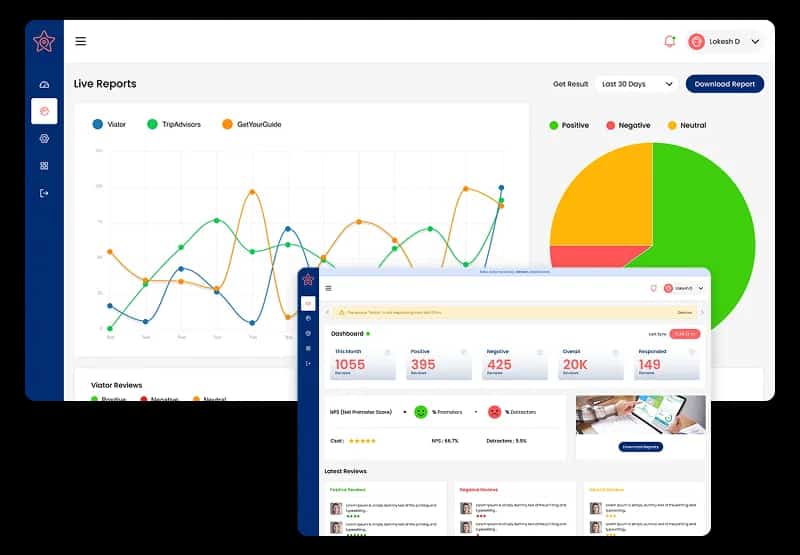
Every model change ships behind an experiment, with conversion, order value and revenue per session tracked against a control group.
Monitoring and retraining
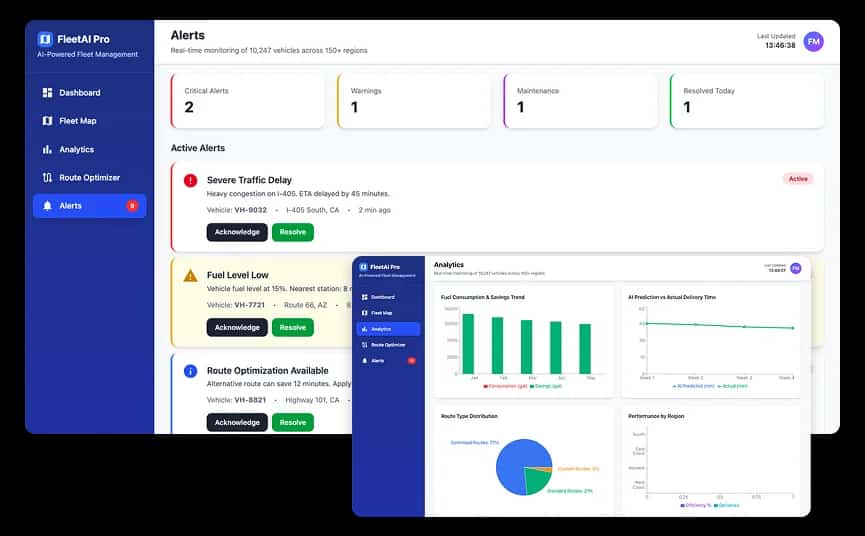
Dashboards track click-through, conversion and catalog coverage, and each retrained model runs a shadow comparison before it goes live.
Still running bestseller lists and manual merchandising rules
Bring the pages where you show recommendations today, your traffic and where click and order data lives. In 30 minutes the ScalaCode team will tell you where personalization is likely to pay back and what the first test costs.
Four patterns we ship in every recommendation engine
Recommendation engines usually fall short on cold start, slow serving and changes nobody measured, so these patterns go in from the first release.
Retrieve, then rank
A fast retrieval step pulls a few hundred candidates from the whole catalog, and a ranking model orders them for the user. Business rules run last.
Fallbacks for new users and new items
Guests get session-based and popular results, and new products are ranked from their attributes and images until they collect clicks and sales.
Every change behind an A/B test
A new model serves a share of traffic against the current one, and it takes over only when conversion or revenue per session holds up.
Business rules after the model
Stock, margin, brand and variety rules run after ranking, so merchandisers can change them without retraining anything.
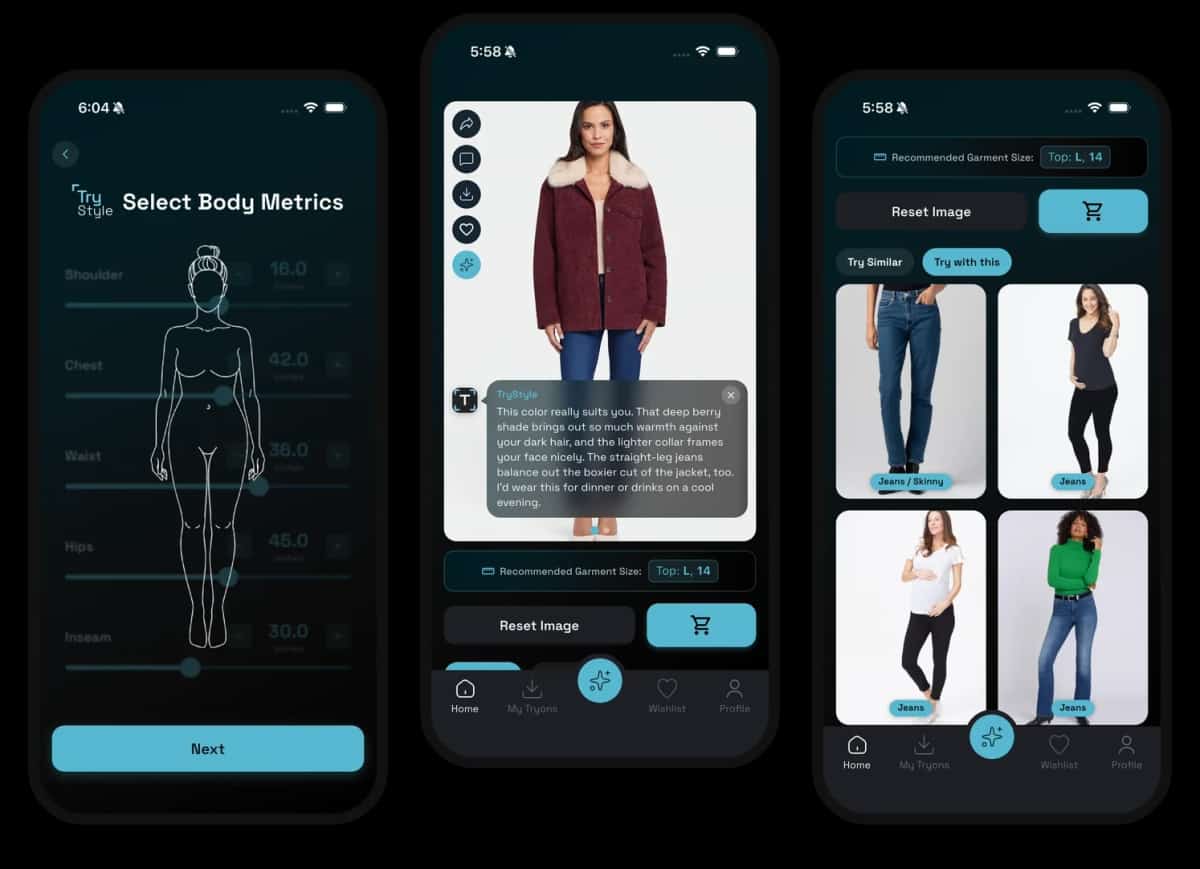
Try Style: size recommendations from one photo
3D body models estimate the shopper's body from one photo and their height, a correction step refines the measurements, and the size is matched to each retailer's chart. The recommended size goes straight into the cart, next to a photorealistic try-on of the garment.
Matched to each retailer's own size chart
How we build and test recommendations
A first model scored offline on your history takes 3 to 4 weeks as a proof of concept. The production engine with serving, an A/B test and monitoring is planned after it beats your current recommendations.

One team, 14 years of shipping
projects shipped since 2012
AI systems running in production
clients across 45+ countries
years building software, since 2012
Personalization that follows your consent rules
Recommendation engines run on behaviour data, so consent, retention and access rules are written into the scope during discovery.
Your data, your cloud
Training and serving run in your cloud account, and the code and trained models are yours from the first commit. NDAs are standard.
GDPR and consent
GDPR requirements and your consent settings are written into the scope during discovery, so the engine uses only the signals users agreed to.
Sensitive fields redacted
Access controls carry through, and personal fields can be redacted or left out of training sets.
Rules your team controls
Pinned products, exclusions and brand rules sit outside the model, so your merchandisers can change them without a new release.
Frameworks and platforms we work with
We fit the stack to the commerce platform, data warehouse and cloud you already run.
Personalization AI by industry
Recommendations pay back where catalogs are large, visits repeat and each choice shows up as a click, a sale or a watch.
Retail and eCommerce
- Product and cart recommendations
- Personalized search
Media and streaming
- Watch-next ranking
- Personalized home feeds
News and publishing
- Article recommendations
- Newsletter personalization
SaaS platforms
- Feature and template suggestions
- Next best action
Education
- Course recommendations
- Next lesson suggestions
Travel
- Hotel and package ranking
- Add-on offers
Financial services
- Next best offer
- Product cross-sell
Marketplaces
- Buyer and seller matching
- Listing ranking
AI recommendation engine cost
The discovery sprint is free and ends in a written proposal with a fixed quote. A recommendation proof of concept on your historical data starts at $4,999 and takes 3 to 4 weeks.

Discovery sprint
1 to 2 weeks and free, ending in a written proposal with a fixed quote. A signal and catalog audit, an offline baseline, a go or no-go and a build plan.
Best for teams unsure whether their traffic and data support personalization.
Proof of concept, then build
A first model from $4,999 in 3 to 4 weeks, scored offline against your current recommendations. If it wins, the production build and first A/B test are planned from those results.
Best for one placement, such as product pages, with a clear owner.

Dedicated ML team
ML and data engineers inside your process from $1,799 a month per engineer. You interview and choose who joins.
Best for a personalization roadmap across many pages and channels.
Rated 4.8/5 by the clients we build for
Verified reviews from Clutch and GoodFirms, and clients on camera.
33 verified reviews on Clutch
 Clutch review★★★★★
“Their team often proposed innovative features we hadn't considered.”
Clutch review★★★★★“The most impressive aspect of working with ScalaCode is their genuine dedication.”
Clutch review★★★★★“What sets ScalaCode apart is their technical AI expertise and an understanding of a client's organizational ethos.”
Clutch review★★★★★“They didn't just build an algorithm; they built a tool that respects the nuances of Indigenous reconciliation.”
 GoodFirms review★★★★★
“They built a high-performance, AI-powered platform that transformed video engagement for learning.”
Clutch review★★★★★“What stood out to us as most impressive and unique about ScalaCode was their ability to humanize complex AI.”
Clutch review★★★★★“They managed to balance technical skill with an understanding of the marketing world.”
AI recommendation engine FAQs
We will answer anything not covered here on the call.
How much data do we need for recommendations?
It depends more on how often users come back than on a fixed number of rows. A store with steady repeat traffic can train behaviour models on its click and order history, while a small catalog or low traffic starts with content-based and popularity models. The audit in discovery tells you which applies to you.
How do you handle new users and new products?
New visitors get session-based results that learn from what they view in the current visit, plus popular items for their context. New products are ranked from their attributes, descriptions and images until they collect clicks and sales of their own.
How do you measure whether recommendations work?
With an A/B test against a control group, measured on conversion, average order value and revenue per session, or on watch time and retention for content products. Offline metrics guide model choice before launch, and the live test decides what ships.
Can recommendations run on our eCommerce platform?
Yes. The engine runs as an API that your storefront, app or email tool calls, so it works with hosted platforms such as Shopify and Adobe Commerce through their published APIs, and with headless or custom storefronts. Product and order data is read from the platform or your warehouse. Search, try-on and other store features are covered under AI for retail. The storefront side is covered under eCommerce development.
How much does a recommendation engine cost?
The discovery sprint is free and ends in a written proposal with a fixed quote. A proof of concept on your historical data starts at $4,999, and a dedicated ML engineer starts at $1,799 a month. The production build is quoted after discovery, because the number of placements, data sources and integrations set the final figure.
How long does it take to launch?
A proof of concept scored on your historical data takes 3 to 4 weeks, after a 1 to 2 week discovery sprint. The schedule for a production engine on its first placement, with serving, an A/B test and monitoring, is fixed after the proof of concept, and AI coding agents help our engineers build it faster.
Should we use a SaaS recommendation tool instead?
A SaaS tool is often the better start when your catalog is small and the vendor's standard blocks fit your pages. A custom engine pays off when recommendations drive a large share of revenue, when you hold signals the vendor cannot see, or when ranking has to follow your own margin and stock rules.
Who owns the models and the data?
You do. The code, pipelines, trained models and test results are yours from the first commit, NDAs are standard, and the engine runs in your cloud account. You can also hire ML engineers to keep improving it in-house.
One team, matched to your working hours
We schedule 4 to 6 hours of daily overlap with US time and a full working day with the UK and Europe, so reviews, demos and fixes happen during your working hours.
They built a high-performance, AI-powered platform that transformed video engagement for learning.
Find out what personalization would add to your sales
- 30 minutes with the ScalaCode team
- Which pages and channels to personalize first
- What is realistic, what it costs and how long it takes

“Their approach, dedication and project execution played a critical role in TipStars' success.”
James Ellis, Founder, TipStars