
Are you also fascinated with AI-enabled virtual fitness apps? Well, if not, then after reading this blog you’ll see how you can grow your business with these apps.
The fitness sector has undergone a lot of change in the past few years. All those morning walks to the gym or studio that seemed mundane are now things of the past. Virtual classes have transformed the way we think of health and wellness regarding the benefits provided through technology, particularly with the aid of AI.
This blog discusses how AI is changing the landscape of fitness, what’s in it for you, and how companies like ScalaCode can help you create your very own AI-enabled fitness app.
Understanding AI in Fitness
Artificial Intelligence, AI for short, refers to a set of technologies that create the ability to simulate human intelligence. This way, these systems can take in data, learn from it, and make decisions thereafter based on what has been learned.
AI-enabled virtual fitness apps enhance workout experiences with smarter, more interactive ones. This occurs through the analysis of user data, whereby AI provides personalized recommendations to users, helps track the growth of such users, and sometimes enhances the overall participation of the said individuals in fitness classes.
Top Benefits for Businesses in Building AI-Driven Fitness Apps
With the fitness landscape evolving, AI-powered fitness apps are fast emerging as extremely valuable tools for businesses looking to innovate and grow. Here are seven distinct benefits that propel your fitness app through success:
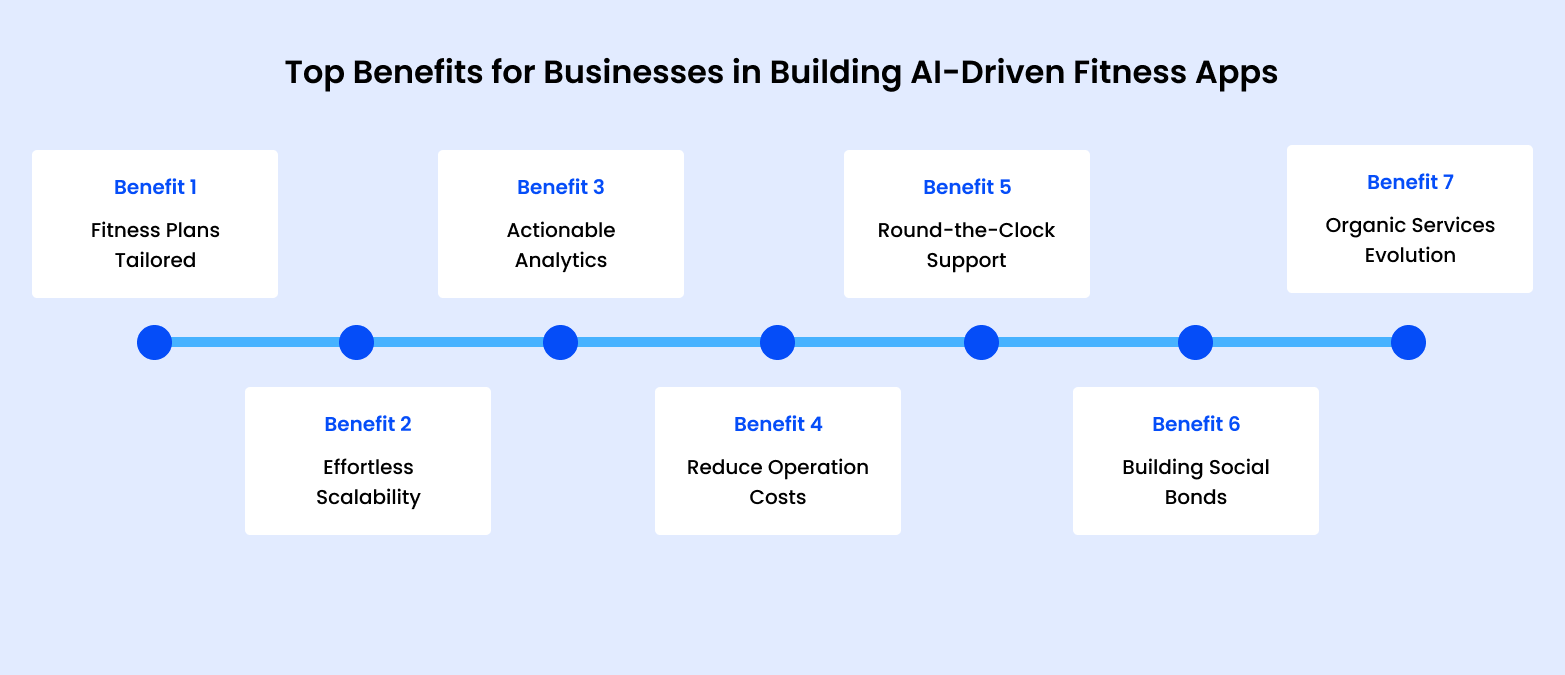
1. Fitness Plans Tailored
AI technology allows for a quite customized fitness program. By analyzing individual user data, such as previous workout history and physical capabilities, as well as specific goals set by the user, these apps can create bespoke training regimens. This not only means users attain better results but that they are more likely to bond with the app deeply since users feel that a unique need is being met..
2. Effortless Scalability
Another significant advantage of AI-based solutions is that they are easy to scale. Unlike the traditional gym or training session, where the number of people and space is a limiting factor, an AI app can host a theoretically unlimited number of users.
This allows businesses to expand their reach without the bureaucracy that comes with hiring more employees or managing logistics. Thus further increasing the revenues possible.
3. Actionable Analytics
The beauty of data is that it forms an excellent asset, and AI goes very well in extracting the most valuable insights from it. In this regard, fitness applications are able to track user engagements and workout preferences over time.
This would enable data analysis for a business to understand behavior much more vividly by allowing better decision-making regarding product offerings, marketing strategies, and feature enhancements according to the user’s interest.
4. Reduce Operation Costs
Automation of key fitness coaching operations will indeed also allow AI apps to reduce operational costs significantly. When users get guidance and support from an intelligent system, the demand for a large team of trainers decreases.
The money saved through operational costs can be invested in technology development or better customer service, which makes them more competitive in the market.
5. Round-the-Clock Support
Flexibility is a basic requirement of modern users, and AI-driven fitness apps give access at any time to workout plans, advice, and community interactions.
Users may log in freely according to their schedule, fitting into their busy lives without having to be confined by the traditional gym hours. Convenience breeds engagement and loyalty, especially since a user can work out at whatever time is convenient for them.
6. Building Social Bonds
AI can implement social features that could get and interact with the users. Supporting leaderboards, group challenges, and personal shout-outs, fosters the sense of community.
Users are likely to stick there and share experiences with friends and family, driving organic growth through word of mouth and social sharing.+
7. Organic Services Evolution
Essentially, what makes an AI powerful is the potential for learning and upgrading. With the passage of time, in light of what users like or dislike, along with their general behavioral patterns, the app will fine-tune its suggestions.
That would make something continually relevant and innovative, hence new features and workouts that do help them stay motivated and engaged, which are very important for retention over the long run.
Types of AI-Powered Virtual Fitness Apps
Here are a lot of different types of AI-enabled virtual fitness apps to improve user experience and effectiveness:
1. Personal Training Apps
These are customized apps designed to provide the user with specific workout routines with real-time feedback. Based on a cluster of user data, they will come up with tailored routines that shift over time depending on improvements and performance. Video demos, AI personal trainers giving advice, and adjusting the intensity according to user feedback may feature among the options.
2. Group Fitness Platforms
AI can even provide virtual group classes. Thus, a user can attend live or on-demand classes. Most of these apps include lively features, like leaderboards and community chat rooms, that boost a sense of friendship. A good AI could also analyze the progress of participants and recommend changes to the group so that it will really blossom into its full glory.
3. Yoga and Mindfulness Apps
Providing physical fitness combined with mental well-being, these yoga apps feature guided classes in yoga, meditation, and mindfulness. AI can create practices tailored to user stress levels, goals, and preferences. Some even incorporate biometric data to alter the intensity or style of the session dynamically.
4. Nutrition and Meal Planning Apps
Though nutrition-focused, such applications complement workout routines by using AI to analyze food-related behaviors and provide a personalized meal plan in correlation to one’s desired fitness goals. Some of them even offer recipes, calorie intake tracking, and even grocery lists tailored to specific taste preferences in a seamless fusion of healthy living.
5. Gamified Fitness Apps
These fitness apps transform exercise into games of fun challenges and incentives. AI can leverage customized challenges based on the user’s skill level and preference to engage people through workable exercises with incentives if consistent practice is achieved. Common features include tracking and achievements as well as sharing on social media.
6. Wearable Device Integration
Many AI fitness apps also interface with wearable technology, so users can upload their activity, heart rate, and calories burned for performance right in real time. The app feeds this data back to the user for tailored feedback and instructs the workout in terms of how the user is feeling and performing.
All of these types of AI-powered fitness applications target different areas to be fit and healthy, thereby giving the users several options that vary according to the individual’s needs and preferences. This versatility goes on to result in furthering user engagement and satisfaction, along with better health and wellness outcomes.
Must-Have Features for Your AI Fitness App
To create a competitive and user-friendly AI fitness app, consider these must-have features:
1. Personalized Workout Plans
Individualized Workout Plans: The AI algorithm enables applications to come up with personalized workout routines for the user based on their data, fitness level, and particular goals, offering a unique experience each time the user undergoes one.
2. Immediate Feedback
Features of the application should provide corrective measures and suggestions on the spot during the workout. This would involve video or motion tracking to improve your form and the effectiveness of the workout.
3. Progress Monitoring
Users should be allowed to monitor their time-scale progression by tracking all the significant metrics, such as weight lifted, calories burned, and general consistency of workouts, keeping them motivated.
4. Nutrition Counseling
Rather than giving the users one-size-fits-all meal plans and nutrition counseling, the app should guide them on diets that are personalized based on their fitness goals while they are working towards health and wellness.
5. Community Features
Social interaction elements, such as leaderboards, group challenges, and chat rooms, encourage users to interact with each other to strengthen the community feeling that promotes engagement and motivation.
6. Integration with Wearables
This connects wearables with popular fitness trackers and smartwatches, allowing the software system to collect biometric data for easy health metrics tracking for users.
7. Gamification Elements
Add challenges, rewards, and achievements to engage the users and keep them motivated. Exercise can be made more rewarding and enjoyable to do.
8. The User-Friendly Interface
The design should be intuitive and easy to navigate to keep users from getting sidetracked and instead end up focusing on their fitness journey.
Examples of Popular AI-driven Fitness Apps You Must Know
Now, you know the benefits and types of fitness apps, here are some apps you can take inspiration from. You just need to hire remote developers in India and can get such apps:
1. FitnessAI
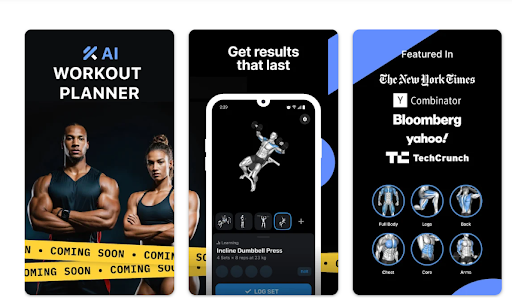
FitnessAI is a smart workout app for iPhone that generates custom exercise plans for you. What’s special about this one is that it learns from millions of real workouts. Yes, 5.9 million it can suggest the perfect number of sets, reps, and weights to fit your exercises. The app adjusts these numbers every time you work out to help you improve. You could have a very wise gym buddy who recognizes your lifting power.
2. Exer.ai
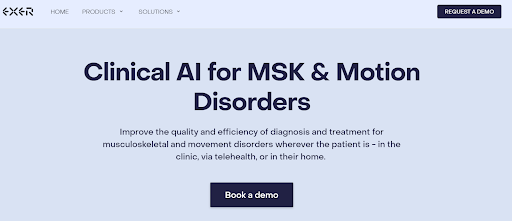
Exer.ai is kind of like having a digital trainer. They see how you move through the camera of your phone and can check in on you to see if you are doing your exercises properly, alerting you in real-time how to correct your form. This cuts down the chance of injury and does indeed make sure you’re getting the most out of the workouts. It’s really helpful when working out at home not really having a live trainer to stop you from doing things incorrectly.
3. PlanFit
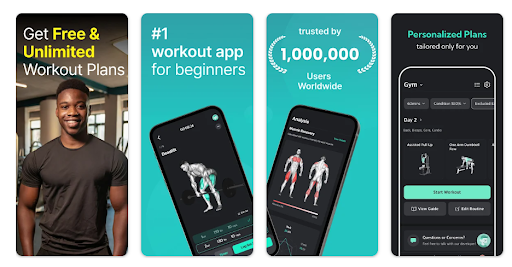
PlanFit is an AI-fitness workout planner that simplifies how one gets fit. Just like a personal trainer, it provides you with workout plans that work with your goal and fitness. It has the ability to change your workout sessions depending on how far you have progressed and the schedule at hand, giving you a feel of being in possession of a personal trainer in your pocket.
4. Gimfitty

Gimfitty app applies the power of Artificial Intelligence in designing a workout routine for you. Simplicity is consciously used in developing this application so that you are not confused but rather kept on track in your fitness journey.
The application takes into consideration your experience level, equipment available, as well as specific fitness goals while generating your workout routine. It allows the power of an intelligent fitness assistant that helps you plan sessions at the gym without involving confusing functionalities that you have to figure out.
Major Hurdles in Crafting AI-Based Fitness Applications
With the introduction of artificial intelligence into fitness apps, there has been a wonderful revolution in the way people interact with health and wellness applications.
Such a discovery states that the production of these apps comes with extremely challenging difficulties that have to be handled with great care by developers and companies. These are the five main difficulties faced in designing AI-based fitness applications:
1. Reliability of Movement Recognition and Form Correction
One of the most significant challenges arises from the development of AI systems that can detect and interpret patterns of human movement. It is very important for applications focused on the real-time correction of forms and exercise guidance. The problem is challenging because:
- No single model will work like a one-size-fits-all model for movement analysis.
- Environmental factors such as illumination camera angles and space/area conditions may affect the precision of movement detection.
- Different exercise types and individual adaptations should also be considered without compromising the safety criteria.
- Given the processing in real-time, the AI has to make split-second choices on how to correct the form.
For example, when someone squats, the AI needs to track many body points at one time, define the relationship of the body points, compare them with ideal parameters regarding form, and give real-time feedback, all this under consideration for the user’s individual physiology and limitations.
2. Data Privacy and Security Compliance
Since health and fitness data is primarily considered to be proprietary information and qualifies for a number of stringent regulations, managing this aspect of AI fitness applications becomes an important aspect that a fitness app development company cannot ignore. Considerations involved:
- This software application requires compliance with various international laws on the protection of health data, such as HIPAA, GDPR, and so on
- The secure storage and transmission of sensitive biometric data
- User consent management related to the collection and training of AI
- The balance between the benefits of personalization and concerns with privacy.
For instance, though minute-by-minute workout details to enhance AI suggestions are collected, this has to be considered versus privacy issues and even legal mandates. All applications must employ robust encryption, safe data transmission protocols, sound mechanisms of consent, and clarity of usage of the data being collected.
3. Personalization and Adaptation Capabilities
Crucially, creating AI systems that are really able to personalize fitness to every user’s changing requirements is no easy feat. Such AI systems must also make allowances for factors that make every user’s fitness journey different.
- Process a multitude of data points like the level of fitness, medical history, goals, and preferences.
- Adjust workout plans based on progress, recovery, and changing circumstances.
- Managing user motivation and engagement by personalizing interactions
- Accounting for extrinsic factors such as the readiness of equipment, time constraints, and environment.
The system must be developed to a level that can admit the reality that when a user has perpetually failed at certain exercises, then it should modify beyond the level of difficulty but maybe even propose alternative exercises that work for the same muscle group as those exercises but are more suitable for the skills of the user.
4. Technical Implementation and Performance
The installation of AI capabilities without letting the app get quite smooth regarding its performance is a very sensitive balancing act. The challenge comes with delivering sophisticated AI features without having end-users tolerate underperformance and forcing excessive battery drain. Some of the issues that are critical are:
- Optimizing the AI models for mobile devices characterized by very limited processing capabilities
- Controlling battery consumption while running continuous monitoring
- Provide reliable performance across a variety of device specifications
- Remain functional if an offline scenario is encountered
5. Interoperability with Devices and Systems
Modern applications of fitness need to interface with numerous different devices and systems, making it a gargantuan integration challenge for developers. It encompasses:
- Compatibility with numerous wearable devices and activity trackers
- Interoperability with health ecosystems, including Apple Health, Google Fit, etc.
- Standardization of data across multiple sources
- Real-time synchronization with multiple devices
The artificial intelligence system will interpret and normalize data from various sources for example, heart rate data that might be taken from different brands of smartwatches, with which different data formats and different accuracy levels for the kind of data might be involved. Here, the standardization has to be done in such a way that no accuracy is compromised while doing analysis or giving recommendations.
Cost to Build a Virtual Fitness App
Developing a virtual fitness app has various factors that can influence the general cost. Here’s a breakdown of the potential expenses you might encounter:
| Cost Component | Estimated Cost Range |
| Basic Features | $20,000, $50,000 |
| Advanced Features | $50,000, $100,000 |
| Wearable Device Integration | $10,000, $30,000 |
| Ongoing Maintenance (Annual) | 15-20% of Initial cost |
| Development Team (Location Impact) | Varies significantly |
| Total Estimated Cost | $20,000, $100,000+ |
The Future of AI in Fitness
The future of AI in the fitness world is bright, changing people’s perceptions of health and wellness. Advanced algorithms will give personalized workout plans and nutritional advice that will automatically change in real-time to user progress and preferences.
Wearable technology with AI integrated into the device will monitor biometrics and keep users informed about recovery and performance while helping avoid injury.
Virtual trainers who use AI will provide immersive, interactive experiences to make exercising more interesting and accessible anywhere. AI-driven analytics will also allow fitness professionals to customize their group classes.
According to a report, the fitness mobile apps market is supposed to generate revenue of $6.86B in 2024. With an expected yearly growth rate of 7.96%, the market is supposed to reach $10.06B by 2029.

Explore More: Top AI Development Companies
ScalaCode: The Partner in Building a Fitness App Powered with AI
If you are thinking about developing an AI-powered fitness application, then here’s ScalaCode to the rescue. Combining app development experience with deep knowledge in technology, including AI, ScalaCode provides end-to-end solutions that work in tune with your requirements.
As a trusted fitness app development company in India, ScalaCode can develop a custom fitness app with the integration of AI functionalities. You may require customized workout plans, real-time feedback, or user engagement tools; we can provide you with the desired customized solution that you actually need. Moreover, iWebServices respect and understand the privacy facet. We are further adopting robust security practices that ensure users’ data is protected from any malice.
Final Thoughts
AI-enabled virtual fitness apps add new dimensions to working out. Personalized, accessible, and more engaging, AI-powered virtual fitness classes can help in making fitness more enjoyable and effective for people. On the other hand, there are technology barriers, changing privacy perspectives, and making human connections.
To companies looking to take advantage of this movement, teaming up with a seasoned AI development company such as ScalaCode can unlock the chance to develop a top-of-the-line AI-enabled fitness app. This technology not only helps to improve the user experience but also proclaims a brand as an industry leader in such a high-powered playing field for fitness activity.
Based on AI, you can support a user’s fitness goals while building a healthy, thriving community dedicated to physical fitness. Welcome to the future of fitness-getting fit with who you are.
FAQs- AI in Fitness App
-
How can I benefit from the usage of AI in my workout routine?
AI will be able to come up with a workout schedule depending on your fitness level, objectives, and preferences. It learns from your performance day by day and adjusts things accordingly so that you remain challenged and motivated.
-
Are AI-based fitness apps suitable for beginners?
Absolutely! AI-based fitness apps are suitable for all levels or even beginner levels. They also offer guided workouts, instructional videos, and many more to make sure one knows the proper techniques and feels confident about their fitness journey.
-
What security do AI fitness applications implement when collecting data for users?
AI fitness applications usually rely on the use of robust encryption and secure data transmission to fully comply with privacy laws such as HIPAA and GDPR when handling sensitive information from users.